Vietnam
Vietnam Coffee Industry Races for EU Green Passport Compliance
As the EU tightens regulations on deforestation, Vietnamese coffee producers are adapting to secure their market access.
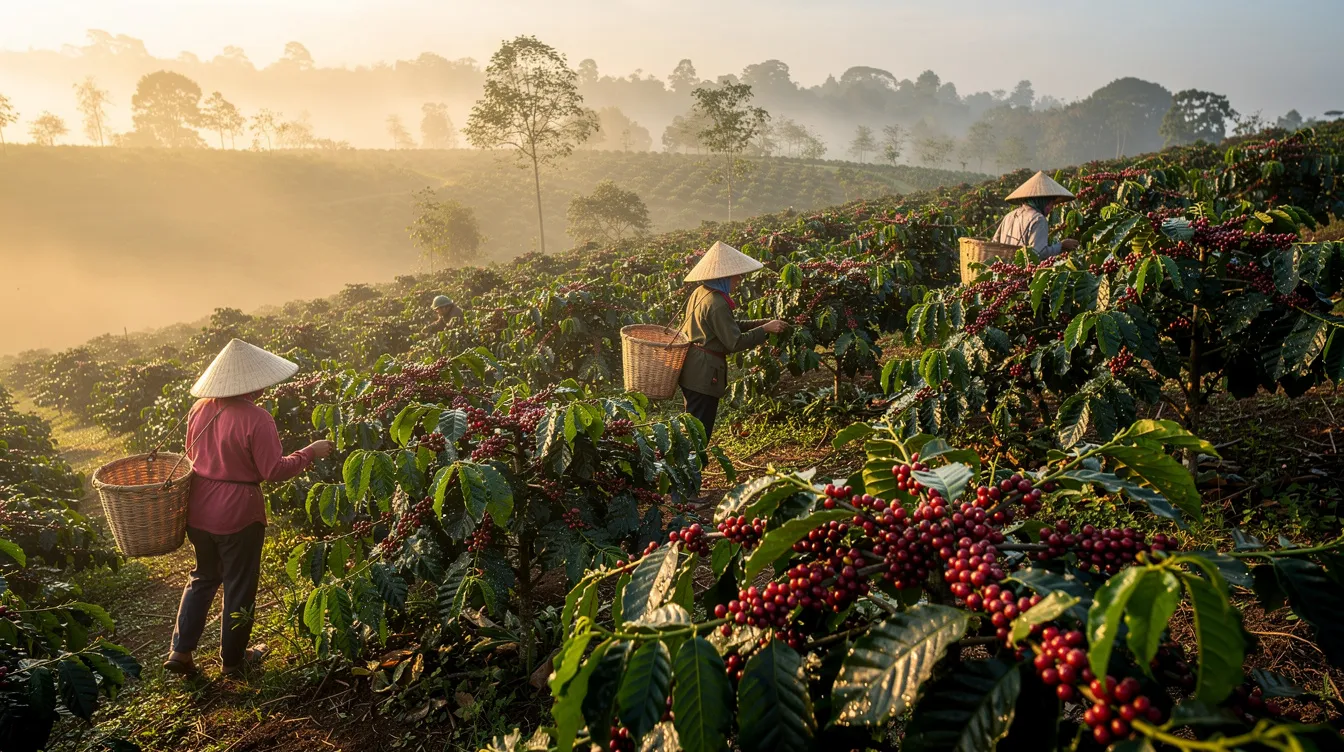
Vietnam's coffee industry is undergoing significant changes as it prepares to comply with the European Union's new regulations aimed at combating deforestation. The EU's Deforestation Regulation (EUDR) will take effect from December 30, 2026 for large and medium enterprises, and from June 30, 2027 for micro and small enterprises. It requires that coffee and other commodities be proven free from deforestation-related practices to be eligible for the EU market.
According to the Ministry of Industry and Trade, the EUDR mandates that all coffee exports must be sourced from land that has not been deforested since December 31, 2020. This includes a requirement for producers to provide detailed documentation, including geographic coordinates and proof of legal compliance in their country of origin. Failure to meet these standards could result in products being barred from entering the EU market.
“Producers need to ensure their coffee is sourced from legally compliant areas to avoid penalties and maintain access to the EU market.”Vicofa representative
Vietnamese coffee producers are racing against the clock to adapt to these stringent requirements. The Vietnam Coffee-Cocoa Association (Vicofa) has been actively informing farmers and exporters about the new rules, emphasizing the importance of traceability and legality in their supply chains. A representative from Vicofa indicated that producers need to ensure their coffee is sourced from legally compliant areas to avoid penalties and maintain access to the EU market.
“Investing in sustainable farming practices will help meet EU standards and improve the overall quality of Vietnamese coffee.”Analysts, Ministry of Agriculture and Rural Development
The new regulations also extend to other commodities, including cocoa, palm oil, and rubber, highlighting a broader effort by the EU to ensure sustainable trade practices. Analysts from the Ministry of Agriculture and Rural Development have noted that investing in sustainable farming practices will help meet EU standards and improve the overall quality of Vietnamese coffee.
In light of these developments, the Vietnamese government has been urged to facilitate the transition for coffee farmers by providing training and resources to help them comply with the EUDR.