Vietnam
Navigating U.S. Market Preferences: Vietnam's Wood Industry Challenges
As Vietnam's wood exports face pressures, manufacturers seek strategies to enhance competitiveness in the U.S. market.
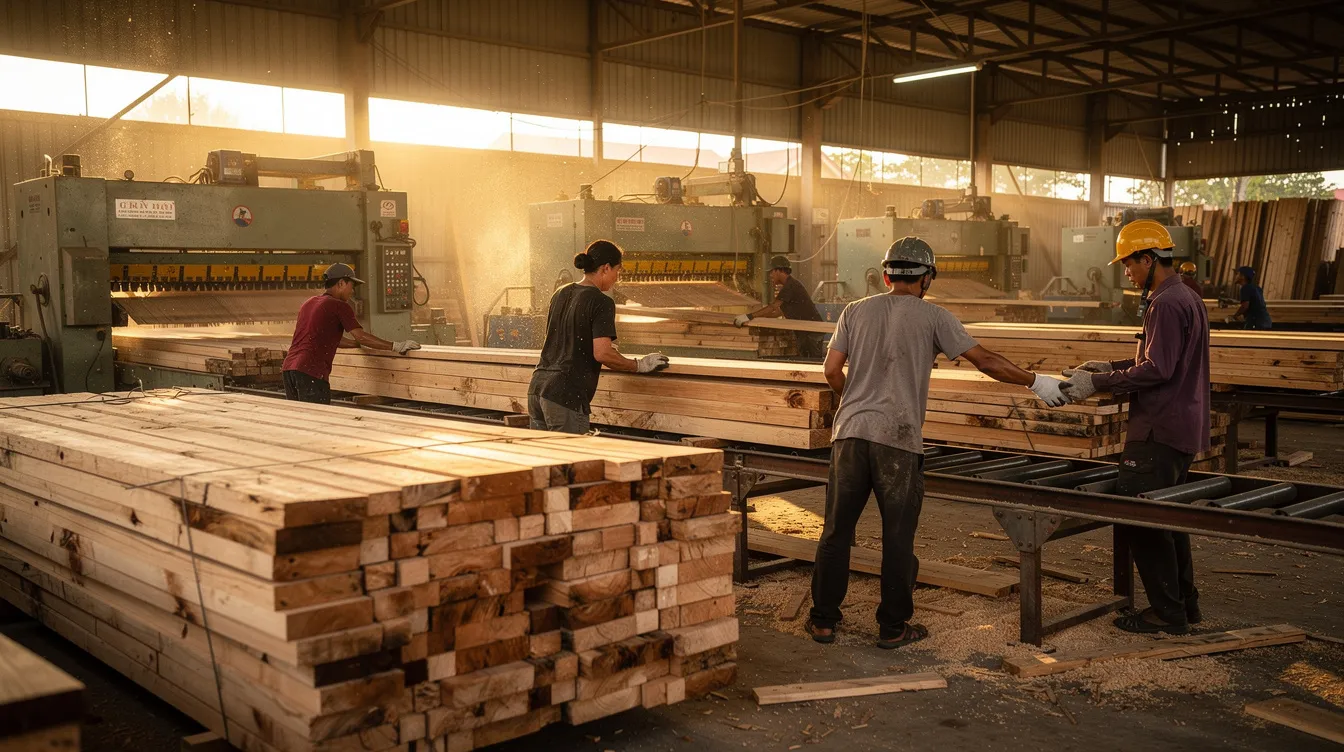
Vietnam's wood and wooden products sector is currently navigating a complex landscape as it seeks to maintain and expand its foothold in the U.S. market. In the first nine months of 2026, exports to the U.S. reached approximately $6.68 billion, marking a 4.1% decrease compared to the same period in 2025. Despite this decline, the U.S. remains the largest market for Vietnamese wood products, accounting for 50.1% of the total export value of the sector.

In contrast, exports to China surged by 40.8% to $1.98 billion during the same timeframe, indicating a shift in market dynamics. This shift highlights the need for Vietnamese manufacturers to diversify their markets and reduce reliance on traditional partners. Analysts at the Ministry of Industry and Trade suggest that the industry must enhance product quality and design to meet evolving consumer preferences, particularly in competitive markets like the U.S.
“To sustain growth, manufacturers must enhance product quality and adapt to market demands.”Ministry of Industry and Trade
To address these challenges, Vietnam is actively participating in international trade fairs, such as the High Point Market in North Carolina, where it showcased a national pavilion featuring 16 companies involved in furniture and handicrafts. The event, held from October 17 to 21, 2026, aimed to connect Vietnamese producers with international buyers and promote the diverse range of products available, from modern minimalist designs to traditional handcrafted items.
Moreover, the U.S. Department of Commerce has initiated anti-dumping and countervailing duty investigations into hardwood plywood imports from Vietnam, China, and Indonesia. This scrutiny could further complicate the export landscape for Vietnamese manufacturers. The investigations, which began in May 2025, have raised concerns among exporters, especially as they face allegations of receiving subsidies from the Vietnamese government.
“The U.S. remains a critical market, but diversification is essential to mitigate risks.”Industry Analyst
In response to these challenges, industry stakeholders emphasize the importance of adapting to market demands. Vietnamese companies are encouraged to improve their production capabilities, enhance design innovation, and ensure compliance with international standards regarding material sourcing and environmental regulations. The goal is to not only sustain existing markets but also to explore new opportunities in regions such as Europe and Latin America, where demand for high-quality wooden products is growing.
As the year progresses, the Vietnamese wood industry is poised to leverage upcoming seasonal demand in various markets. To capitalize on these opportunities, manufacturers must prioritize market research, strengthen trade promotion efforts, and foster direct connections with importers. These strategies are vital for enhancing competitiveness and ensuring sustainable growth in the face of fluctuating global demand.