Vietnam
Vietnam's E-Commerce Sector Thrives Amid Global Expansion
As online shopping becomes a staple in Vietnam, the e-commerce market is projected to reach $49 billion in 2026, driven by changing consumer behaviors and cross-border opportunities.
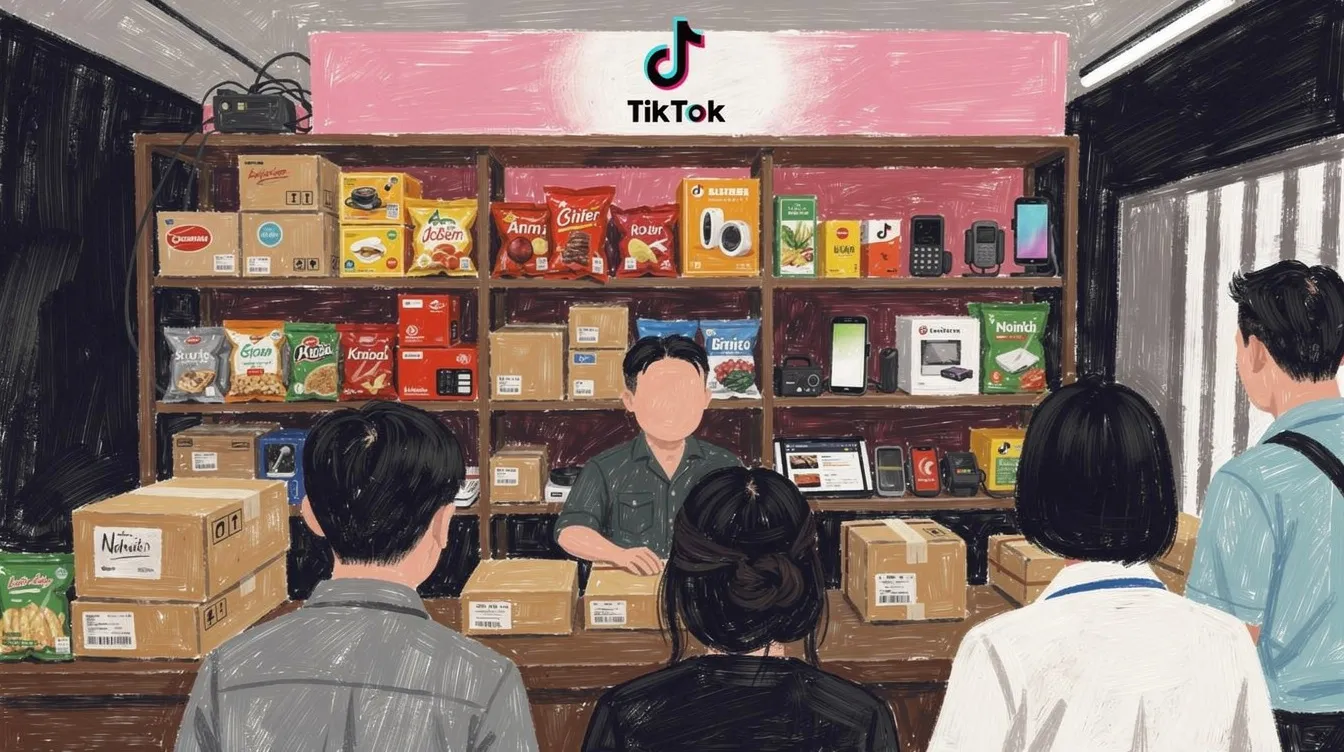
Vietnam's e-commerce sector is witnessing significant growth, with online shopping becoming a daily habit for millions of consumers. According to the e-Conomy SEA 2026 report by Google, Temasek, and Bain & Company, the digital economy in Vietnam is projected to reach $49 billion in 2026, marking a 20% increase from 2025. E-commerce is expected to account for about two-thirds of this growth, with a total transaction value of $32 billion, reflecting a 22% rise.
In the first nine months of 2026, the combined sales from major platforms like Shopee, TikTok Shop, Lazada, and Tiki reached approximately 442 trillion VND (around $18.5 billion), a 44.5% increase compared to the previous year. Notably, the number of products sold surged to 3.28 billion, up 12.5%. Interestingly, consumers are shifting their spending habits, with purchases of higher-value items (over 1 million VND or $42) increasing from 14.5% to 19% of total sales, while those under 200,000 VND ($8.50) dropped from 50.1% to 42.2%.
“Consumers are becoming more discerning, prioritizing official stores over low prices.”Nguyen Phuc Khoa, Vice President of the Vietnam Retail Association
This trend indicates that Vietnamese consumers are increasingly willing to invest in quality products rather than solely seeking the cheapest options. According to Nguyen Phuc Khoa, Vice President of the Vietnam Retail Association, the growth in e-commerce is largely driven by the habit of online shopping spreading from urban to rural areas. "Consumers are becoming more discerning, prioritizing official stores over low prices," he noted.
The e-commerce landscape is also evolving as sellers adapt to competitive pressures. Many are moving away from a short-term profit mindset to focus on long-term strategies that emphasize quality and customer service. Khoa remarked, "Sellers have realized that underpricing to attract customers is a short-term strategy that erodes profits. They are now focusing on quality and after-sales service to retain customers for the long haul."
Moreover, Vietnam's e-commerce market is not just thriving domestically; it is also opening doors for Vietnamese businesses to reach international consumers directly. On November 5, Amazon Global Selling Vietnam announced plans to support online exports, aiming to bring 30 Vietnamese national brands to its platform and assist 300 manufacturers across various sectors, including furniture, food, and textiles, to engage in cross-border trade.
“Sellers have realized that underpricing to attract customers is a short-term strategy that erodes profits.”Nguyen Phuc Khoa, Vice President of the Vietnam Retail Association
Amazon, in collaboration with the Ministry of Industry and Trade, is implementing the "From National Brand to Global Brand" program, which aims to help businesses build their brands, operate storefronts, and connect with international customers. A report from Amazon Global Selling Vietnam indicated that in the 12 months leading up to July 31, 2025, the sales of branded products from Vietnamese partners on Amazon increased by over 40%, with the number of sellers achieving over $1 million in annual sales rising by 60%.
Experts believe that cross-border e-commerce presents a significant opportunity for Vietnamese companies to engage directly with global consumers, moving beyond mere production and export through intermediaries. "Platforms like Amazon enable businesses to showcase their products, test markets, and build their own brands," stated Tran Lam, an e-commerce expert. Vietnam's strengths in agricultural products, local materials, essential oils, cosmetics, and high-value consumer goods position it well in this global market.
“Platforms like Amazon enable businesses to showcase their products, test markets, and build their own brands.”Tran Lam, e-commerce expert
However, challenges remain. Many businesses face difficulties navigating stringent quality standards, high shipping costs, and a lack of local marketing expertise. Khoa emphasized that to support Vietnamese products, the government needs to simplify customs procedures for retail orders, provide legal support for international intellectual property rights, and enhance cross-border logistics infrastructure to reduce costs.
In conclusion, the greatest opportunity for Vietnam's cross-border e-commerce lies not only in selling products abroad but also in transitioning from merely exporting goods to exporting brands, retaining more value within the global supply chain.