Vietnam
Vietnam's Textile Sector Prioritizes Orders to Sustain Employment Amid Challenges
As Vietnam's textile industry navigates global market pressures, companies focus on securing orders to maintain jobs and enhance competitiveness.
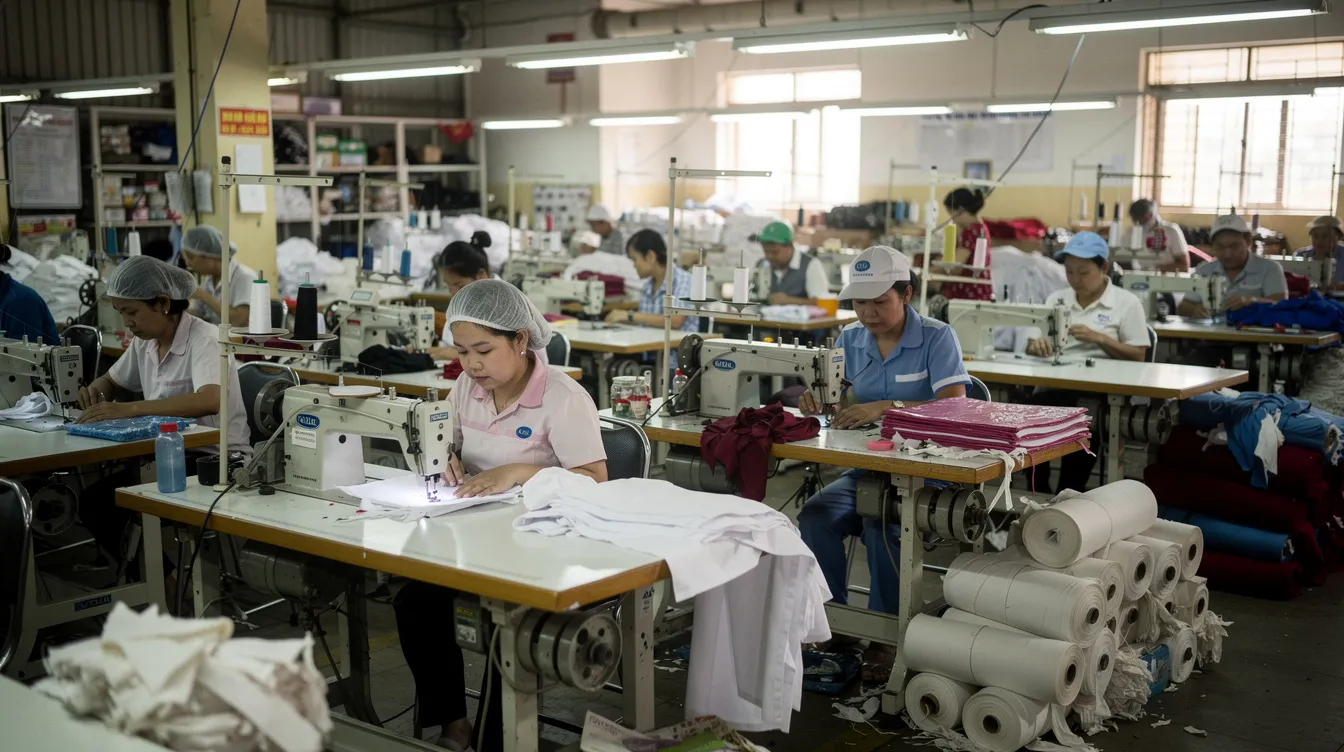
Vietnam's textile industry, a cornerstone of the country's economy, is currently prioritizing the securing of orders to ensure job stability for its workforce. As reported by Tuoi Tre, the sector aims to navigate through significant challenges, including fluctuating global demand, rising production costs, and increasing competition.
In 2024, the textile sector is projected to export approximately $22.2 billion. The industry has set a target of reaching $48 billion in total exports, aiming to achieve this through digital transformation, sustainable practices, and increasing value-added production, according to VnEconomy.
Despite these goals, the industry faces multiple hurdles. Rising costs of raw materials, transportation, and energy, coupled with stringent quality demands from international buyers, have made it challenging for manufacturers to secure large orders. Many companies are now receiving smaller, lower-value orders, which further complicates their operational viability. As noted by Cong Thuong, the industry is also grappling with labor shortages and competition within major production hubs.
To address these issues, the Vietnam National Textile and Garment Group (Vinatex) has been focusing on restructuring its operations and enhancing management strategies. The group emphasizes the need for innovation and adaptability in response to market dynamics. According to the International Labour Organization, there is a pressing need for skill development among workers to meet the demands of a rapidly evolving industry.
Moreover, the introduction of new dyeing technologies, such as ultrasonic dyeing, aims to reduce chemical waste and water usage, aligning with global sustainability trends.
Stakeholders highlight the importance of supportive policy frameworks from the government to help the textile sector grow and build resilience amid ongoing global challenges.