Indonesia
Indonesia's Textile Sector Eyes $251 Million Export Potential Amid Global Recovery
As global demand for sustainable textiles rises, Indonesia's textile industry aims to enhance competitiveness and expand its export market.
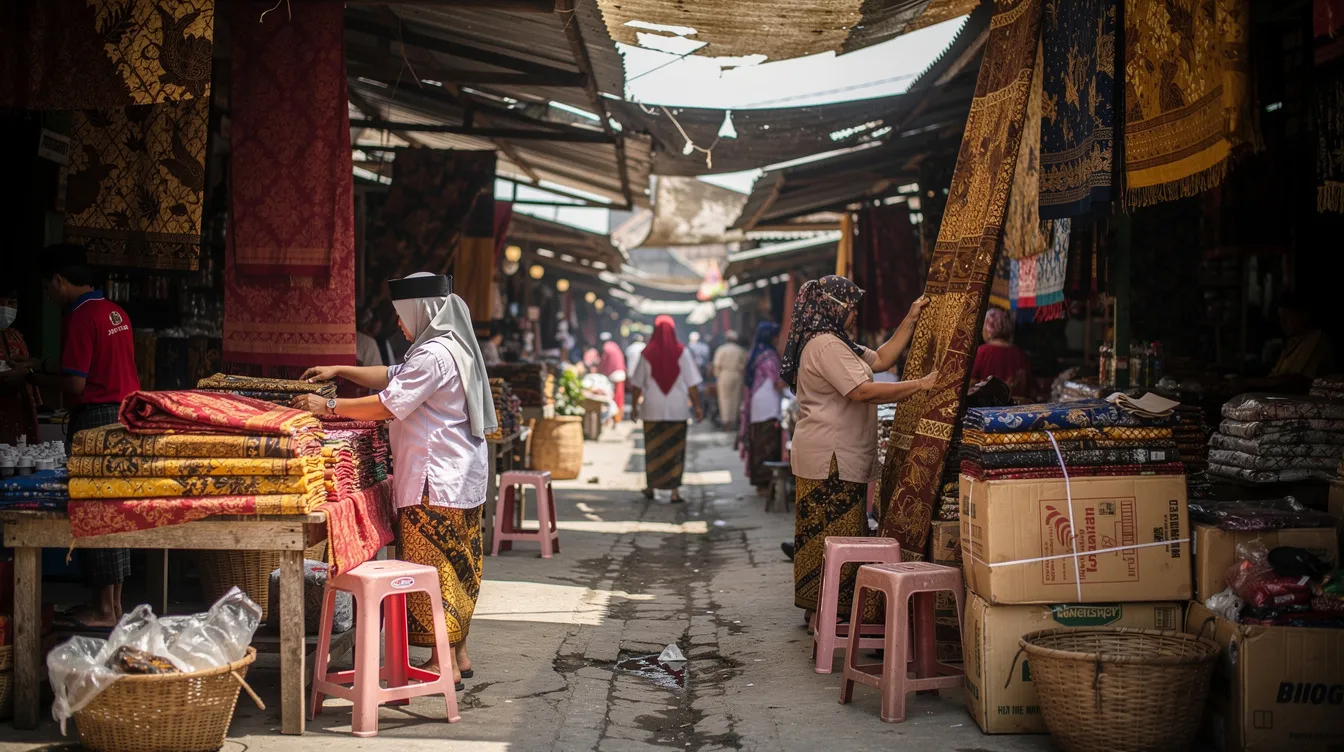
Indonesia's textile and garment industry is set to capitalize on a projected export potential of approximately $251 million, driven by a resurgence in global demand for sustainable textile products. According to the Indonesian Eximbank Institute, the demand for upstream textile products, such as yarn and woven fabrics, has been showing signs of recovery throughout 2025.
As the global market for textiles rebounds, the Indonesian government is urging local manufacturers to strengthen their competitiveness. The Minister of Finance, Purbaya Yudhi Sadewa, emphasized the importance of revitalizing the textile and footwear industries through affordable liquidity provided by Indonesia Eximbank. This support aims to modernize machinery and enhance global competitiveness.
“Global buyers now consider not only competitive pricing but also product quality, delivery timeliness, traceability, compliance with international standards, and the use of sustainable materials.”Anton Herdianto, Executive Director of Business I at LPEI
Anton Herdianto, the Executive Director of Business I at LPEI (Indonesia Export Financing Agency), noted that 74% of Indonesia's textile exports currently consist of finished fabrics. He explained that global buyers now consider not only competitive pricing but also product quality, delivery timeliness, traceability, compliance with international standards, and the use of sustainable materials, adding that strengthening the supply chain is crucial to maintaining Indonesia's export competitiveness.
To address these challenges and opportunities, LPEI recently held the LPEI Export Forum (LEF) in Bandung, focusing on building a competitive and sustainable garment supply chain for the global market. The forum gathered stakeholders from the textile and garment sectors to discuss strategies for enhancing Indonesia's international market presence.
Despite the promising outlook, the Indonesian textile sector faces stiff competition from countries like China, India, and Vietnam, which have established strong footholds in the global market. Analysts predict that Indonesia's textile exports will grow by 2% to 3.2% in 2026, building on a current growth rate of about 1.3%. By 2027, this growth could reach between 3.5% and 4.0%, largely fueled by rising demand for sustainable textile products, especially in the premium market segment.
“LPEI's facilities significantly aid our export operations. Besides reducing financing burdens, their insurance products protect us against various risks.”Maniwanen, Director of PT Ungaran Sari Garments
Industry leaders also highlight the importance of modernizing production processes and enhancing productivity to meet the evolving demands of global consumers. Maniwanen, the Director of PT Ungaran Sari Garments, remarked on the supportive role of LPEI in facilitating export activities and mitigating international trade risks. He stated that LPEI's facilities significantly aid their export operations, noting that besides reducing financing burdens, their insurance products protect against various risks, allowing them to confidently expand their export markets.
As Indonesia aims to strengthen its textile industry, the focus remains on fostering collaboration among government bodies, financial institutions, and industry players. This collective effort is seen as vital to enhancing the sector's competitiveness and increasing its contribution to national exports amidst the changing landscape of global trade.