Indonesia
Indonesia Aims for 7% Investment Growth to Support Economic Expansion
The Indonesian government sets ambitious targets for investment and economic growth in the coming years, aiming for a sustainable fiscal approach.
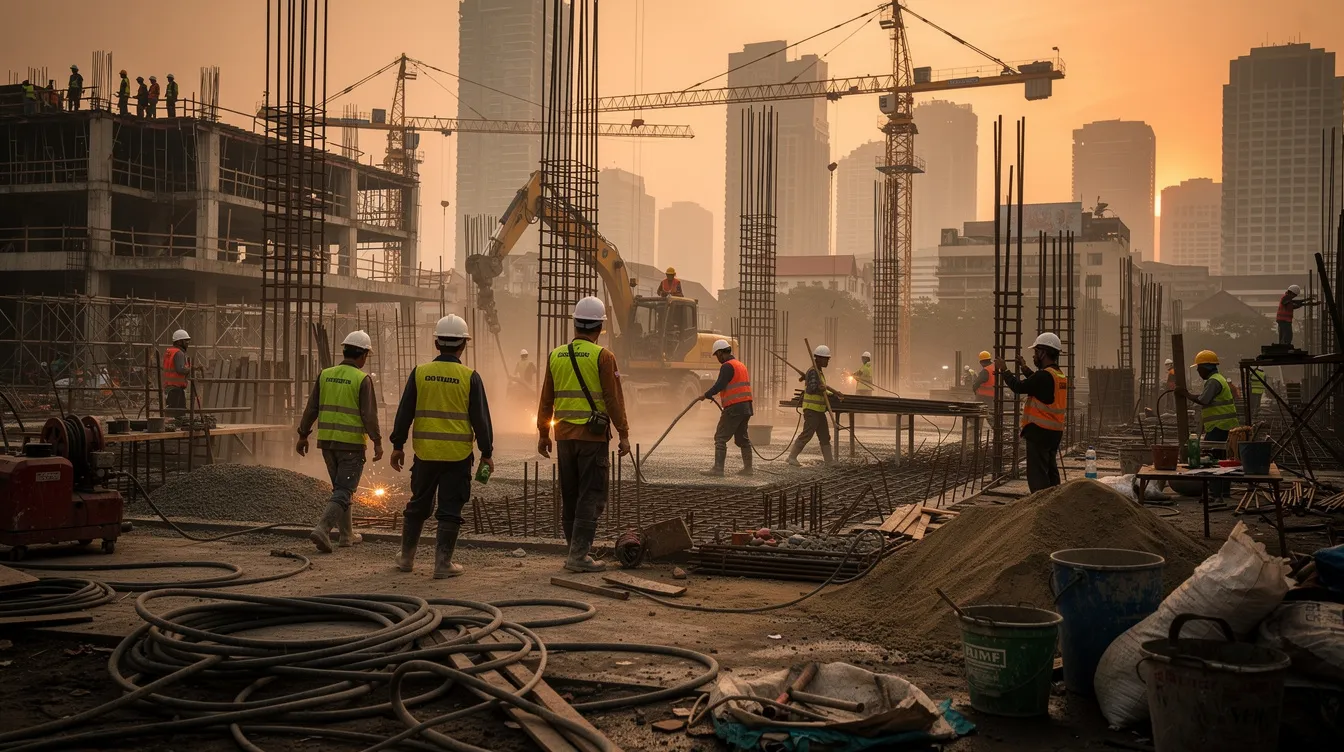
The Indonesian government has outlined a strategy to achieve a 7% growth in investments as part of its broader economic goals, aiming for a 6% economic growth rate by 2027. Finance Minister Purbaya Yudhi Sadewa expressed optimism about this target during a recent parliamentary session, emphasizing the need for a collaborative approach among various government ministries and the private sector.
According to Purbaya, the proposed state budget for 2027, amounting to IDR 4,097 trillion (approximately USD 267 billion), reflects a commitment to sustainable economic management. The budget anticipates a revenue growth of around 6.79% from the previous year, with a deficit of 2.40% of the Gross Domestic Product (GDP). He stated that with the right economic strategies and prudent fiscal policies, the government is confident that Indonesia’s economy can grow by 6%, with inflation maintained at around 2.5%.
Investment is seen as a crucial catalyst for economic growth. Purbaya acknowledged that achieving the targeted economic growth would require an acceleration in investment, which must increase by 7% annually. This collaborative effort will involve the Investment Coordinating Board (BKPM) and the newly established Daya Anagata Nusantara (Danantara), which aims to enhance investment in strategic sectors.
Rosan Roeslani, the Head of BKPM, reported that investment in 2024 surpassed expectations, creating over 2.4 million jobs, a 34.7% increase from the previous year. The distribution of investments showed that 52.2% was directed outside Java, highlighting a growing interest in regional development. Roeslani noted that foreign investment accounted for 52.5% of total investments, with significant contributions from countries like Singapore, Hong Kong, and China.
“With the right economic strategies and prudent fiscal policies, we are confident that Indonesia’s economy can grow by 6%, with inflation maintained at around 2.5%.”Purbaya Yudhi Sadewa, Finance Minister
To meet the ambitious target of 8% economic growth by 2029, the government estimates that IDR 13,032.8 trillion (about USD 850 billion) in investments will be needed over the next five years. This figure represents a 43% increase from the investments realized over the past decade. Roeslani emphasized that the focus would not only be on the quantity of investments but also on their quality and direct impact on economic growth and communities.
As the government pushes forward with these targets, the emphasis on gotong royong (communal cooperation) and musyawarah (consensus-building) remains central to its approach, ensuring that local communities are engaged in the development process. This strategy reflects a commitment to not only economic growth but also to inclusive development across the archipelago.
In contrast, Indonesian media outlets have highlighted the challenges that may arise from these ambitious targets. For instance, coverage from several local sources points out concerns regarding the feasibility of sustaining such high investment growth amid global economic uncertainties and domestic pressures. Some analysts have warned that while the government aims for a collaborative approach, the actual implementation may face hurdles due to bureaucratic inefficiencies and the need for substantial infrastructure improvements.
Moreover, while the national government promotes investment as a pathway to growth, regional news reports emphasize the importance of addressing local community needs and environmental sustainability. This perspective suggests that the government’s focus on economic metrics may overlook the potential negative impacts of rapid investment on local ecosystems and communities.
Overall, while both national and regional coverage agree on the need for increased investment to drive economic growth, they diverge in their framing of the implications. National reports tend to focus on the optimistic projections and strategic frameworks, while regional outlets are more cautious, stressing the importance of community involvement and sustainable practices in achieving these economic goals.