Indonesia
Indonesia's Car Sales Surge Amid Strong Domestic Demand
Car sales in Indonesia have seen a significant increase, reflecting robust domestic demand despite global economic uncertainties.
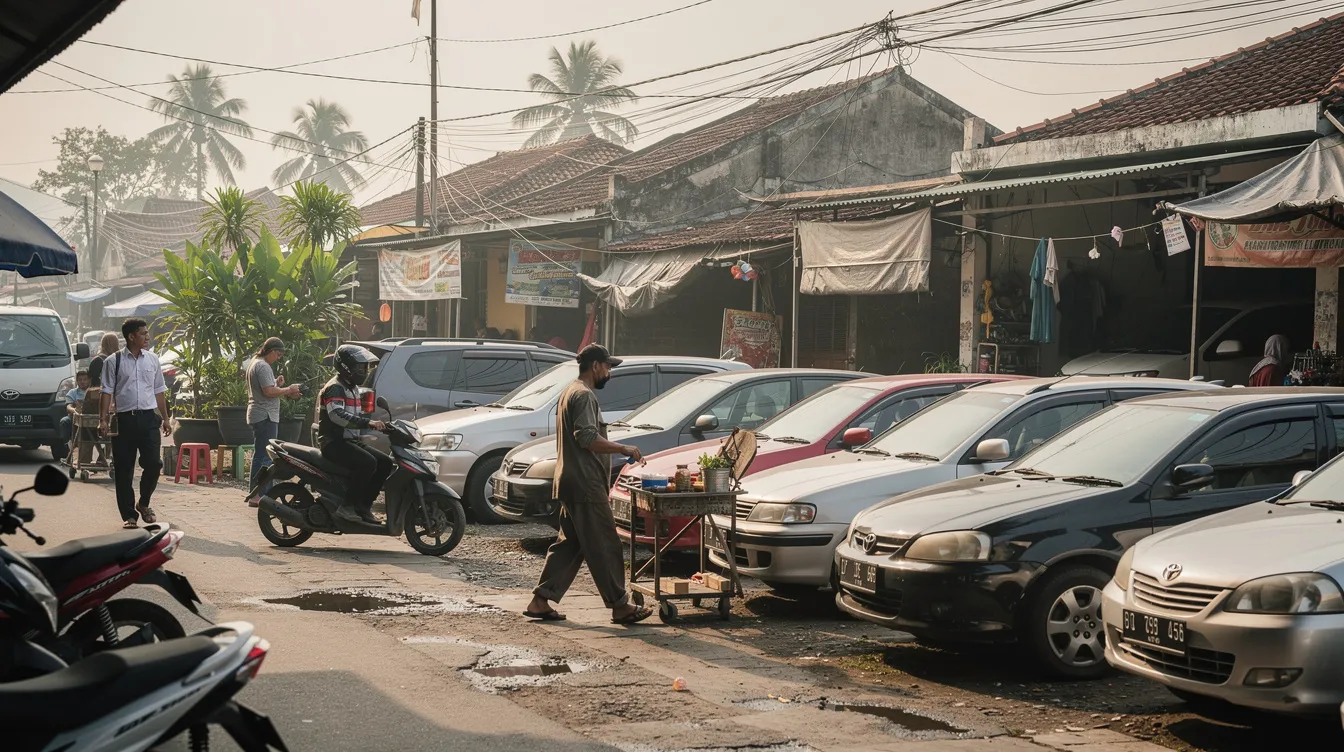
Indonesia's automotive market is experiencing a notable rebound, with car sales surging by 32.9% year-on-year in June 2026, according to data from the Association of Indonesian Automotive Industries (Gaikindo). This increase is seen as a positive indicator of strong domestic demand.
Finance Minister Purbaya Yudhi Sadewa highlighted that the growth in car sales is a reflection of sustained consumer purchasing power, despite ongoing uncertainties in the global economy. He noted that the overall economic indicators, including a rise in domestic cement sales, suggest a solid foundation for Indonesia's economy. Purbaya stated that the government is monitoring every variable that indicates the current and future economic conditions and acting swiftly to ensure economic growth is not affected by negative developments in the market during the Gaikindo Indonesia International Auto Show (GIIAS) 2026.
The GIIAS event, which runs from July 29 to August 9, 2026, in Tangerang, serves as a platform for manufacturers to showcase new models and innovations, further stimulating interest in the automotive sector. Analysts have noted that the automotive industry plays a crucial role in Indonesia's economic landscape, providing significant employment and contributing to manufacturing and investment growth.
“We are monitoring every variable that indicates the current and future economic conditions and acting swiftly to ensure economic growth is not affected by negative developments in the market.”Purbaya Yudhi Sadewa, Finance Minister
Despite the positive sales figures, challenges remain. The high-interest-rate environment, with Bank Indonesia's benchmark rate currently at 5.75%, continues to exert pressure on consumer financing, which is vital for vehicle purchases. Approximately 70-80% of vehicle transactions in Indonesia rely on financing, making affordability a key concern. The expiration of government incentives, such as the Sales Tax on Luxury Goods for Motor Vehicles, has also contributed to rising vehicle prices, which may affect future sales.
Moreover, while traditional vehicle sales are recovering, the electric vehicle (EV) segment is gaining momentum. Consumers are increasingly receptive to electrified mobility, with more models entering the market and charging infrastructure expanding. This shift aligns with global trends towards sustainability and could reshape the future of Indonesia's automotive landscape.
In summary, the surge in car sales in Indonesia occurs against the backdrop of strong domestic demand and consumer confidence, despite the challenges posed by the global economic environment. The government's focus on fiscal policies to support this growth, alongside the automotive industry's strategic collaborations, will be crucial in maintaining this positive trajectory.