Vietnam
French Companies See Investment Opportunities in Vietnam's Growing Market
As Vietnam's economy continues to thrive, French businesses are keen to expand their investments, particularly in high-tech and sustainable sectors.
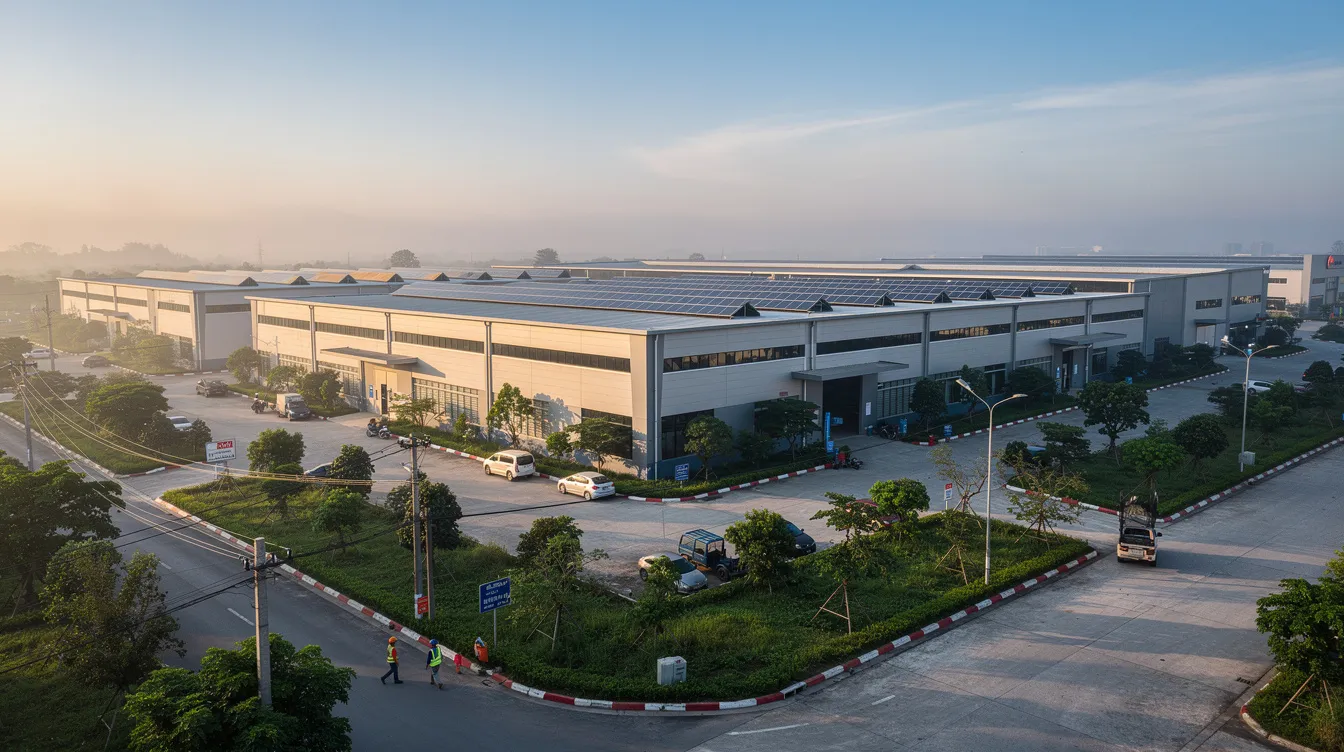
French companies are interested in Vietnam's growing market, identifying opportunities for investment and collaboration across various sectors. This sentiment was noted during a recent meeting between Vietnamese Deputy Prime Minister Hồ Đức Phớc and Francois Corbin, Vice President of the French Business Confederation (MEDEF), who was present with over 40 French enterprises visiting Vietnam.
Corbin noted that Vietnam is one of the few countries that maintained growth during the global COVID-19 pandemic, and this resilience has positioned it as an attractive destination for foreign investment. He said businesses from both countries can leverage their complementary strengths to explore development opportunities.
Vietnam's Deputy Prime Minister highlighted France's expertise in high technology, sustainable development, renewable energy, and infrastructure. He urged MEDEF to enhance investment connections in these areas, emphasizing the potential for collaboration under the EU-Vietnam Free Trade Agreement (EVFTA) and the EU-Vietnam Investment Protection Agreement (EVIPA).
According to the latest data, France is currently the fourth-largest trading partner of Vietnam within the European Union, with bilateral trade reaching over $5.4 billion. Furthermore, French investments in Vietnam total approximately $3.96 billion up to the end of April, making France the second-largest investor in the country from Europe.
“Businesses from both countries can leverage their complementary strengths to explore development opportunities.”Francois Corbin, Vice President, MEDEF
At the 3rd Southeast Asia Business Forum held in Paris, Vietnamese officials noted Vietnam's abundant resources and skilled workforce, which make it an appealing market for technology corporations. With a population exceeding 100 million, Vietnam attracts major tech firms, including Nvidia and Samsung, as it integrates into the global supply chain.
Laurent Saint-Martin, the French Minister for Foreign Trade and Overseas French Affairs, noted that Southeast Asia is emerging as one of the fastest-growing economic regions, with Vietnam playing a crucial role in connecting ASEAN with the EU. He emphasized the need for increased French investment in strategic sectors such as digital transformation and artificial intelligence, which have not yet reached their full potential.
In addition, Air Liquide, a prominent French industrial gas supplier, has plans to double its investment in Vietnam to enhance its production capabilities and support the country's industrialization and modernization efforts. The company has been operational in Vietnam since 1996 and currently operates ten production units across the country.
As Vietnam continues to improve its investment climate and infrastructure, the government is encouraging more foreign investors, particularly in renewable energy and advanced manufacturing sectors.
Vietnamese media has also highlighted the country's evolving approach to international markets. According to Thanh Nien, Vietnamese enterprises are increasingly focusing on building their own brands rather than merely acting as original equipment manufacturers (OEMs). This shift is evident in companies like Vietnipa, which has successfully exported organic coconut products to the U.S., showcasing the potential of Vietnamese goods on the global stage.
While Indonesian coverage of the French investment interest emphasized the immediate economic benefits and the strategic partnerships that could arise, Vietnamese outlets framed the narrative around a broader vision of national branding and self-sufficiency. Vietnamese experts argue that moving from a model of 'Made in Vietnam' to 'Created by Vietnam' is essential for enhancing the country's position in global supply chains. This perspective is echoed by Th.S Nguyễn Lý Trường An, who advocates for Vietnamese businesses to invest more in research and development (R&D) and branding to secure a competitive edge internationally.
Moreover, Vietnamese sources, such as Thanh Nien, have pointed out that companies like Samsung are seeking local suppliers that meet stringent quality and sustainability standards, highlighting the need for Vietnamese firms to enhance their capabilities to compete effectively. The report indicated that while there are positive signs of local firms engaging with foreign direct investment (FDI) networks, challenges remain in meeting the high standards required by international partners.
In conclusion, while both Indonesian and Vietnamese coverage acknowledge the potential for French investment in Vietnam, the framing diverges significantly. Indonesian reports focus on immediate economic impacts and bilateral relations, whereas Vietnamese media emphasizes long-term strategic goals, the importance of developing a robust national brand in the global market, and the necessity for local enterprises to enhance their production and technological capabilities to fully benefit from foreign investments.