Thailand
Thailand's Government Proposes $6 Billion Loan Framework for EV Initiatives
The Thai government is considering a 200 billion baht loan framework to support electric vehicle adoption, including subsidies for electric motorcycles and incentives for new truck purchases.
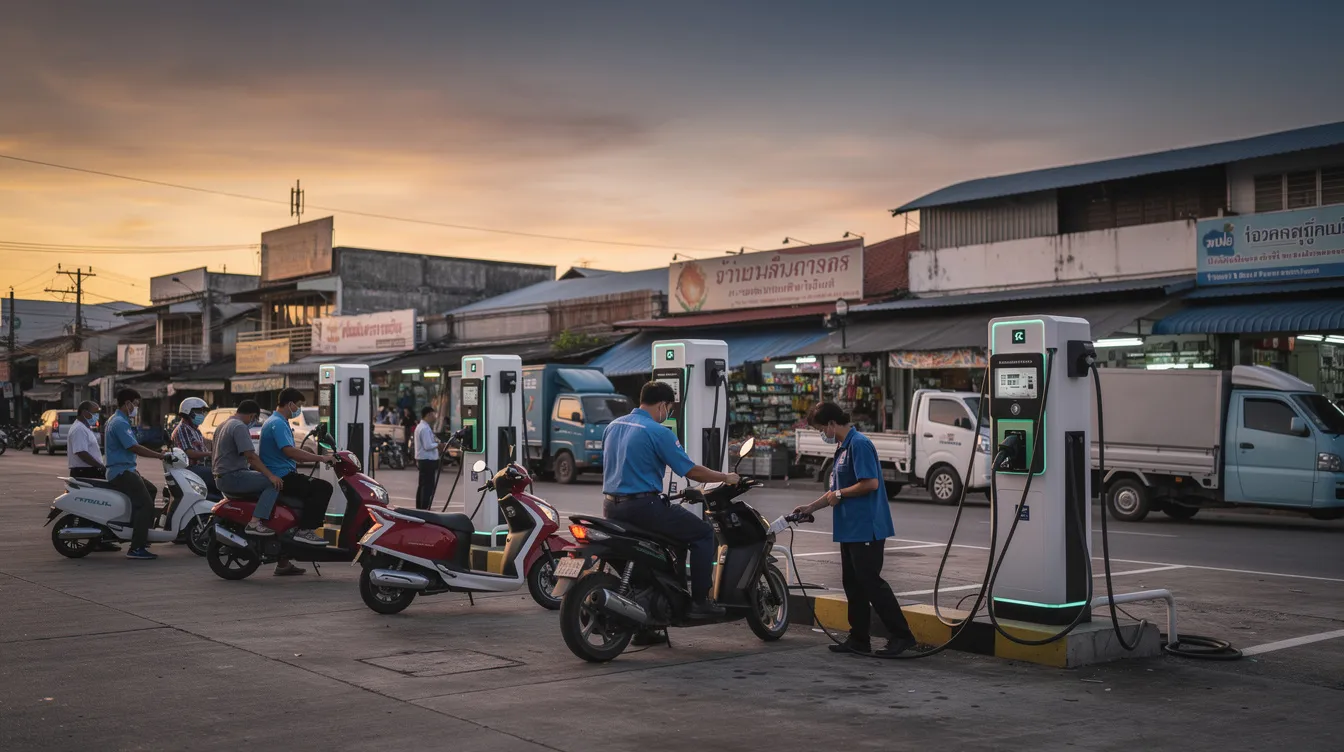
The Thai government is considering a loan framework of 200 billion baht (approximately $6 billion) to support the transition to electric vehicles (EVs) and address the ongoing energy crisis. This initiative, known as the MTC EV++ project, aims to subsidize the purchase of electric motorcycles and facilitate trade-ins for new pickup trucks, according to the Ministry of Finance.
According to the Director-General of the Excise Department, Pratchai Teeravech, the MTC EV++ project will provide subsidies for up to 400,000 battery electric vehicles (BEVs) manufactured domestically, with each subsidy amounting to 17,000 baht. The total budget allocated for this component is 6,000 million baht. However, the project is still pending approval from the subcommittee overseeing the loan's allocation.
“The MTC EV++ project aims to subsidize the purchase of electric motorcycles and facilitate trade-ins for new pickup trucks.”Pratchai Teeravech, Director-General of the Excise Department
As of 2025, electric motorcycles accounted for only 1.38% of new motorcycle registrations in Thailand, highlighting the challenges in transitioning to electric alternatives. The Thai government aims to address these hurdles through various financial mechanisms, including low-interest loans and direct subsidies. The Bank for Agriculture and Agricultural Cooperatives is expected to play a key role in disbursing these funds.
In addition to the MTC EV++ project, the government has introduced the EV 3.5 initiative, which will provide subsidies for electric vehicles over a four-year period from 2024 to 2027. The subsidy amounts will vary based on battery capacity, with incentives ranging from 5,000 to 100,000 baht depending on the vehicle type and battery size. This initiative is part of a broader strategy to position Thailand as a regional hub for electric vehicle manufacturing, as reported by the Board of Investment (BOI).
However, experts have raised concerns about the effectiveness of these measures. Dr. Chamaiphan Santikarn, a former advisor to the World Health Organization, noted that while the government’s policies appear supportive, there are structural issues that need addressing. These include high living costs related to energy, air pollution from PM2.5, and road safety concerns, particularly among young motorcycle users.
“While the government’s policies appear supportive, there are structural issues that need addressing.”Dr. Chamaiphan Santikarn, former WHO advisor
Furthermore, Dr. Chamaiphan Santikarn expressed concerns about the financing model, which relies on loans rather than direct subsidies, suggesting that this approach may not adequately support low- to middle-income individuals who are often the primary users of motorcycles. She also highlighted the need for the government to clarify the safety standards and conditions for the subsidies to ensure effective implementation.
As the government prepares to roll out these initiatives, it remains to be seen how effectively they will promote electric vehicle adoption and address the underlying challenges in Thailand's transportation sector.