Thailand
Thailand's Auto Sector Sees Strong Recovery Driven by EV Demand
July sales surged 20% as production and exports rebound, with electric vehicles leading the charge.
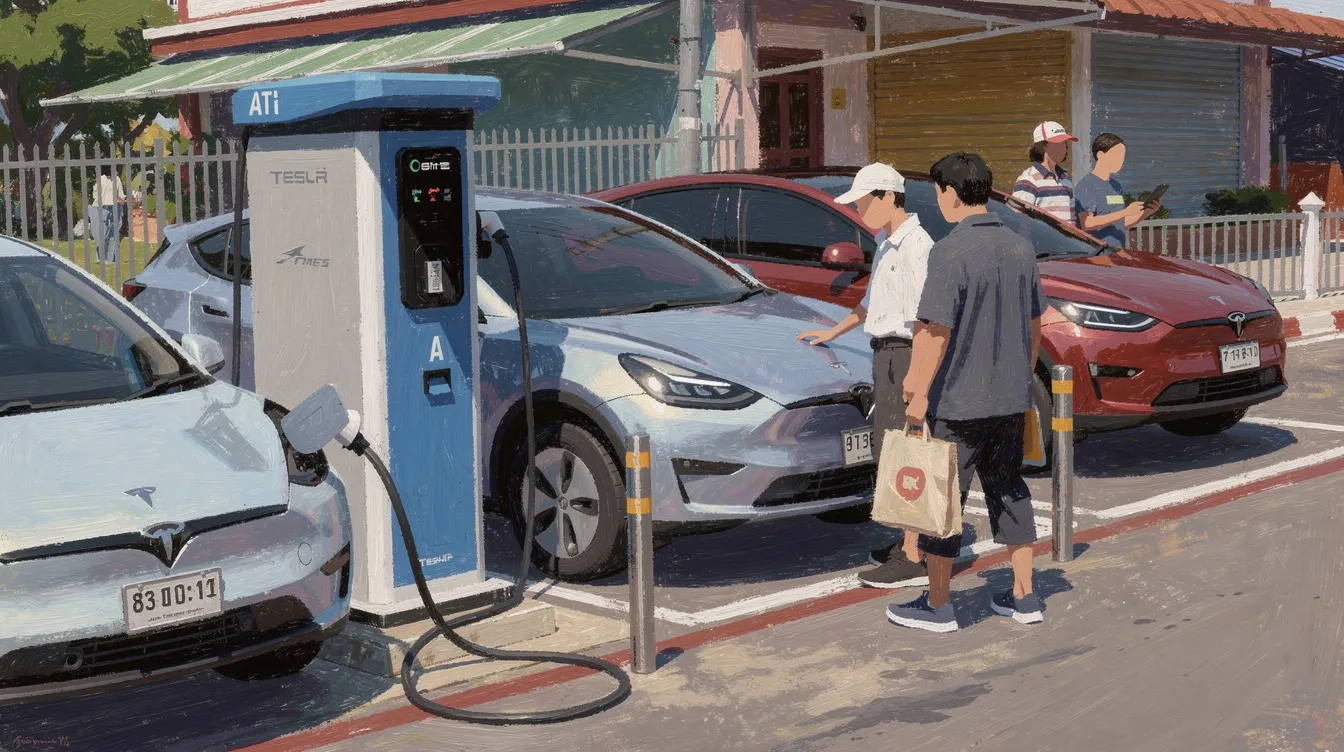
BANGKOK -- Thailand's automotive industry is experiencing a notable recovery, with domestic vehicle sales in July increasing by 20% compared to the previous year, marking the strongest growth since January. This surge is largely attributed to heightened demand for electric vehicles (EVs), particularly battery electric vehicles (BEVs), as well as a rebound in vehicle production and exports, according to data from the Automotive Industry Club of the Federation of Thai Industries.
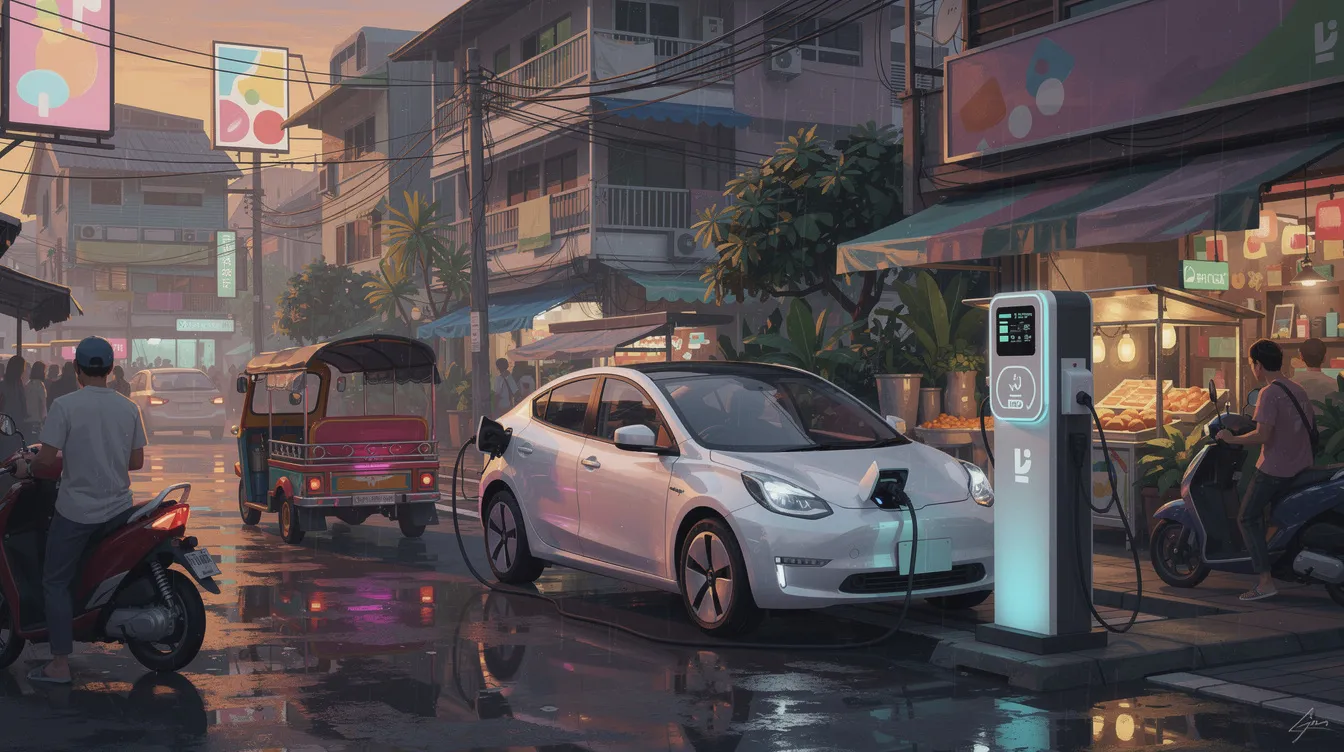
In July, a total of 57,765 vehicles were sold, which reflects a 19.36% increase from June and a 10.60% rise from July 2022. The growing interest in EVs has been a significant driver, with BEVs accounting for 31.22% of total sales, while hybrid electric vehicles (HEVs) made up 21.99%, indicating a diversification in Thailand's electric vehicle market, as reported by MReport.
“The growing interest in electric vehicles is a significant driver of our recovery.”Surapong Paisitpatanapong, spokesperson for the Automotive Industry Club
In addition to the strong sales figures, production levels have also returned to growth. This recovery comes after a challenging period for the industry, which faced production disruptions and declining exports due to global supply chain issues and economic uncertainties. The Board of Investment (BOI) has noted that Thailand aims to position itself as a regional hub for EV manufacturing, with investments in the sector reaching approximately $3.8 billion as of earlier this year.
Despite these positive trends, challenges remain. The pickup truck segment, a critical indicator of the economy, saw only a marginal increase of 0.21% year-on-year. Analysts have noted that this sluggish growth is due to strict lending criteria and high household debt levels, which exceed 80% of GDP. The ongoing geopolitical tensions and fluctuating energy prices further complicate the market landscape, affecting consumer confidence and spending.
“Despite the recovery, the pickup truck segment remains under pressure due to high household debt and strict lending.”Analysts
Looking ahead, experts suggest that the Thai automotive market may continue its recovery in the latter half of the year, supported by various factors including infrastructure investments and a gradual rebound in consumer demand. However, they caution that the tightening of credit and persistent economic uncertainties will require close monitoring. According to Krungsri Research, domestic vehicle sales are expected to grow by 1.0% to 2.0% annually, although challenges from global economic conditions may hinder more robust growth.
In summary, while Thailand's auto sector is on a recovery path, the extent of this rebound will depend on how well it navigates the ongoing economic challenges and consumer sentiment.