Thailand
Chinese EVs Challenge Luxury Brands in Thailand's Market
Chinese electric vehicles are gaining traction in Thailand's luxury segment, competing with established European and Japanese brands through lower prices and enhanced features.
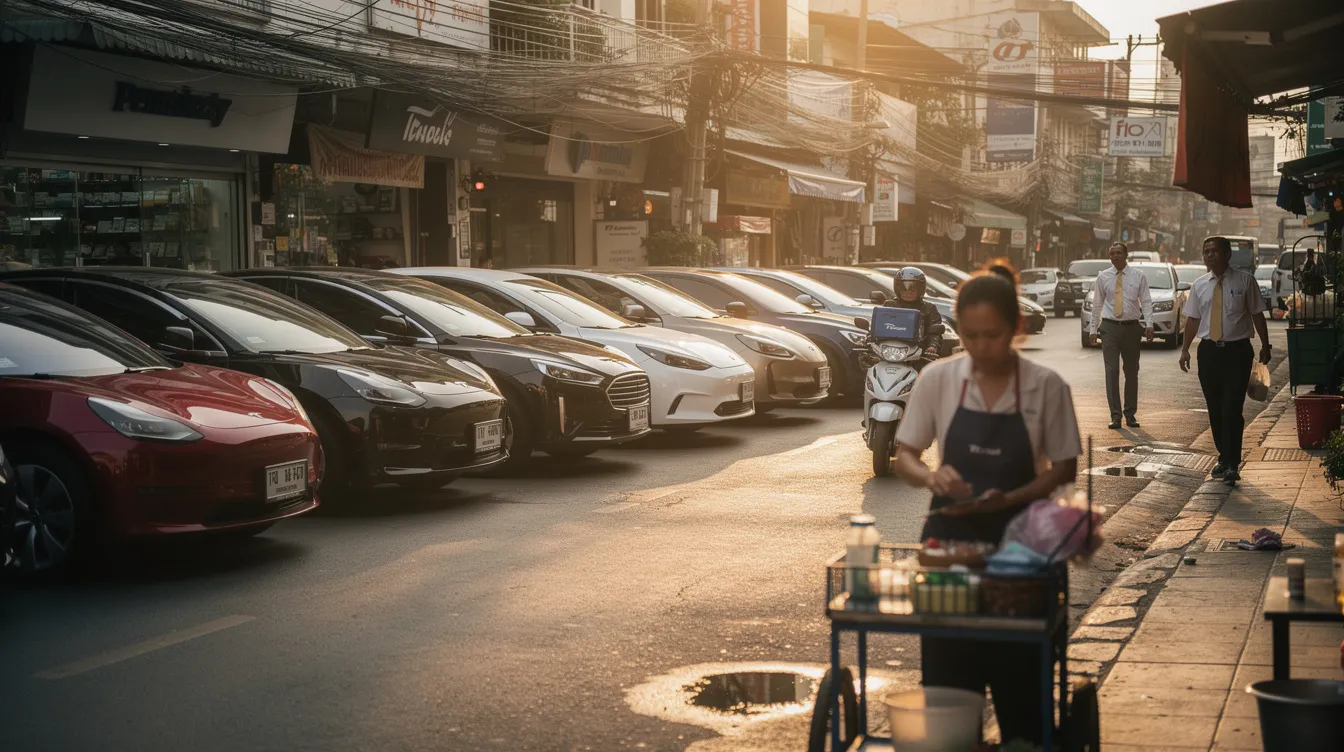
BANGKOK -- The luxury electric vehicle (EV) market in Thailand is witnessing a notable shift as Chinese automakers, particularly Geely's Zeekr and BYD's Denza, begin to challenge established European and Japanese brands such as BMW and Mercedes-Benz. This development comes amid a broader push for electric vehicles in Thailand, where the government aims to position the country as a regional manufacturing hub for EVs.
Chinese brands are leveraging lower pricing strategies and appealing interior features to attract consumers. The Zeekr 009 minivan, for instance, has significantly raised Geely's profile in Thailand, offering a competitive alternative to traditional luxury models. Analysts have noted that the combination of affordability and comfort is appealing to Thai consumers, who are increasingly considering EVs as viable options for luxury transportation.
According to a report by Nikkei Asia, the entry of these Chinese EVs into the luxury segment is part of a larger trend where electric vehicles are becoming more mainstream in Thailand. The Board of Investment (BOI) has previously indicated that investments in the EV sector have surged, reflecting the country's commitment to enhancing its electric vehicle infrastructure and manufacturing capabilities.
While the market for luxury EVs is still dominated by well-established brands, the competitive pricing of Chinese models could potentially disrupt the status quo. Consumers are increasingly drawn to the combination of advanced technology and lower costs, which could lead to a shift in market dynamics. In fact, some industry analysts believe that as more consumers become aware of the benefits of EVs, the demand for affordable luxury options will continue to grow.
This trend is not isolated to Thailand, as similar patterns are emerging across Southeast Asia, where local governments are encouraging the adoption of electric vehicles through incentives and infrastructure development. The competition from Chinese automakers may prompt established brands to reassess their pricing strategies and product offerings in order to maintain their market positions.