Thailand
Thailand's Edible Insect Industry Grows Amid Sustainability Push
Innovators in Thailand are turning to edible insects as a sustainable protein source, with applications ranging from animal feed to human consumption.
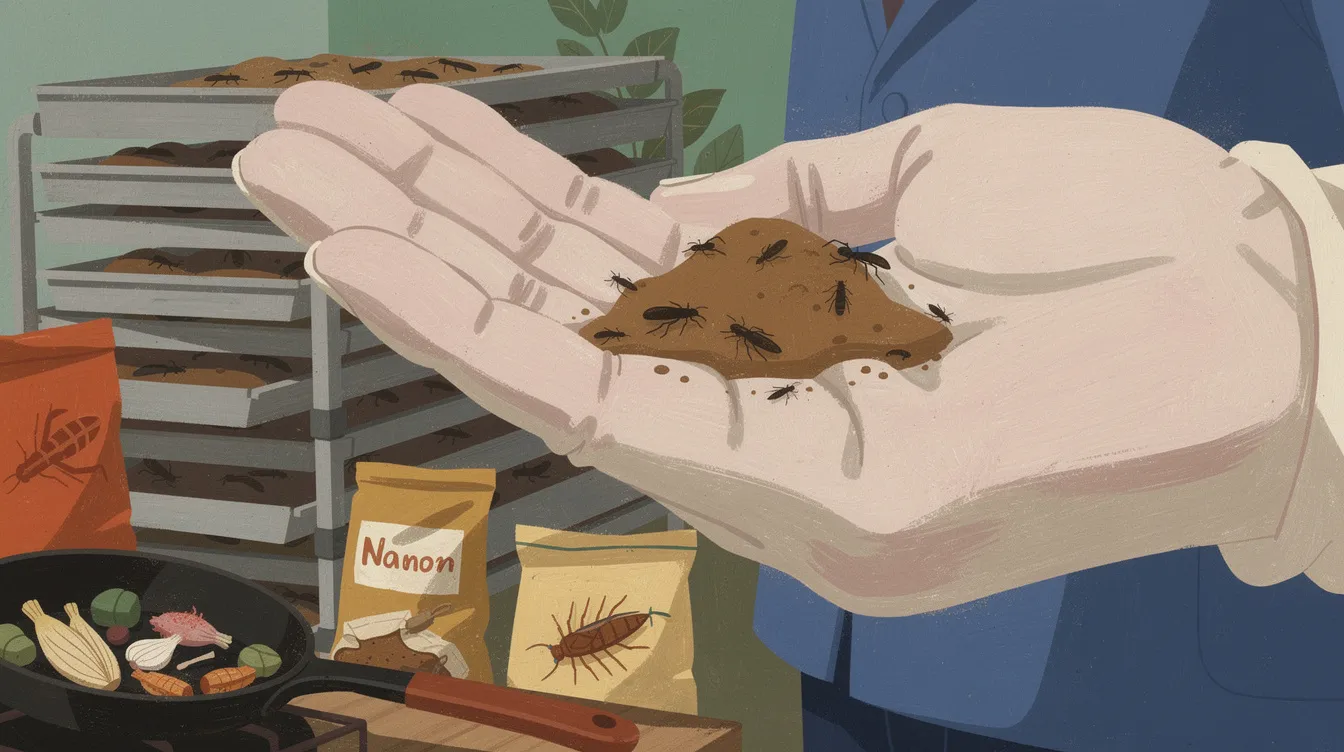
BANGKOK -- The edible insect industry in Thailand is gaining momentum as entrepreneurs explore sustainable protein sources. Notably, black soldier fly larvae are being transformed into various products, including animal feed, pet food, and even probiotics, reflecting a growing recognition of their environmental benefits.
Alisara Sivayathorn, CEO of Sivatel Bangkok, has taken an innovative approach by breeding black soldier flies in the hotel’s parking lot. This initiative not only aims to reduce waste but also highlights the potential profitability of insect farming in urban settings. Sivayathorn stated that the project showcases how traditional industries can adapt to modern environmental challenges.
According to a report by Nikkei Asia, Full Circle Biotechnology is also at the forefront of this movement, focusing on quality control for insect-based products. Their protein meal derived from black soldier fly larvae is being marketed as a nutritious alternative to conventional protein sources, which are often associated with higher environmental costs.
The Thai government has been supportive of this trend, recognizing the potential of insects as a food source. The Department of Livestock Development has promoted insect farming as a viable option to enhance food security and reduce the ecological footprint of protein production. Officials noted that insects require less land and water compared to traditional livestock.
As the global demand for sustainable food sources rises, Thailand’s edible insect sector is positioned to play a crucial role. Analysts suggest that with the right investments and regulatory support, this industry could not only contribute to local economies but also help address global food security challenges.