Thailand
Thailand Proposes QR Code System for EV Battery Passport
New regulations aim to enhance transparency and traceability in the electric vehicle sector, particularly for exports to Europe.
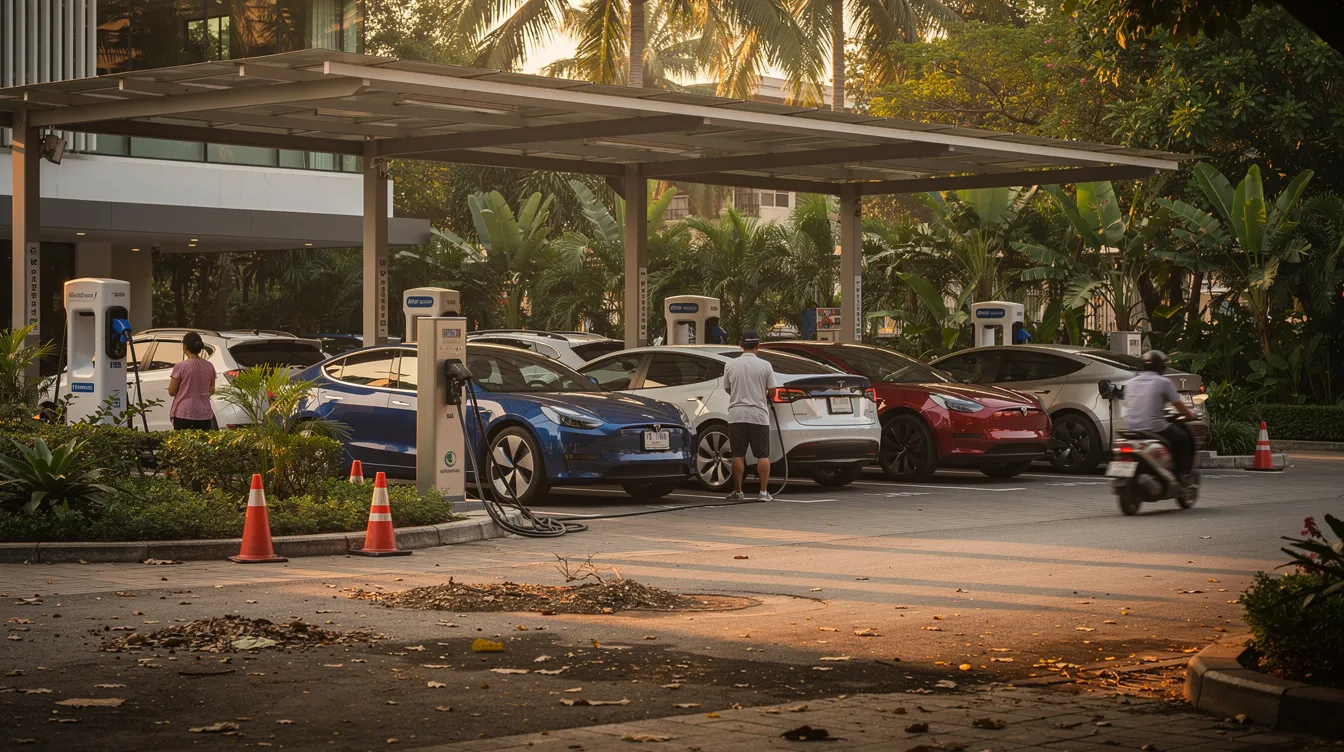
Thailand is moving towards implementing a QR code system for electric vehicle (EV) batteries, a measure aimed at enhancing compliance with European Union (EU) regulations. The proposal, which is currently under review by the Ministry of Industry, seeks to establish a battery passport system that would require all EV manufacturers exporting to Europe to include a QR code on their batteries.
According to the Prachachat, this initiative is part of a broader strategy to bolster Thailand's position in the global EV market, particularly as European countries increasingly demand stricter environmental standards. The QR code will serve as a digital passport that provides essential information about the battery's origin, composition, and recycling processes, which aligns with the EU's Green Deal objectives.
“The QR code will serve as a digital passport that provides essential information about the battery's origin, composition, and recycling processes.”Ministry of Industry, Thailand
The Ministry of Industry has indicated that this system will not only facilitate compliance with international standards but also enhance consumer confidence in the safety and sustainability of EV products. The QR code will allow consumers and regulators to trace the lifecycle of the battery, ensuring that it meets the necessary environmental and safety requirements.
“The introduction of the QR code system could further attract foreign investments by demonstrating Thailand's commitment to high standards in EV production.”Analysts at Mandiri Sekuritas
In recent years, Thailand has positioned itself as a significant player in the EV market, with investments surging as manufacturers look to capitalize on the growing demand for electric vehicles. Analysts at Mandiri Sekuritas have noted that the introduction of the QR code system could further attract foreign investments by demonstrating Thailand's commitment to high standards in EV production.
As the global shift towards electric mobility accelerates, the proposed QR code system is expected to meet international market demands. The Ministry of Industry is expected to finalize the regulations by the end of this year, with implementation anticipated in early 2027.