Thailand
Thailand Introduces Stricter Environmental Regulations for Data Centers
New rules aim to manage resource use and environmental impact as the sector grows.
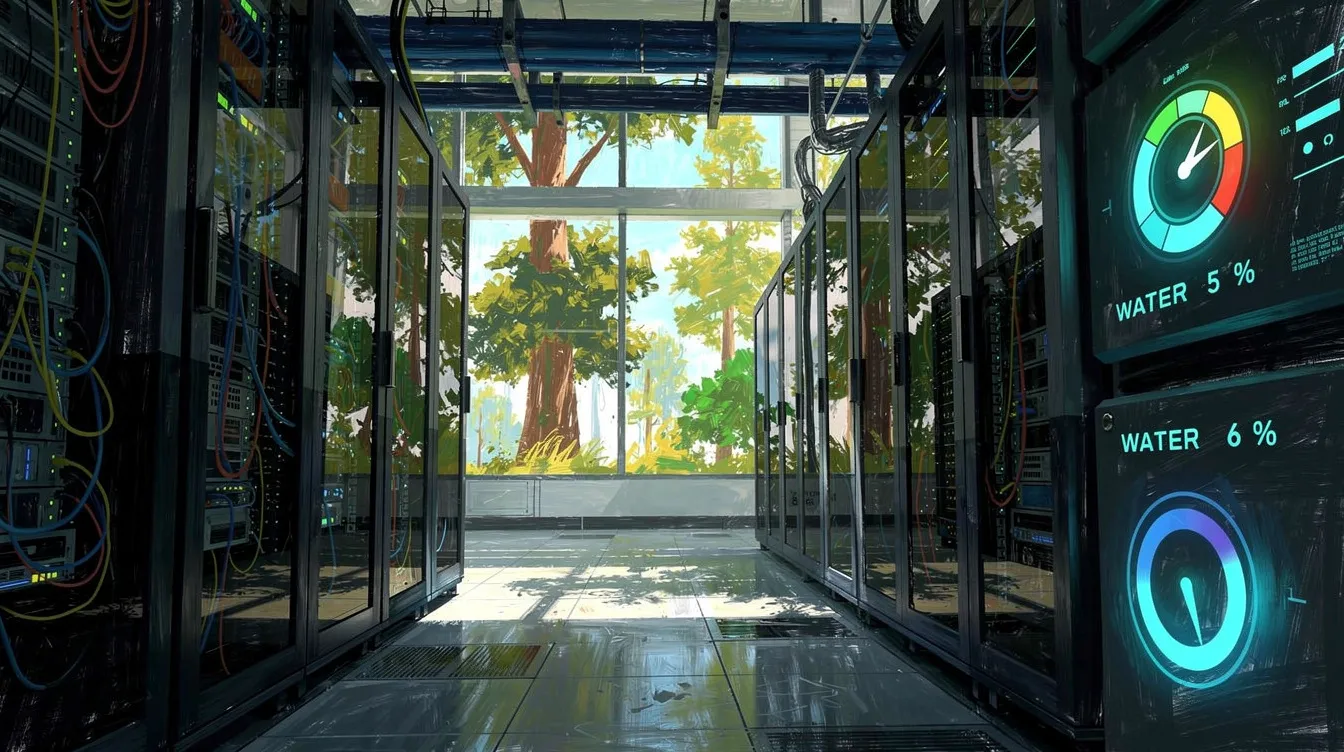
BANGKOK — Thailand is set to implement its first industry-specific regulations for large data centers, mandating stricter environmental standards. This move comes as the government seeks to address the growing concerns over resource consumption and environmental impact associated with these facilities, which have been under scrutiny for their heavy electricity and water usage.
The Cabinet approved the new policy on November 10, 2023, led by Deputy Prime Minister and Finance Minister Ekniti Nitithanprapas. According to the government, the regulations aim to create a framework that balances the interests of investors, the public, and the environment. The new guidelines will categorize data centers into seven levels based on their energy and water consumption, with the highest tier allowed to use up to 200 megawatts of electricity.
“The aim is to create a balance between the interests of investors and the public while ensuring environmental protection.”Ekniti Nitithanprapas, Deputy Prime Minister and Finance Minister
Currently, the demand for electricity from data centers has surged, with applications for power reserves reaching approximately 30,000 megawatts. However, actual consumption is estimated to be only about a quarter of this figure, leading to concerns about speculative applications that do not result in real investment. The government aims to streamline the approval process and ensure that resources are allocated to serious investors who have concrete plans for development.
Officials emphasized that the regulations will not only ensure environmental protection but also enhance investor confidence by providing clear guidelines and reducing bureaucratic redundancies. The Ministry of Digital Economy and Society (MDES) will establish a centralized database, known as the TH-DC Dashboard, to monitor the status and location of data centers across the country. This initiative aims to facilitate better planning and resource allocation.
“Future investments must create tangible benefits for Thailand and not just financial inflows.”Ekniti Nitithanprapas, Deputy Prime Minister and Finance Minister
In addition to environmental standards, the new regulations will require data center operators to contribute positively to the local economy by creating jobs and developing local supply chains. The government has stressed that future investments in data centers must provide tangible benefits to Thailand, not just financial inflows.
As the sector continues to grow, these regulations are seen as a necessary step to ensure that the expansion of data centers aligns with sustainable development goals. The government hopes that by enforcing these standards, it can mitigate the potential negative impacts on communities and the environment while fostering a robust digital economy.