Philippines
Super El Niño's Impact on the Philippines: Economic Risks and Health Concerns
As extreme heat intensifies, the Philippines faces significant economic and health challenges, particularly for vulnerable populations.
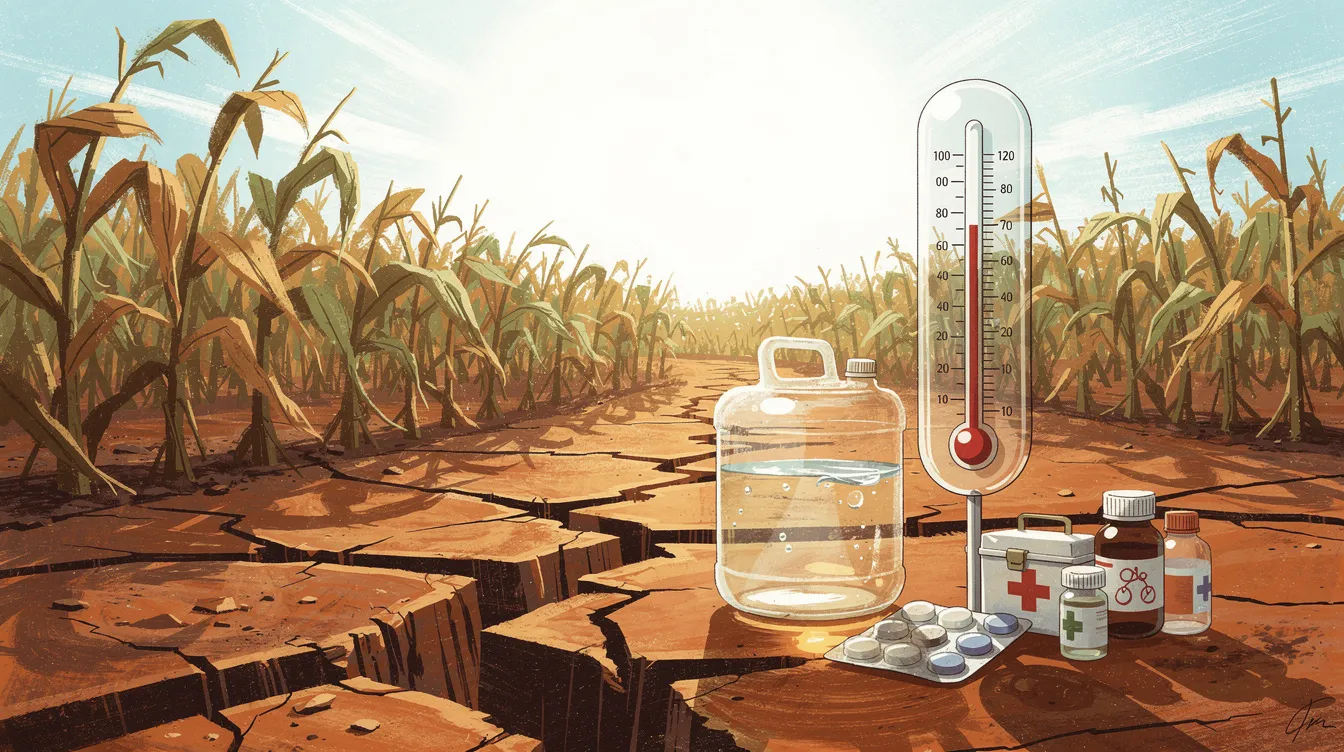
Manila, Philippines — The ongoing Super El Niño is expected to bring extreme heat conditions to the Philippines, posing serious economic and health risks, particularly for outdoor workers and vulnerable populations. According to a presentation by Dr. Atsamon Limsakul, nearly two-thirds of the global workforce, or approximately 2.4 billion workers, are at risk from extreme heat, with Southeast Asia projected to suffer significant economic losses as a result.
In 2024, the estimated loss of work hours due to heat stress was about 639 billion, translating to an economic cost of $1.09 trillion globally. By 2030, losses could escalate to $2.4 trillion, with Southeast Asia alone projected to lose 3.7 percent of working hours, equating to around 13 million full-time jobs. For the Philippines, the anticipated impact on GDP could reach 5.9 percent, or approximately $85 billion, according to the analysis presented.
“Heat creates an inequality multiplier.”Dr. Atsamon Limsakul, climate expert
Dr. Limsakul emphasized that heat stress disproportionately affects poorer households, which may lose 5 percent more income compared to wealthier families. This creates a challenging situation for daily wage earners who must choose between risking their health by working in extreme conditions or losing essential income needed for basic necessities. The presentation described heat as an inequality multiplier, exacerbating existing socioeconomic disparities.
The Philippine government has recognized the urgency of addressing these challenges. During the Urban Heat and Drought Summit organized by the Quezon City Government, the Climate Change Commission (CCC) highlighted the importance of localizing the National Adaptation Plan (NAP) 2023-2050. CCC Vice Chairperson Robert E.A. Borje said that this dry season, the country continues to experience intense heat, which highlights the need for urgent and coordinated action. The NAP aims to provide a science-based roadmap for local governments to address heat risks effectively.
“This dry season, we continue to experience intense heat, which highlights the need for urgent and coordinated action.”Robert E.A. Borje, CCC Vice Chairperson
As urban areas face rising heat indices, with Quezon City recording temperatures as high as 46°C in recent years, public health risks, daily life disruptions, and strain on energy and water systems are becoming increasingly apparent. The CCC has called for stronger coordination between national and local governments to ensure effective implementation of climate resilience strategies.
“Protecting workers means protecting economic productivity.”Dr. Atsamon Limsakul, climate expert
Economists from the Bangko Sentral ng Pilipinas have also warned that the extreme heat could adversely affect the economy and inflation, further complicating the challenges faced by the country. The situation is dire, with the potential for heat-related disruptions to lead to increased food insecurity and economic instability.
In light of these developments, experts are advocating for comprehensive strategies to mitigate the effects of extreme heat. This includes practical workplace protections, community planning for urban greening, and the implementation of heat-resilient infrastructure. Dr. Limsakul noted that protecting workers means protecting economic productivity.