Philippines
Philippines Deploys El Niño Alerts for Forest Fires, Coral Reefs and Water Supplies
Environmental officials are using weather stations, satellite data and risk maps as the state weather bureau warns of prolonged dry conditions.
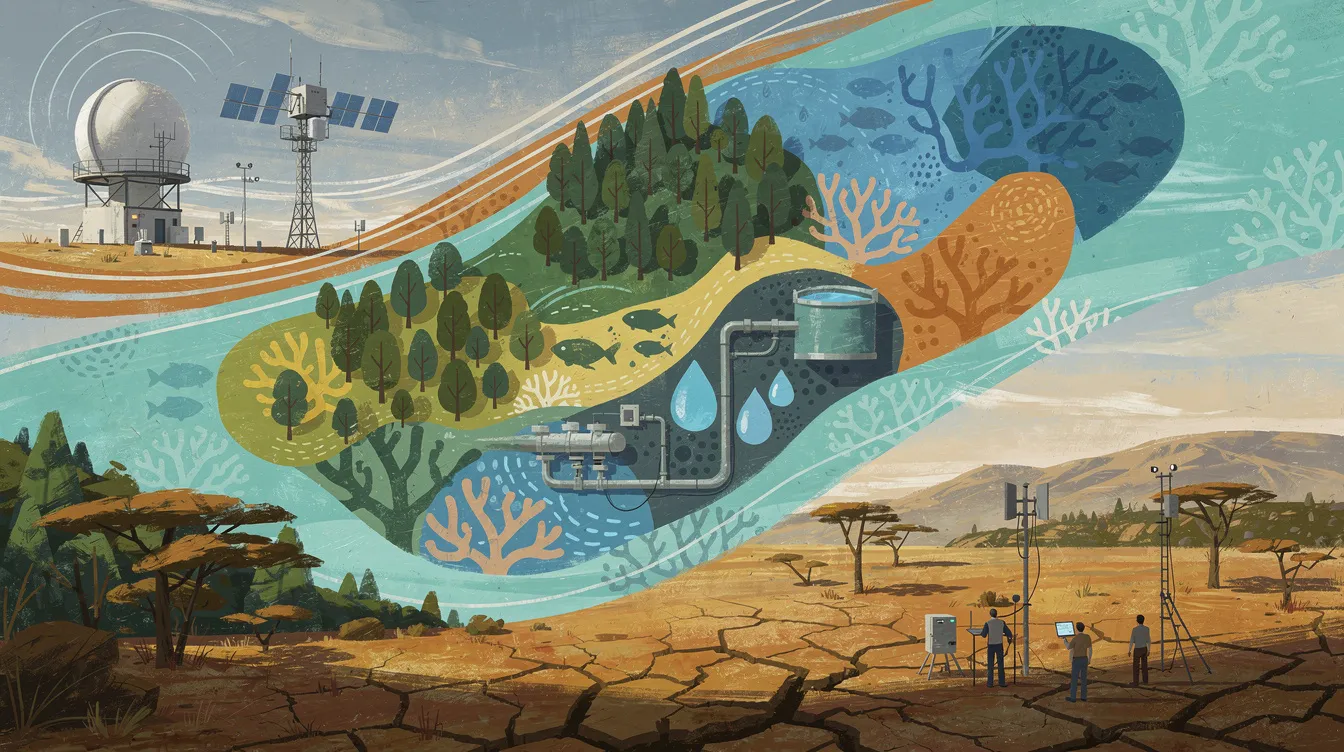
The Philippine Department of Environment and Natural Resources has deployed early-warning systems across several regions to monitor forest-fire hazards, coral bleaching, and potential water shortages linked to El Niño, according to the department, as reported by The Manila Times and GMA News. The systems combine automated weather stations, satellite observations, and digital risk maps intended to help field teams and local authorities identify where to respond.
The state weather bureau, PAGASA, has warned that El Niño could become very strong before the end of 2026 and persist into the first half of 2027, according to The Manila Times and the Daily Tribune. GMA News reported PAGASA’s warning that below-normal rainfall could affect about 40 provinces, with the number potentially doubling by January. Those are forecasts, rather than confirmed drought conditions.
In the northern Ilocos region, the department has established a fire-alert system linked to PAGASA and local disaster offices, The Manila Times and GMA News reported. The Manila Times said ten ranger stations with lookout towers are part of the effort to detect early indications of forest fires.
“In an era of accelerating climate extremes, timely information saves ecosystems and lives,” Juan Miguel Cuna, Philippine environment secretary
Along the Central Luzon coast, officials are monitoring sea-surface temperatures for signs of coral bleaching. According to The Manila Times and Pampanga News Now, satellite data prompted alerts for waters off Aurora in May, June, and July, after conditions reached Coral Bleaching Alert Level 1. Field teams in Aurora, Bataan, and Zambales were directed to inspect reefs and report their findings, The Manila Times said. A bleaching alert identifies heat stress; it does not establish that every reef in the area has bleached.
Farther south, weather stations at the Agusan Marsh Wildlife Sanctuary in Caraga are tracking heat, rainfall, and water levels to inform fire-risk maps and patrols, according to The Manila Times and GMA News. In the Bicol region, offices in Catanduanes and Masbate are monitoring conditions that could indicate drying and inform local water-conservation advisories, the outlets reported.
For water planning beyond those monitoring sites, the Daily Tribune reported that the department has also called for conservation, watershed monitoring, and additional small-scale water storage. The department has instructed regional offices to monitor water availability and give priority to areas facing shortages or prolonged dry spells, according to The Manila Times.
In contrast, Cambodian media has highlighted the broader humanitarian implications of El Niño, particularly its potential impact on children. According to a report from CamboJA News, UNICEF has warned that over 1.3 million Cambodian children are at risk from climate-related impacts due to El Niño, which is expected to exacerbate droughts and floods. This framing emphasizes the urgent need for protective measures for vulnerable populations, contrasting with the Philippines' focus on immediate environmental monitoring and resource management.
As both countries brace for the effects of El Niño, the differences in their coverage reflect varying national priorities: the Philippines is primarily concerned with environmental management and disaster preparedness, while Cambodia's narrative centers on the humanitarian crisis and the protection of children at risk.