Philippines
El Niño Threatens Inflation Gains in the Philippines
The Department of Agriculture warns that rising costs due to El Niño and fuel volatility could reverse recent progress in stabilizing food prices.
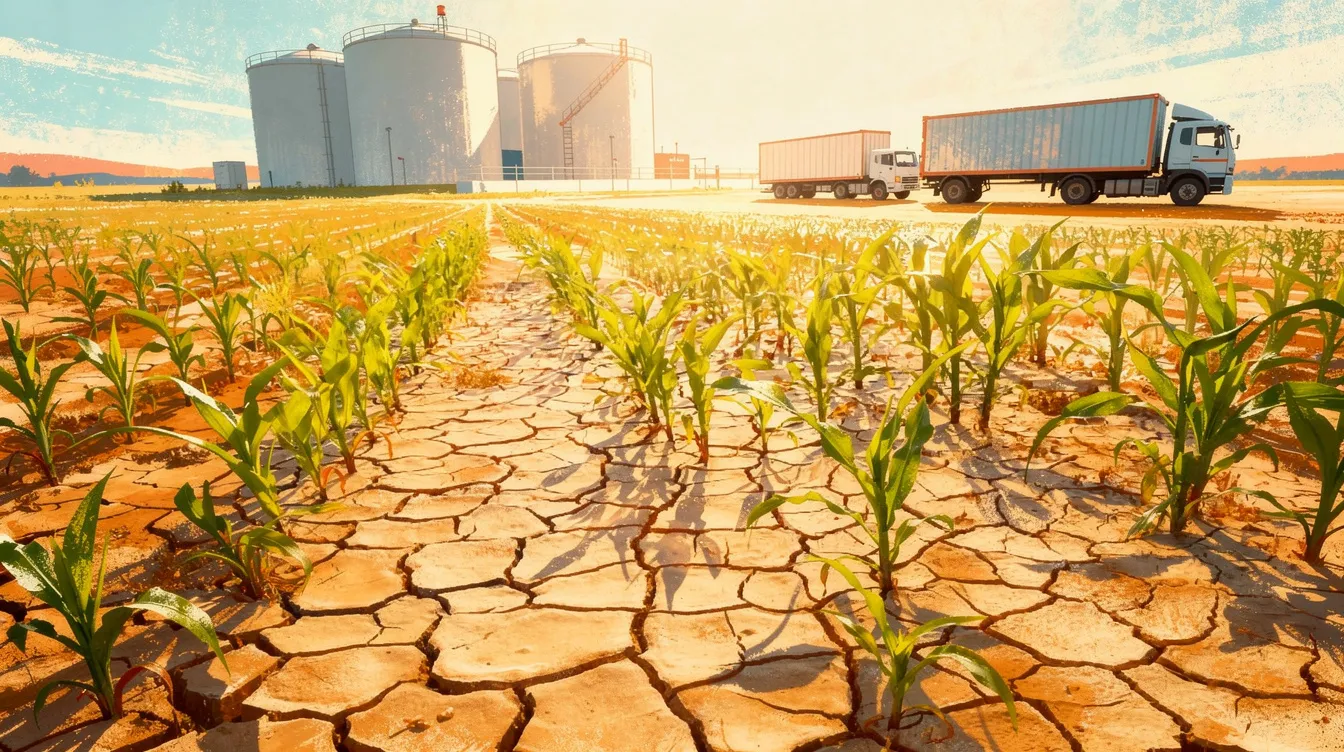
The Department of Agriculture (DA) has issued a warning regarding the potential impact of the El Niño climate phenomenon on food prices in the Philippines. While government supply measures have successfully maintained stable food prices in recent months, Agriculture Secretary Francisco Tiu Laurel Jr. emphasized that rising production and transport costs could threaten these gains.
Laurel stated that they are seeing signs that supply interventions are working, but they cannot take their foot off the pedal. Their job is to keep food flowing, help farmers and fisherfolk absorb higher production costs, and make sure affordable rice reaches consumers. He mentioned that the DA is considering implementing a retail price cap on rice if market conditions necessitate such action.
“We’re seeing signs that our supply interventions are working, but we can’t take our foot off the pedal.”Francisco Tiu Laurel Jr., Agriculture Secretary
According to the Philippine Statistics Authority, headline inflation decreased slightly to 6.2 percent in July from 6.4 percent in June, aligning with the Bangko Sentral ng Pilipinas’ (BSP) forecast range of 5.6 to 6.6 percent. However, food inflation remained steady at 5.3 percent, with rice inflation accelerating to 17.1 percent, the highest since July 2024. This increase in rice prices is particularly concerning, as cereals accounted for nearly three-fourths of food inflation.
Despite the challenges posed by El Niño, the DA has expanded financial assistance and input subsidies to support farmers and fisherfolk. The agency aims to mitigate the effects of rising costs, which are exacerbated by volatile fuel prices and uncertainties in the global oil market, particularly due to tensions in the Middle East. Laurel noted that if they keep food supplies stable despite volatile fuel prices and the expected impact of El Niño on production, inflation will ease.
“If we keep food supplies stable despite volatile fuel prices and the expected impact of El Niño on production, inflation will ease.”Francisco Tiu Laurel Jr., Agriculture Secretary
In July, food prices showed overall stability, with rice prices decreasing by 0.4 percent and meat prices declining by 0.6 percent. These reductions helped offset a 2.4 percent increase in vegetable prices and a 1.9 percent rise in corn prices, attributed to adverse weather conditions and increased transport costs. Prices for fish, dairy products, cooking oil, and fruits remained largely unchanged.
The DA's proactive measures come in response to broader economic pressures, as food accounted for nearly a third of the overall increase in consumer prices in July. The agency's efforts to stabilize food supplies are critical in the context of ongoing inflationary pressures, which have been a persistent concern for the Philippine economy.
In a broader economic context, the Philippines is grappling with significant challenges. The economy grew by only 2.3 percent in the second quarter of 2026, marking the weakest expansion since the onset of the COVID-19 pandemic, according to multiple reports from Philippine media. The slowdown has been attributed to elevated prices, weak investment, and declining public spending, particularly in construction, which fell by 32.4 percent year-on-year. This contraction has been linked to heightened scrutiny following corruption scandals in infrastructure projects, as noted by the Department of Economy, Planning, and Development Secretary Arsenio Balisacan.
While Indonesian coverage of the El Niño impact has focused on the immediate agricultural risks and the government's responsive measures, Philippine outlets have framed the situation within a broader economic slowdown narrative. Analysts in the Philippines have raised concerns that the ongoing inflation and El Niño effects could exacerbate the economic challenges, potentially leading to a more profound impact on household consumption and investment. One report highlighted that household consumption growth moderated to just 2.8 percent, the weakest rate since 2010, as inflation and job losses weigh heavily on consumer confidence.
In contrast, Indonesian coverage has stressed the government's proactive stance in managing food supply and inflation, emphasizing the importance of maintaining stability in the agricultural sector to prevent further economic deterioration. This divergence highlights differing national priorities: while Indonesia emphasizes agricultural stability, the Philippines grapples with a broader economic malaise exacerbated by external shocks.