Philippines
Bangko Sentral ng Pilipinas Raises Key Interest Rate to 5% Amid Inflation Concerns
The BSP's latest rate hike aims to address persistent inflation risks from oil prices and potential El Niño impacts.
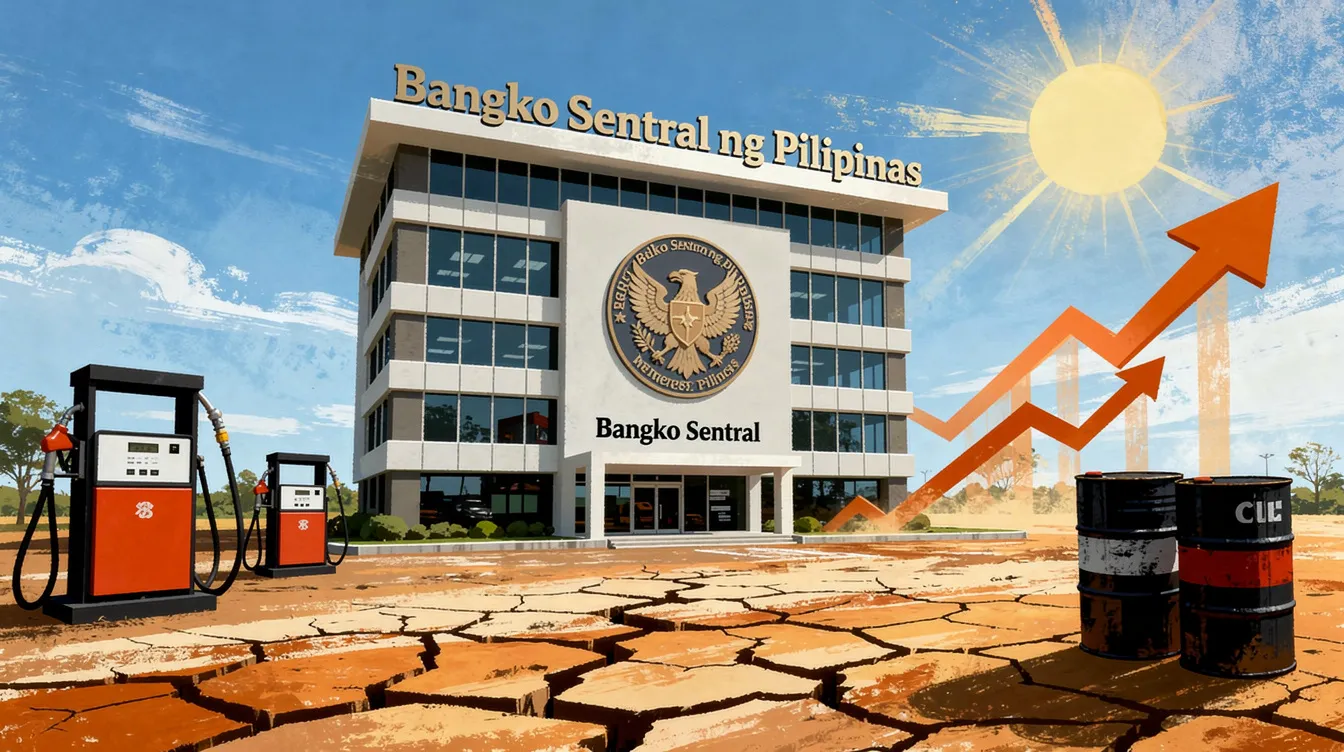
MANILA, Philippines – The Bangko Sentral ng Pilipinas (BSP) has raised its key policy rate by 25 basis points to 5%, marking the third consecutive increase this year as the central bank responds to persistent inflationary pressures. This decision, announced on August 27, 2025, comes amid concerns over volatile oil prices, a potential severe El Niño, and recent wage increases, which the BSP views as requiring preemptive monetary action.
Inflation in the Philippines eased slightly to 6.2% in July, down from 6.4% in June, but remains significantly above the BSP's target range of 2% to 4%. Core inflation, which excludes volatile food and energy prices, also declined to 4.2%. Despite this deceleration, the BSP noted that underlying price pressures are broadening, necessitating further action to stabilize inflation expectations.
“We will tighten as much as we need to bring the inflation rate down to its target.”Eli Remolona Jr., BSP Governor
BSP Governor Eli Remolona Jr. indicated that the central bank is prepared to take additional measures if necessary, stating that they will tighten as much as needed to bring the inflation rate down to its target. The BSP projects that inflation will peak in the fourth quarter of this year before gradually returning to its target range by 2027. However, it has raised its inflation forecast for 2027 to 5.4%, up from 4.5%, due to anticipated impacts from El Niño on agricultural output and prices.
The BSP's decision to raise rates aligns with the views of various analysts, including those from Bank of America, who noted that the central bank faces a difficult balancing act between controlling inflation and supporting economic growth. The Philippine economy grew at a sluggish rate of 2.3% in the second quarter of 2026, well below the government's target of 3.5% to 4.5% for the year. This slowdown has raised concerns that aggressive monetary tightening could further dampen growth.
“The measured increases in the policy rate will continue to anchor inflation expectations and mitigate the risk of further second-round effects.”BSP Statement
In addition to the rate hike, the BSP has increased the rates on its overnight deposit and lending facilities to 4.5% and 5.5%, respectively. This move is seen as a necessary step to anchor inflation expectations among consumers and businesses, especially in light of the potential for further wage increases, particularly in Metro Manila, where a minimum wage hike has been temporarily paused due to legal challenges.
As the BSP navigates these complex economic dynamics, it remains vigilant about external factors that could influence inflation, including global oil prices and the strength of the US dollar. The central bank's decisions will be closely monitored in the coming months, particularly as it prepares for its next policy meetings scheduled for October and December.