Thailand
El Niño's Early Impact on Thai Rice Production Raises Concerns
As El Niño conditions develop, Thai rice farmers brace for potential crop challenges, sparking fears of a global food supply disruption.
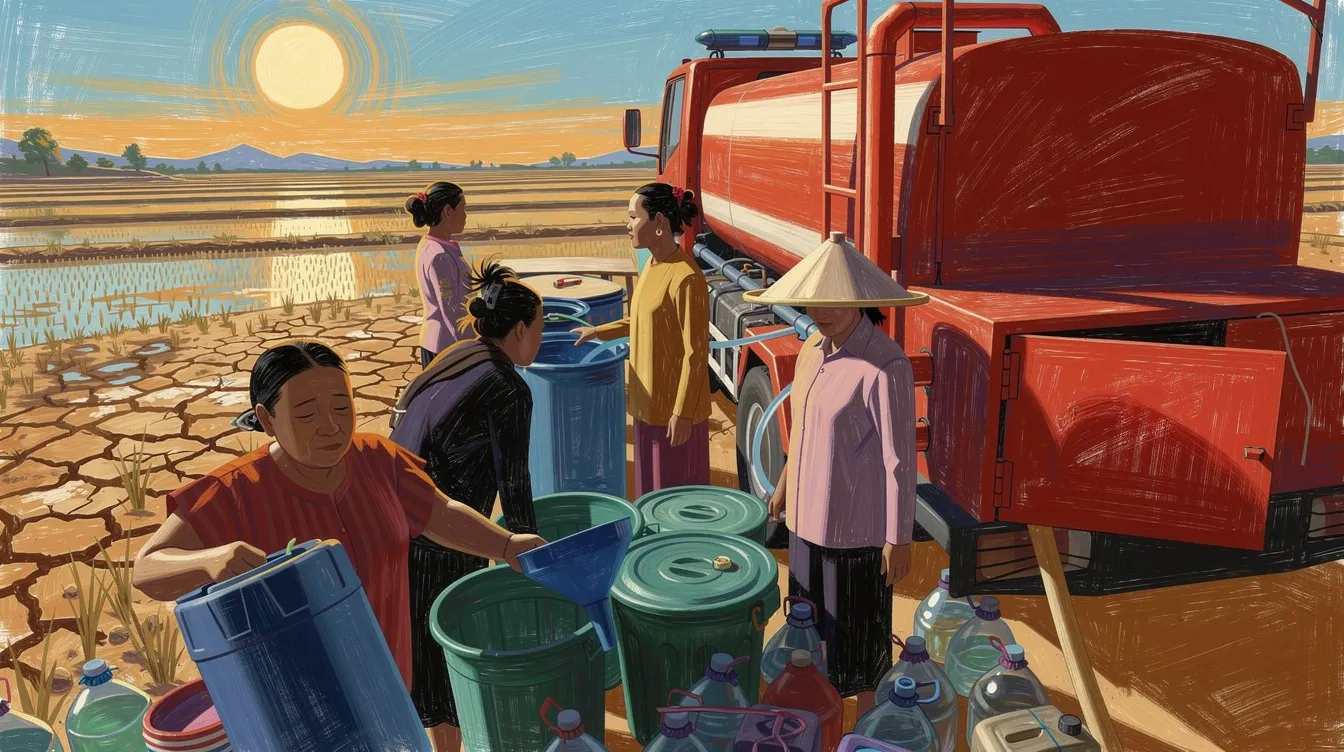
As the El Niño phenomenon develops, Thai rice production is already showing signs of stress, raising concerns about potential food supply disruptions. Reports indicate that the weather pattern, which is predicted to be among the strongest on record, is beginning to affect agricultural outputs in several countries near the equator, including Thailand.
According to the Nikkei Asia, Thai farmers are experiencing challenges related to water supply and crop yields due to the changing climate conditions. The Thai Meteorological Department has warned that the El Niño could lead to prolonged droughts, which may severely impact rice production, a staple food for the nation and a significant export commodity.
In fact, the Thai government has previously emphasized the importance of rice in its economy, with efforts to promote rice SMEs in international markets, particularly China. However, the current climatic challenges may hinder these initiatives. Analysts at the Ministry of Agriculture and Cooperatives have raised concerns about the potential for a decline in production levels if these weather patterns persist, which could affect both domestic consumption and export capabilities.
Furthermore, the situation is compounded by the fact that neighboring countries are also facing similar challenges. For instance, as reported by InsideASEAN, Cambodia is already grappling with the effects of El Niño, with farmers concerned about water shortages and crop failures. Cambodian farmers are particularly worried about the impact of rising temperatures and reduced rainfall, which could lead to significant agricultural losses.
Indonesian coverage of the El Niño situation has also highlighted the serious implications for agriculture, with reports indicating that the phenomenon could fuel drought conditions until early 2027. According to ANTARA, the Indonesian Meteorology, Climatology, and Geophysics Agency (BMKG) has warned that the intensity of El Niño has already surpassed strong levels, with predictions of prolonged dry spells affecting over half of the country's land area. This has raised alarms about the potential for significant impacts on rice yields in Indonesia, a country that also heavily relies on rice as a staple food.
While Thai coverage has focused more on immediate agricultural impacts and the need for government intervention to support farmers, Indonesian outlets have framed the issue within a broader context of climate resilience and long-term strategies to mitigate drought effects. BMKG emphasized the necessity for proactive measures across various sectors, including agriculture, to adapt to the anticipated challenges. They recommended that farmers adjust planting schedules and select drought-resistant crop varieties to cope with the harsher conditions ahead.
As the situation develops, stakeholders in Thailand's agricultural sector are urged to prepare for potential disruptions. The government may need to implement strategies to mitigate the effects of El Niño, such as enhancing irrigation systems and providing support to farmers facing crop losses. Meanwhile, the Indonesian government is also expected to take measures to address the anticipated challenges, reflecting a regional consensus on the urgency of the issue.
Both countries are facing a critical juncture as they navigate the challenges posed by El Niño. The Thai government's focus on immediate agricultural impacts contrasts with Indonesia's emphasis on long-term climate adaptation strategies, showcasing differing national priorities in addressing this regional crisis.