Cambodia
Cambodia Faces Challenges from El Niño: Heat and Drought Loom
With the onset of El Niño, Cambodia's agriculture and water supply are at risk, prompting concerns among farmers and officials.
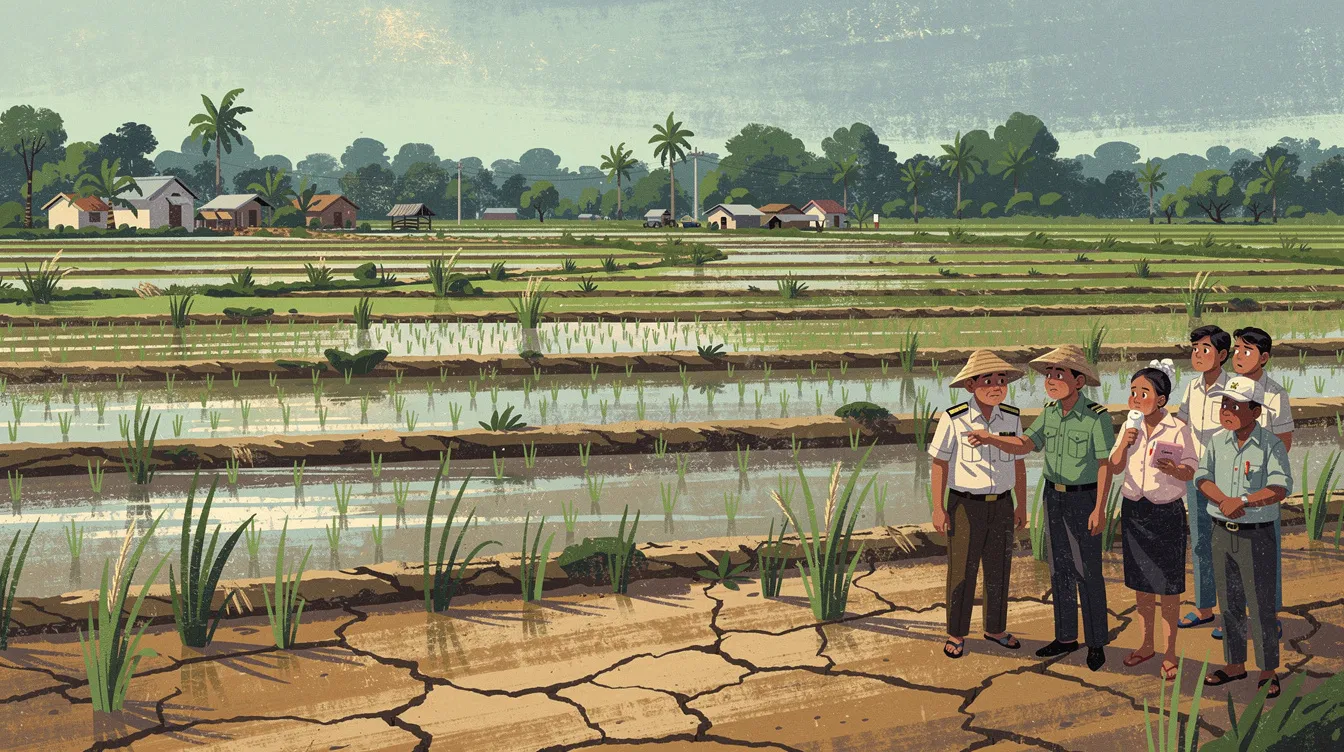
As El Niño conditions develop, Cambodia is bracing for significant impacts on agriculture and water supply. According to the Ministry of Water Resources and Meteorology, the country is expected to experience higher temperatures and reduced rainfall, which could lead to drought conditions. This situation poses a serious threat to the agricultural sector, which is vital for the livelihoods of many Cambodians.
Farmers across the country are expressing concern over the potential for crop failures due to insufficient water supply. The Cambodian Agricultural Research and Development Institute (CARDI) has noted that rice production, a staple crop, could be particularly affected. Officials are urging farmers to adopt water-saving practices and consider alternative crops that are more resilient to drought.
“Rice production could be particularly affected by the anticipated drought.”Cambodian Agricultural Research and Development Institute
In addition to agriculture, the impending drought could also impact the availability of drinking water. The Ministry of Rural Development has indicated that water supply systems in rural areas may face challenges if the dry conditions persist. This has raised alarms about the need for proactive measures to ensure that communities have access to sufficient water resources.
“We must adopt water-saving practices to mitigate the impact of El Niño.”Ministry of Water Resources and Meteorology
The government is working to implement strategies to mitigate the effects of El Niño, including improving irrigation systems and promoting sustainable farming practices. However, the effectiveness of these measures will depend on the severity of the weather patterns and the cooperation of local farmers.
In contrast, Indonesian coverage has stressed the broader regional implications of El Niño, noting that the phenomenon could exacerbate existing economic vulnerabilities in neighboring countries, including Cambodia. Reports from Indonesia highlight concerns that rising temperatures and drought could lead to increased food prices and heightened competition for water resources across ASEAN nations.
While Cambodian outlets focus on immediate agricultural and water supply challenges, they also reflect a sense of urgency regarding the country's economic stability. The International Monetary Fund (IMF) recently lowered its growth forecast for Cambodia to 3% for 2026, attributing this slowdown to rising energy prices and weaker tourism, which could be further impacted by climate-related disruptions. This context adds a layer of complexity to the local response to El Niño, as officials are tasked with balancing immediate agricultural needs with long-term economic resilience.
The IMF has noted that addressing climate resilience is crucial for Cambodia's future growth, emphasizing the need for structural reforms and improved governance to better prepare for such environmental challenges. As the situation develops, it is crucial for both officials and farmers to remain vigilant and adapt to the changing climate, ensuring that food security and water access are maintained.