ASEAN
Philippines Faces Energy Crisis Amid Global Volatility and El Niño
As rising energy costs and climate challenges converge, the Philippines grapples with an energy emergency declaration and potential food insecurity.
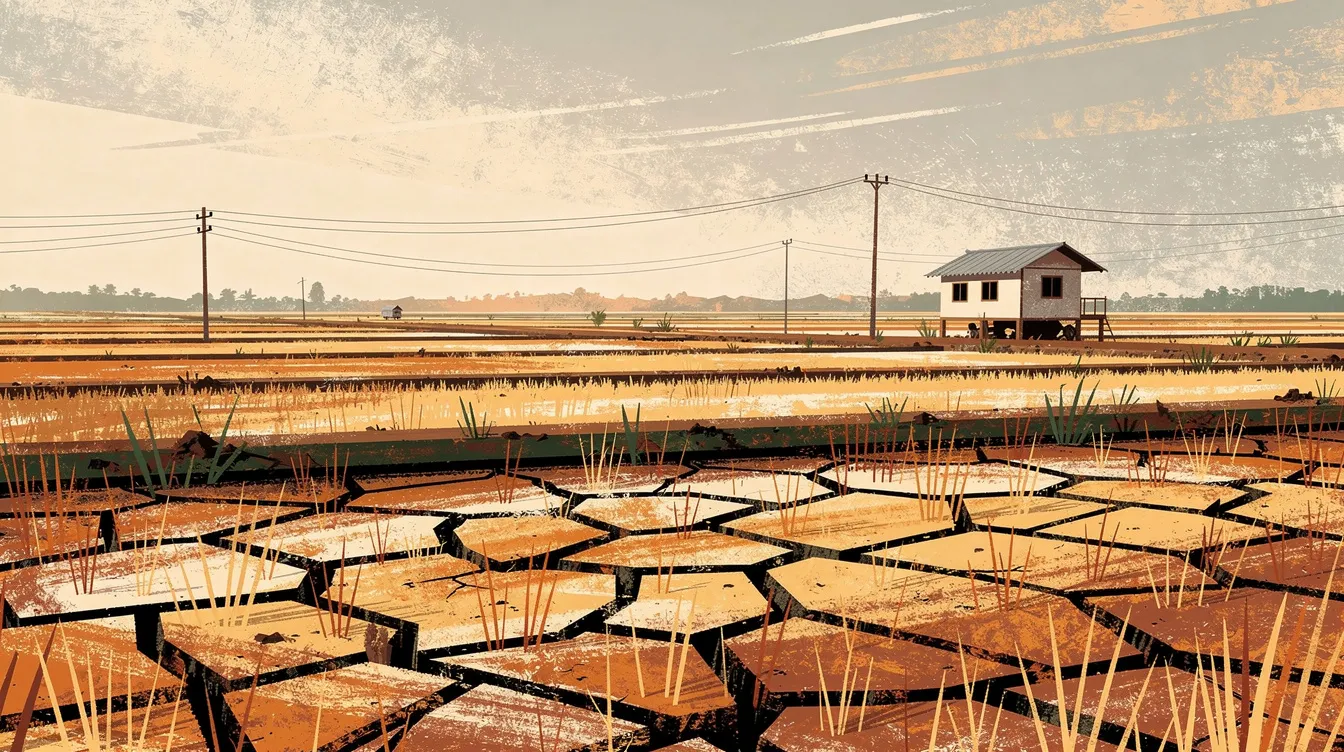
As the Philippines confronts escalating energy costs and the looming effects of El Niño, the government has declared a state of national energy emergency, a move that underscores the urgency of the situation. This declaration, formalized through Executive Order No. 110, was signed by President Ferdinand R. Marcos Jr. on March 24, 2026, in response to significant disruptions in global oil markets driven by geopolitical tensions in the Middle East, including hostilities involving the United States, Israel and Iran.
According to the Department of Energy (DOE), the declaration enables the government to implement coordinated measures to address imminent threats to the country's energy security. The DOE has mandated distribution utilities and local government units to expedite net metering applications, allowing households to install rooftop solar systems more swiftly. This initiative aims to reduce dependence on grid-supplied electricity and help consumers manage rising electricity costs, which have been exacerbated by international price volatility.
“The Philippines has everything it needs to power itself at lower cost—wind along its coasts, sunlight year-round, and geothermal energy beneath its soil.”Zafer Mustafaoğlu, World Bank Division Director
In a broader context, the United Nations Development Program (UNDP) has warned that developing countries, including the Philippines, are facing overlapping crises that could push many into financial distress. UNDP Administrator Alexander De Croo indicated that the current challenges are reminiscent of the pandemic period when debt payments were suspended for the poorest nations. He noted that rising borrowing costs and the strongest El Niño effect since 1950 could lead to increased food insecurity, potentially affecting an additional 49 million people globally by 2027.
As part of the government's response, the World Bank Group has approved financing aimed at enhancing energy and water security for millions of Filipinos. This financing is intended to lower electricity costs and promote the use of renewable energy sources, thereby reducing reliance on imported fossil fuels. Zafer Mustafaoğlu, the World Bank Division Director for the Philippines, emphasized that the country possesses abundant renewable energy resources that can be harnessed to provide reliable and affordable electricity.
“This is a significant issue that needs to be discussed.”George Gray Molina, UNDP Chief Economist
Despite these efforts, the economic landscape remains precarious. UNDP chief economist George Gray Molina highlighted that many governments are struggling to maintain fiscal stability as they roll back subsidies and tax relief measures that had previously kept energy prices manageable. The UNDP has reported that social unrest related to rising costs has already erupted in ten countries, indicating the potential for widespread discontent if conditions do not improve.