Philippines
Philippines Implements Incentives to Boost Electric Vehicle Manufacturing
President Marcos Jr. introduces a new strategy to attract investments in electric vehicle production, aiming to enhance local manufacturing capabilities.
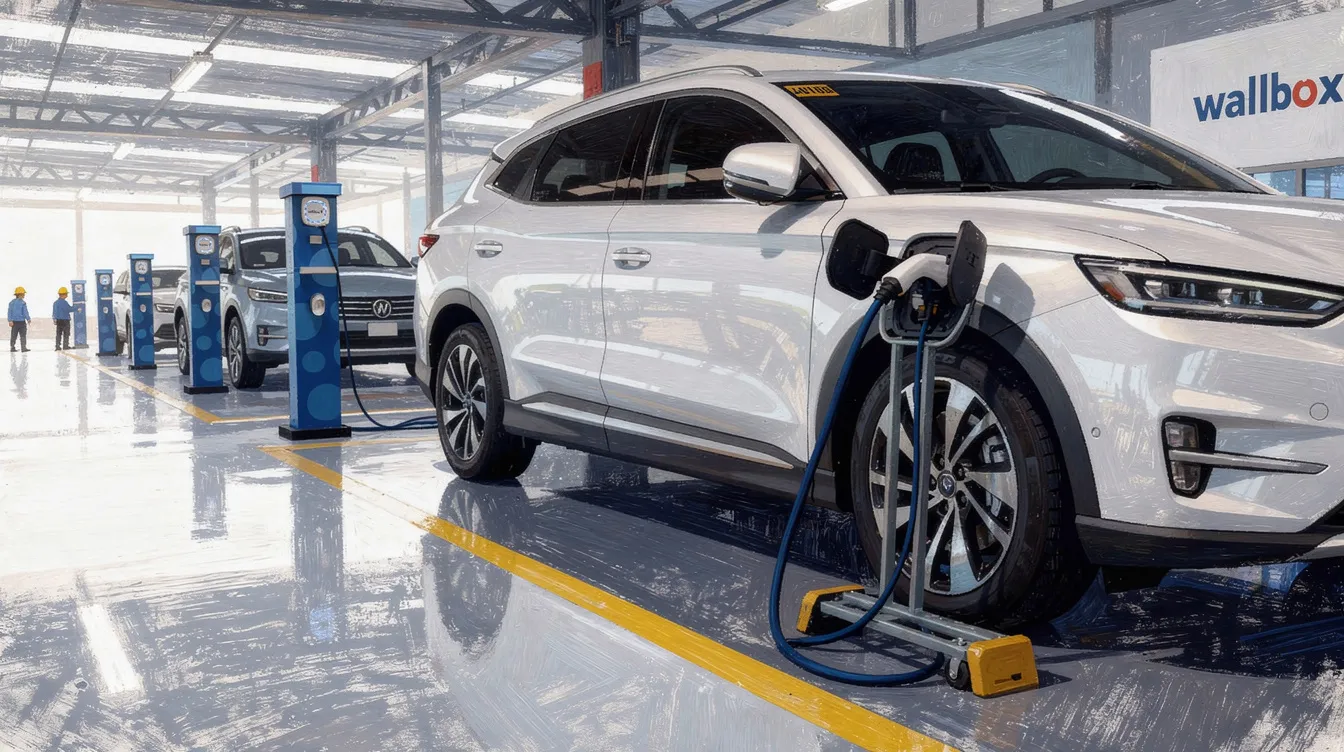
President Ferdinand R. Marcos Jr. has approved the Electric Vehicle Incentive Strategy (EVIS) program, aimed at stimulating investments in the local production of electric vehicles (EVs) and their components. This initiative is part of the government's broader strategy to enhance the Philippines' role within the regional EV supply chain, as outlined in Executive Order No. 121.
The EVIS program allocates a total of ₱60 billion in fiscal incentives, designed to narrow the cost gap between EVs and traditional vehicles. It also sets domestic production targets over the next eight years and encourages major automotive manufacturers to establish operations in the Philippines. According to the order, the program is expected to contribute to sustainable economic growth and bolster the country’s energy security and environmental objectives.
“Through this investment, we look forward to creating greater value for the Philippine economy, supporting the country’s sustainability objectives, generating opportunities across the automotive ecosystem, and contributing to the continued growth of local vehicle manufacturing.”Noriaki Hirakata, Chairman, Mitsubishi Motors Philippines Corp.
Malacañang officials emphasized that the EVIS program will create job opportunities across various sectors, from engineering to logistics. Presidential Communications Office Undersecretary Claire Castro noted that the initiative aims to attract new investments, strengthen local manufacturing, and reduce reliance on imported oil.
Under the EVIS, qualified manufacturers can register up to two EV models to receive tax payment certificates that can be used to cover taxes and duties. To qualify, companies must invest at least ₱5 billion in new capital and produce a minimum of 10,000 units within three years. They will also be eligible for fixed investment support (FIS) based on their capital expenditures: 40% for battery electric vehicles and 30% for hybrids, plug-in hybrids, and fuel cell vehicles.
Mitsubishi Motors Philippines Corp. (MMPC) has announced its participation in the EVIS program, backed by a ₱7 billion investment commitment from its parent company. MMPC Chairman Noriaki Hirakata stated that this investment will support the local production of hybrid EVs, thereby enhancing the country’s manufacturing capabilities and contributing to the automotive ecosystem.
“While fiscal incentives are important, the government must also address other factors that influence investment decisions across the automotive value chain.”Juan Paolo E. Colet, Managing Director, China Bank Capital Corp.
Industry analysts have expressed optimism regarding the new incentives. Juan Paolo E. Colet, Managing Director at China Bank Capital Corp., remarked that while fiscal incentives are crucial, the government must also address other investment factors such as competitive energy costs, access to skilled labor, and efficient infrastructure. The Chamber of Automotive Manufacturers of the Philippines Inc. reported a 132.7% year-on-year increase in EV sales as of June, indicating a growing market interest in electric mobility.
The Department of Trade and Industry, through the Board of Investments, will oversee the implementation of the EVIS program, ensuring that participants meet the established production targets and timelines. Companies that fail to introduce locally manufactured EV models or components within the specified period may face penalties, including the cancellation of their registration and the refund of fiscal incentives.