Indonesia
New Waste-to-Energy Facility in Bekasi Aims to Tackle Growing Trash Crisis
Indonesia's latest waste management initiative, a Rp 3 trillion facility in Bekasi, is set to convert 500,000 tons of waste into electricity annually.
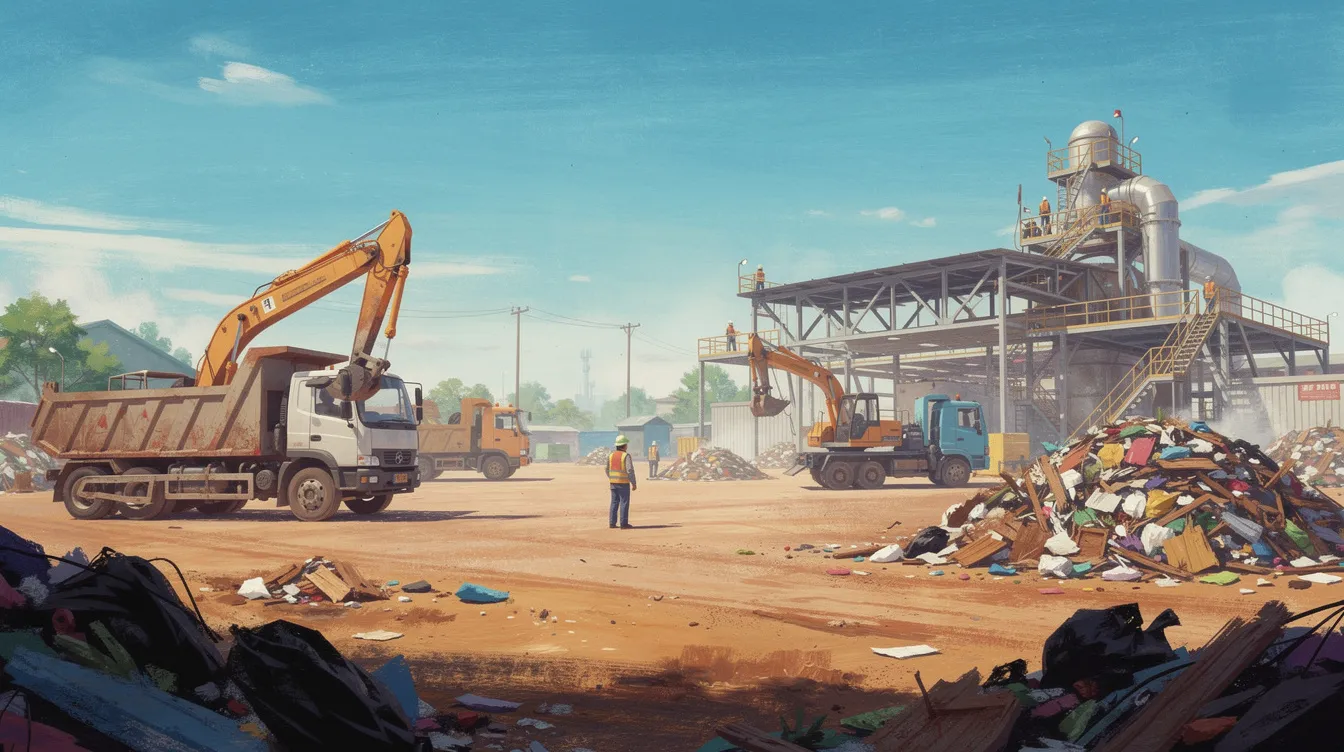
The Indonesian government is taking significant steps to address its growing waste crisis with the construction of a new waste-to-energy facility in Bekasi. Officially launched on August 26, 2026, this project has an estimated investment of Rp 3 trillion (approximately $200 million) and aims to process 500,000 tons of waste each year, representing about 70% of the city's total waste output.
According to Pandu Sjahrir, Chief Investment Officer of Daya Anagata Nusantara (Danantara), the facility is expected to begin operations by mid-2028. It will generate enough electricity to supply approximately 55,000 households in Bekasi, a city grappling with a daily waste generation of around 1,800 tons. Sjahrir mentioned that the initiative will help manage waste and provide a cleaner energy source for the community during the groundbreaking ceremony.
“This initiative will help manage waste and provide a cleaner energy source for the community.”Pandu Sjahrir, Chief Investment Officer, Danantara
The facility will utilize advanced technologies to convert waste into energy, aiming to reduce landfill use by up to 90% and cut carbon emissions by 640,000 tons annually. This aligns with Indonesia's broader environmental goals, as outlined in Presidential Regulation No. 109 of 2025, which emphasizes sustainable waste management practices.
Minister of Food Coordination Zulkifli Hasan highlighted the importance of waste segregation as a key strategy in managing the waste crisis. He remarked that segregating waste is simple yet crucial, and if everyone works together, the complex issue of waste can be tackled effectively. The government is also streamlining regulations to facilitate investments in renewable energy projects, reducing the number of regulatory hurdles from hundreds to just three main rules.
“Segregating waste is simple yet crucial. If we work together, we can tackle the complex issue of waste effectively.”Zulkifli Hasan, Minister of Food Coordination
This facility in Bekasi is part of a larger national strategy to develop waste-to-energy projects across Indonesia, with similar initiatives already underway in Denpasar and Bogor. The urgency of these projects is underscored by projections that nearly all landfills in Indonesia could reach overcapacity by 2028 if no significant interventions are made.
Local leaders, including West Java Governor Dedi Mulyadi, have expressed strong support for the facility, emphasizing the need for long-term solutions to the waste crisis. The collaboration between government and private sectors is seen as essential for achieving a cleaner, more sustainable environment.
In contrast, Cambodian media coverage has focused on the country's digital transformation priorities amid its own environmental challenges. While Cambodia is not directly involved in waste-to-energy initiatives like Indonesia, the emphasis on digital connectivity and economic value highlights a different approach to addressing national issues. The GSMA recently reported that 87% of Cambodian adults are now online, suggesting that the nation is shifting its focus from connectivity to leveraging technology for economic growth.
Julian Gorman, Head of Asia Pacific at GSMA, emphasized that Cambodia's next digital priority should be turning widespread connectivity into greater productivity and investment, particularly in sectors like agriculture and tourism. This focus on digital transformation contrasts with Indonesia's immediate environmental strategy, showcasing how each country is prioritizing different aspects of development in response to their unique challenges.
Overall, while Indonesia's waste-to-energy facility aims to address pressing environmental concerns, Cambodia's digital initiatives reflect a broader strategy to harness technology for economic advancement. Both countries are navigating their respective crises, but their approaches highlight differing national interests and priorities in the ASEAN region.