Indonesia
Indonesia Prepares 2 Million Hectares for E20 Bioethanol Program by 2028
The government targets to implement a 20% ethanol blend in gasoline, requiring extensive land development across several islands.
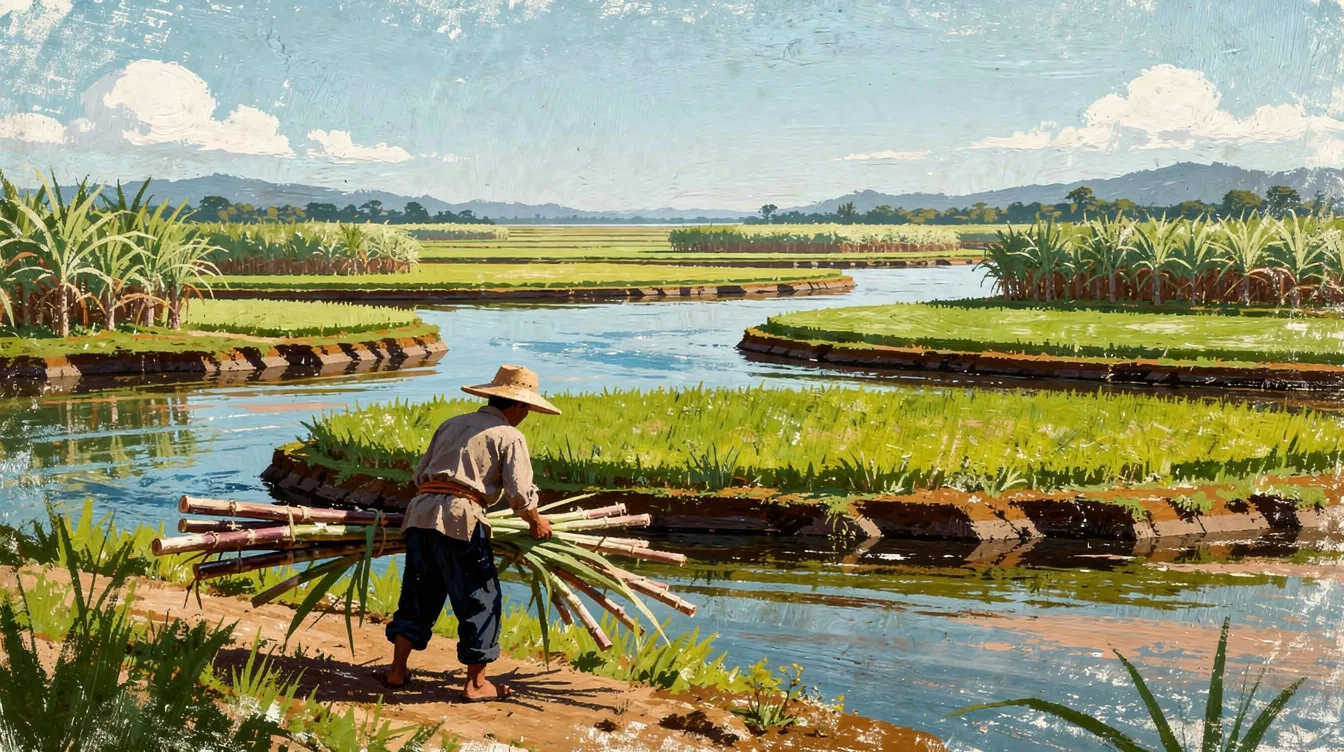
Indonesia's government is gearing up to implement a mandatory bioethanol blend of 20% in gasoline, known as E20, by 2028. This initiative requires the allocation of approximately 2 million hectares of land primarily for sugarcane cultivation, as announced during a recent meeting led by President Prabowo Subianto.
Menteri Koordinator Bidang Pangan Zulkifli Hasan (Zulhas) stated that this ambitious target was discussed in a limited meeting with President Prabowo and various ministers, including the Minister of Agriculture Andi Amran Sulaiman. The government is focusing on sugarcane as the primary feedstock for ethanol production, with plans to distribute the cultivation across Java, Sumatra, Kalimantan, and Papua.
Zulhas emphasized the need for a robust supply of land as a critical factor in achieving this goal. The government has already mapped potential land areas suitable for sugarcane cultivation, which will be crucial for meeting the projected demand for ethanol.
“In two years, we must work hard to produce at least E20.”Zulkifli Hasan, Minister of Food Coordination
According to Bahlil Lahadalia, the Minister of Energy and Mineral Resources, Indonesia's annual gasoline consumption is around 40 million kiloliters, necessitating about 4 million kiloliters of ethanol to meet the E20 requirement. This move is part of Indonesia's broader strategy to reduce dependency on imported fossil fuels and enhance energy sovereignty.
In support of this initiative, the Badan Pengelola Investasi Daya Anagata Nusantara (Danantara) will play a role in developing the ethanol processing industry. Zulhas mentioned that after successfully implementing E20, the government plans to gradually increase the ethanol blend to 50% (E50) in the long term.
Zulhas noted that this gradual increase aligns with the government’s objective to bolster domestic agricultural production and reduce reliance on imports.
“We are looking at a phased approach, starting with E20 and eventually moving towards E50.”Zulkifli Hasan, Minister of Food Coordination
Despite the optimistic outlook, challenges remain. The availability of suitable land for sugarcane cultivation has been identified as a potential bottleneck. However, Zulhas expressed confidence that the government can overcome this hurdle with careful planning and coordination among various stakeholders.
Moreover, the government is also exploring alternative feedstocks such as cassava and corn, although challenges related to mechanical harvesting of cassava have been acknowledged. The focus on sugarcane reflects its viability and the existing agricultural infrastructure that can support large-scale ethanol production.
As the government pushes forward with the E20 program, it aims to not only meet energy demands but also create economic opportunities within the agricultural sector. The initiative is expected to provide a significant boost to local farmers and contribute to the national economy by reducing fuel imports and promoting sustainable energy practices.