Indonesia
Indonesia Launches Ambitious 100 GW Solar Power Project
The initiative aims to reduce reliance on fossil fuels and enhance energy independence by 2029.
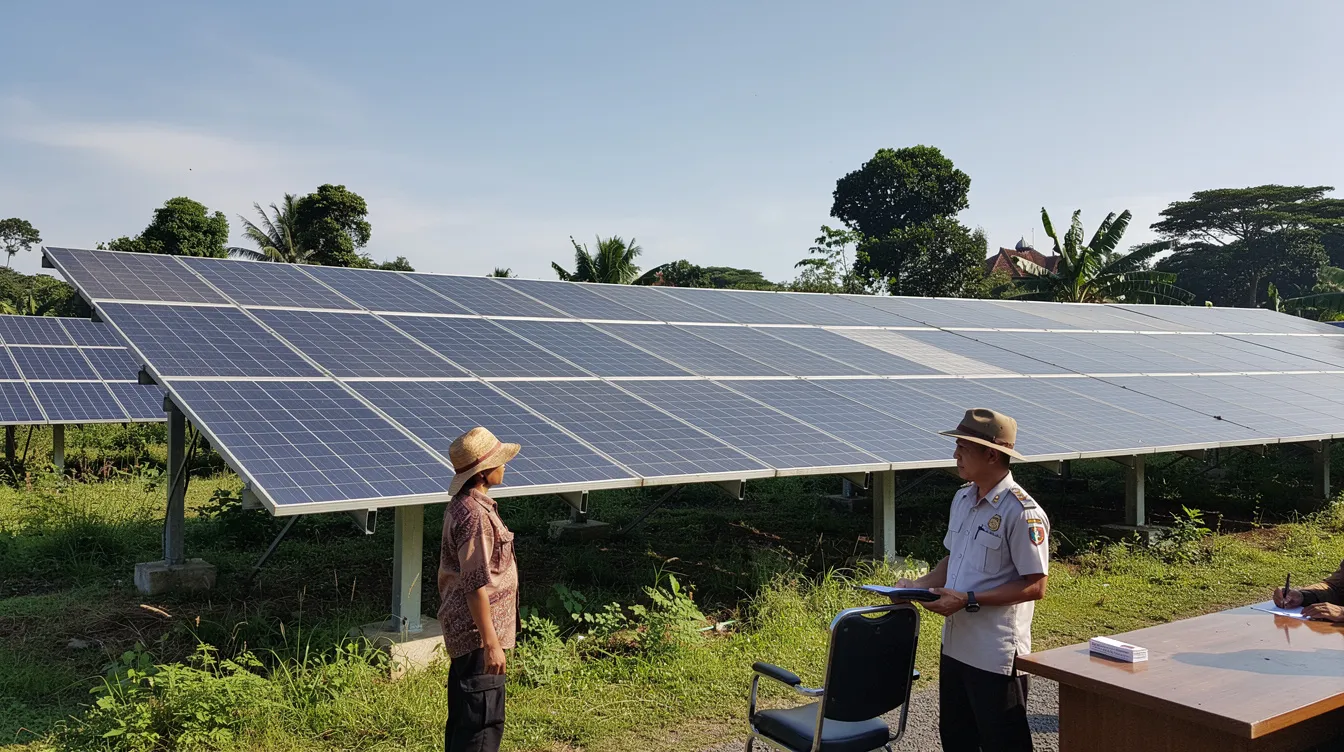
Indonesian President Prabowo Subianto inaugurated an ambitious program to develop 100 gigawatts (GW) of solar power capacity across the country, marking a significant step towards reducing the nation's reliance on fossil fuels and enhancing energy independence. The project, which is expected to require an investment of approximately $73 billion (around Rp 1,140 trillion), aims to transition from diesel-based energy sources to renewable solar energy.
During the groundbreaking ceremony held in Jembrana, Bali, President Prabowo emphasized the urgency of the initiative, stating that Indonesia would not import oil anymore. He challenged his ministers to expedite the project, aiming for completion in less than three years. Currently, Indonesia's total installed electricity capacity is approximately 88 GW, making the target of 100 GW a substantial leap forward.
“Indonesia would not import oil anymore.”Prabowo Subianto, President of Indonesia
The Minister of Energy and Mineral Resources, Bahlil Lahadalia, highlighted that the project could create around 5.52 million jobs and save the government approximately Rp 73.9 trillion ($4.8 billion) annually in energy subsidies. The first phase of the project will focus on installing 5.3 GW, with Bali set to receive 1 GW, integrating battery storage systems to enhance efficiency.
According to Bahlil, this solar initiative is part of Indonesia's broader strategy to achieve energy sovereignty and reduce greenhouse gas emissions by an estimated 140 million tons of CO2 per year. He noted that the country has significant solar potential, estimated at 3,294 GW, but currently only utilizes about 1.5 GW.
“The project could create around 5.52 million jobs and save the government approximately Rp 73.9 trillion annually in energy subsidies.”Bahlil Lahadalia, Minister of Energy and Mineral Resources
The project also aligns with Indonesia's commitment to achieving net-zero emissions by 2060 or sooner, as outlined in previous government plans. The roadmap includes a phased approach: Phase I will add 17 GW, Phase II will add 18 GW, and Phase III will add 30 GW by 2029.
Local stakeholders have expressed optimism regarding the project. The Institute for Essential Services Reform (IESR) emphasized that successful implementation will depend on the government's ability to establish a solid foundation for rapid and replicable execution. They also stressed the importance of prioritizing quick-win programs that can immediately reduce diesel consumption and improve access to clean electricity for communities.
“Successful implementation will depend on the government's ability to establish a solid foundation for rapid and replicable execution.”Institute for Essential Services Reform (IESR)
In addition to addressing energy needs, the solar power initiative is expected to empower local economies, particularly in remote areas, by integrating solar energy into productive uses such as cold storage and electric boat charging for fishermen. This approach reflects Indonesia's commitment to sustainable development and community cooperation, known locally as gotong royong.
As the government moves forward with this ambitious plan, it aims not only to position Indonesia as a leader in renewable energy but also to ensure that the benefits of this transition reach all segments of society.