Vietnam
Vietnam Extends Fuel Tax Breaks Amid Ongoing Energy Supply Challenges
The Vietnamese government has prolonged fuel tax exemptions until 2026 to mitigate inflation and support the economy amidst global energy disruptions.
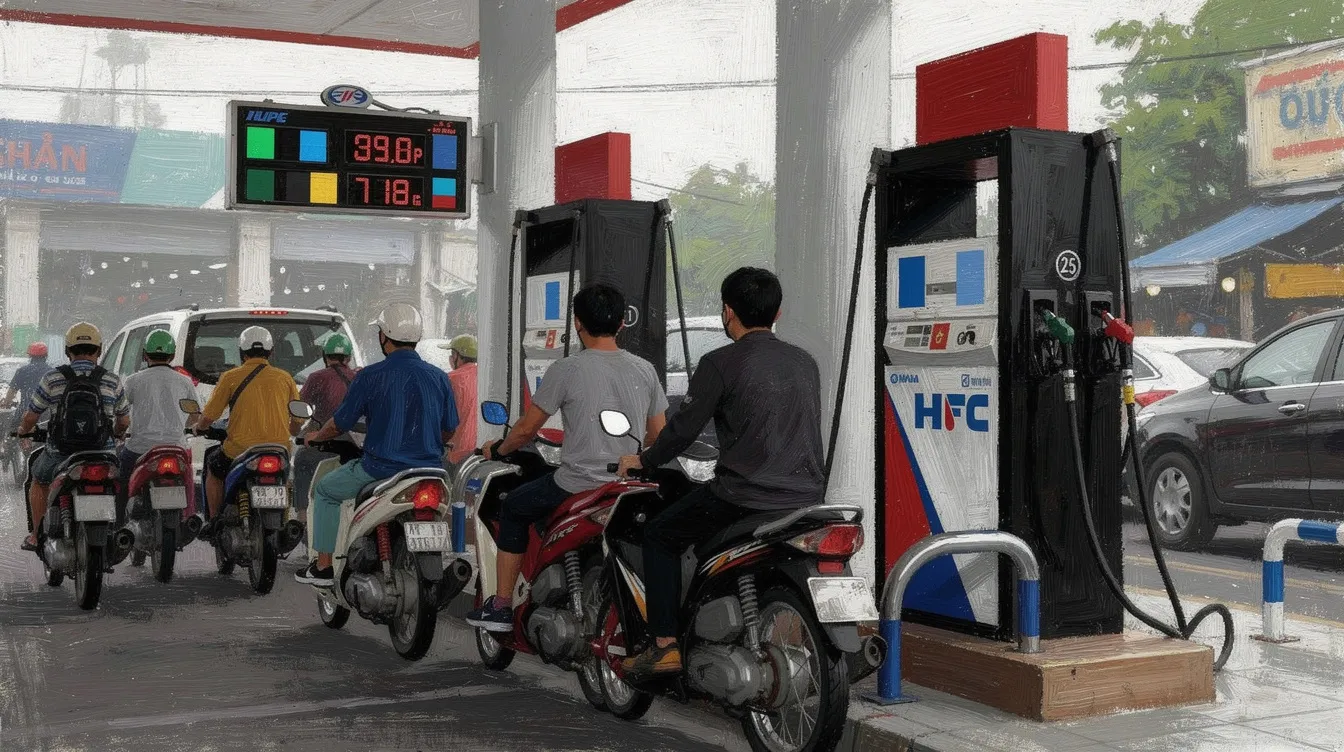
In response to ongoing global energy supply disruptions, particularly due to geopolitical tensions in the Middle East, Vietnam has extended its fuel tax breaks until the end of 2026. This decision aims to help contain inflation and support the economy, which has been under pressure from rising energy costs.
The revenue loss from these tax breaks is estimated to be significant in the fourth quarter of 2026. The tax exemptions include reductions in import duties for various fuel products, such as unleaded gasoline and diesel, which are crucial for both transportation and manufacturing sectors.
The government’s Resolution No. 43/2026/NQ-CP, effective from October 1, 2026, extends the provisions of previous resolutions aimed at easing the tax burden on fuel imports. Specifically, the import tax rate for unleaded gasoline has been reduced from 10% to 0%, while the tax on diesel and other fuels has also been eliminated. This is part of a broader strategy to ensure stable fuel prices and alleviate the financial strain on consumers and businesses alike.
Officials from the Ministry of Finance indicated that these measures are essential for maintaining economic stability in light of fluctuating global energy prices. The government has also emphasized the importance of these tax breaks in stabilizing the market and ensuring energy security as Vietnam continues to navigate the challenges posed by increased electricity demand and supply chain disruptions.
As Vietnam looks to bolster its energy security, the government is also exploring other avenues for sustainable energy development, including collaborations with international partners on liquefied natural gas (LNG) projects. This multifaceted approach aims to enhance the resilience of Vietnam's energy supply while addressing immediate inflationary pressures.