Singapore
Singapore's Manufacturing Output Grows 6.8% in July, Driven by AI Demand
Electronics and precision engineering sectors lead growth, despite declines in biomedical and chemicals manufacturing.
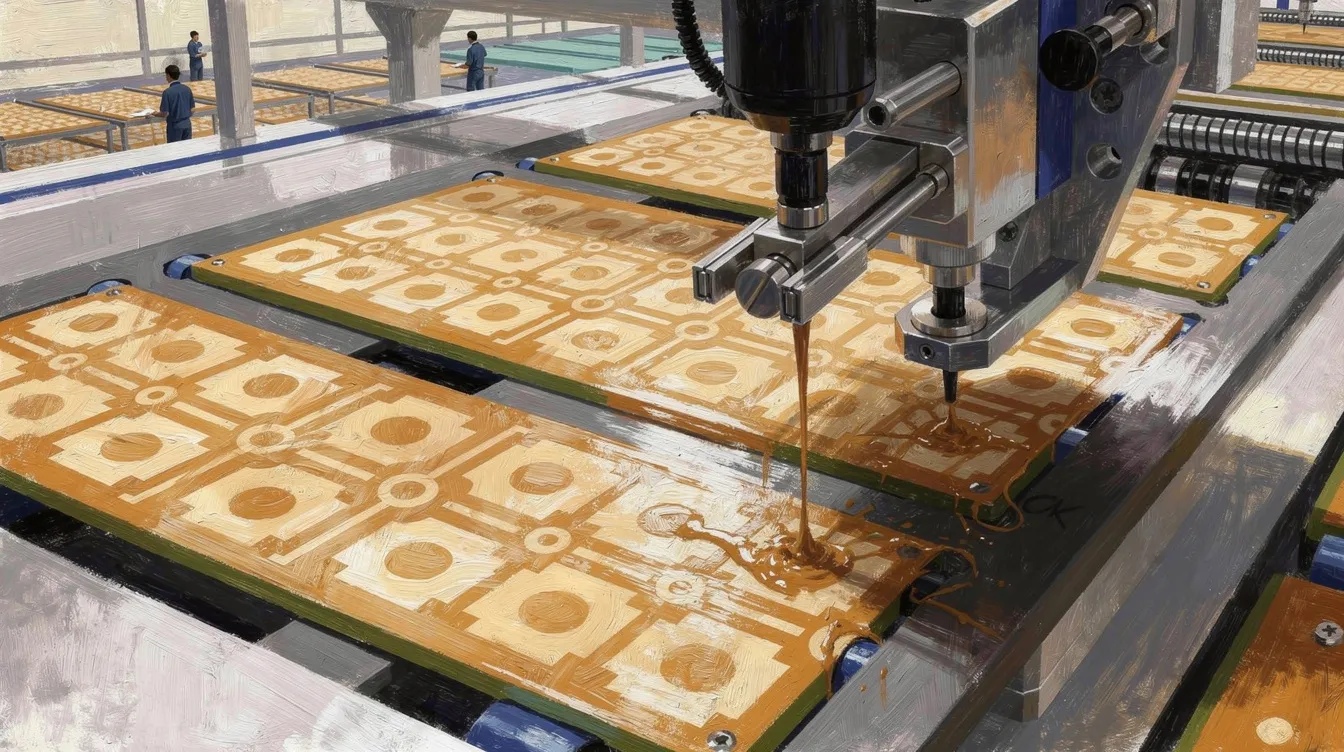
Singapore's manufacturing output expanded by 6.8% year-on-year in July, a slight moderation from June's revised growth of 7.5%, according to data from the Economic Development Board (EDB) released on August 26. This growth aligns with economists' expectations, who had forecasted a 6.8% increase in a Bloomberg poll.
When excluding the volatile biomedical manufacturing sector, total output increased by 8%, down from a revised 9.9% growth in June. On a seasonally adjusted monthly basis, output rose by 2.3% in July, rebounding from a 7% contraction in June. Notably, all manufacturing clusters recorded year-on-year growth in July, apart from the biomedical and chemicals sectors.
“We expect external demand for Singapore’s electronics and precision engineering exports to remain supported by substantial AI infrastructure investment.”Chua Han Teng, senior economist, DBS
The electronics cluster reported an 11.2% increase, although this was a decline from June's impressive 21.1% growth. The surge in electronics was primarily driven by infocomms and consumer electronics, which saw a remarkable growth of 51.7%, alongside an 8% increase in semiconductor output. Analysts from DBS noted that sustained demand in artificial intelligence (AI) continues to bolster this sector.
However, Standard Chartered economists Edward Lee and Jonathan Koh pointed out that the electronics output fell 3% month-on-month in July, marking the second consecutive decline. They cautioned that this trend may signal a moderation in the AI investment cycle, especially given the recent corrections in US semiconductor stocks. UOB associate economist Jester Koh noted that while AI-related demand remains robust, there are early signs of moderation.
“Two consecutive monthly declines in electronics output warrant monitoring, but strong order books suggest that external-sector momentum has further to run.”Edward Lee, chief economist, Standard Chartered
Despite these concerns, indicators suggest that underlying demand in the electronics sector remains healthy. The new-orders-to-finished-goods ratio in electronics rose to 1.08 in July, its highest level in over eight years, indicating a strong order pipeline. Koh pointed out that new orders in the electronics purchasing managers’ index continue to outpace output, suggesting potential support for production in the coming months as firms work to replenish inventories.
In the precision engineering cluster, output surged by 17.7%, driven by an 18.2% increase in the machinery and systems segment, largely due to higher production of semiconductor equipment. This cluster's performance highlights its critical role in Singapore's manufacturing landscape amid ongoing global AI infrastructure investments.
“The global AI hardware boom is unlikely to stall abruptly given the long lead times and sizeable sunk costs associated with data centre projects.”Brian Lee, economist, Maybank
Conversely, the chemicals cluster contracted by 10.6%, the steepest decline among all sectors, largely due to a significant drop in petrochemical production—down 48.7%—as well as a 7% fall in petroleum output. This decline was attributed to plant maintenance and supply disruptions, particularly influenced by geopolitical tensions in the Middle East.
The biomedical manufacturing sector also faced challenges, with output declining by 5.3%. The pharmaceuticals segment saw a 14.3% decrease, reflecting a shift in the types of active pharmaceutical ingredients being produced. Meanwhile, the medical technology segment dipped by 2.2% due to softer export orders for medical devices.