Singapore
Singapore's Economy Grows 5.9% in Q2, Forecast Upgraded Amid AI Boom
The Ministry of Trade and Industry raises Singapore's GDP growth forecast for 2026, citing strong AI-related demand driving economic expansion.
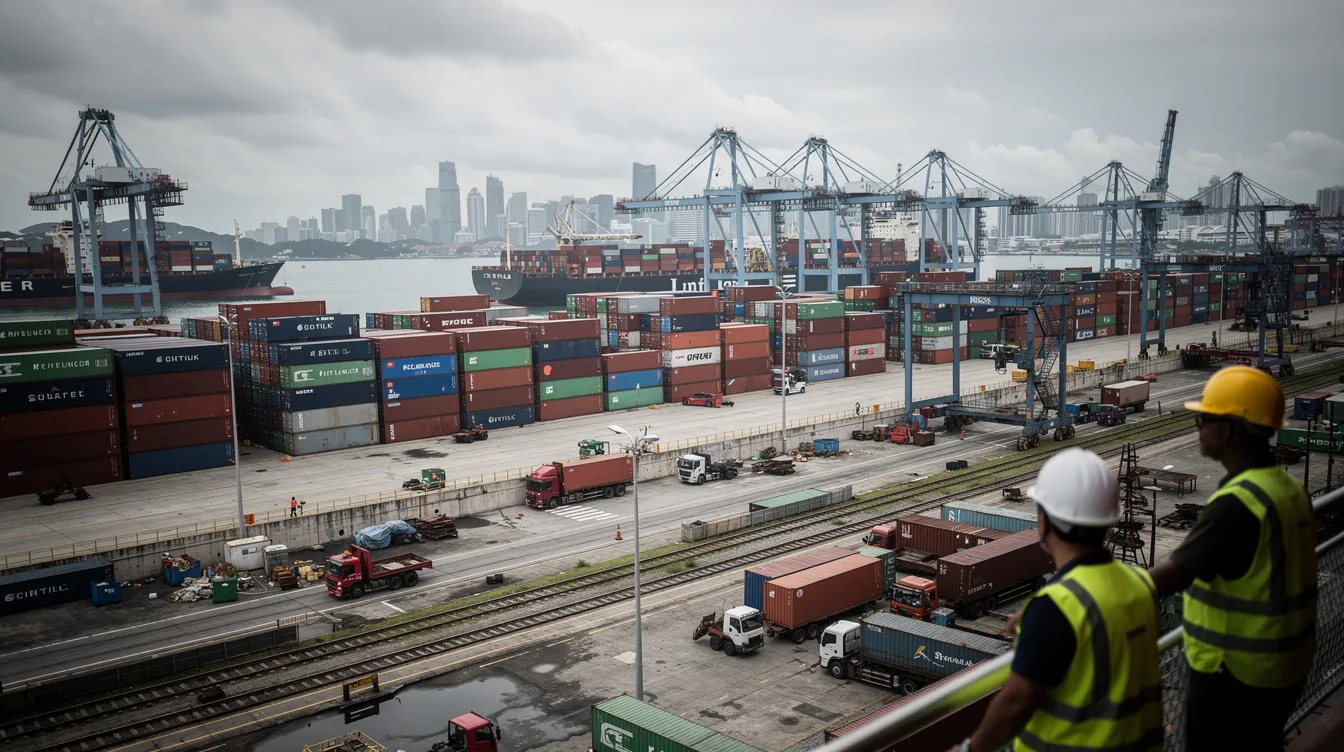
SINGAPORE — Singapore's economy recorded a growth of 5.9% in the second quarter of 2026 compared to the same period last year, according to the Ministry of Trade and Industry (MTI). This growth, although slightly down from 6.3% in the first quarter, reflects a robust performance driven by strong demand in the electronics sector, particularly related to artificial intelligence (AI) technologies.
The MTI has revised its full-year GDP growth forecast for 2026 to a range of 4.5% to 5.5%, up from an earlier estimate of 2.0% to 4.0%. This adjustment is attributed to better-than-expected economic performance in the first half of the year, where the economy expanded by 6.1% year-on-year.
“The acceleration in global AI-related capital expenditure is expected to lift the growth prospects of economies plugged in.”Ministry of Trade and Industry
Key sectors contributing to this growth include manufacturing, wholesale trade, and finance and insurance. Specifically, manufacturing output surged by 12.5% year-on-year, driven by heightened global demand for AI-related semiconductors, including networking and memory chips. The wholesale trade sector also saw an 8.3% increase, buoyed by machinery and equipment sales. The finance and insurance sector grew by 6.2%, supported by strong credit growth and increased fee-generating activities in banking.
However, the food and beverage services sector faced challenges, contracting by 1.5% year-on-year. This decline is partly attributed to a rise in outbound travel by locals and a decrease in visitor arrivals, which has impacted local spending.
“The risks include rising inflation and tightening global financial conditions, which could suppress global growth.”Ministry of Trade and Industry
The MTI noted that while the impact of geopolitical tensions in the Middle East has been less severe than initially feared, ongoing conflicts could still lead to volatility in energy prices and inflationary pressures. The ministry mentioned that the risks include rising inflation and tightening global financial conditions, which could suppress global growth.
In contrast to Singapore's optimistic outlook, Indonesian media coverage has emphasized the potential risks associated with Singapore's economic reliance on AI technologies. Indonesian outlets highlighted concerns that Singapore's growth may not be sustainable, particularly if global demand for AI-related products fluctuates. This perspective suggests a more cautious view of the AI boom's long-term impact on economic stability.
Moreover, Singapore's economic performance has been buoyed by companies like AEM, a semiconductor test-equipment maker that reported a staggering tenfold increase in net profit for the first half of 2026, reaching S$31 million. This surge was driven by demand from AI chipmakers, showcasing the direct benefits of the AI boom on local businesses. AEM's revenue also grew by 30% to S$247.2 million, indicating a strong market for AI-related technologies.
As Singapore continues to position itself as a key player in the AI-driven market, the MTI expressed optimism that the acceleration in global AI-related capital expenditure will support economic prospects for the remainder of the year. However, the differing narratives from Singapore and Indonesia highlight the complexities of regional economic interdependence and the varying interpretations of growth driven by technological advancements.