Philippines
Philippines Maintains Upper-Middle-Income Status Amid Economic Reforms
Officials express confidence in sustaining economic growth despite challenges.
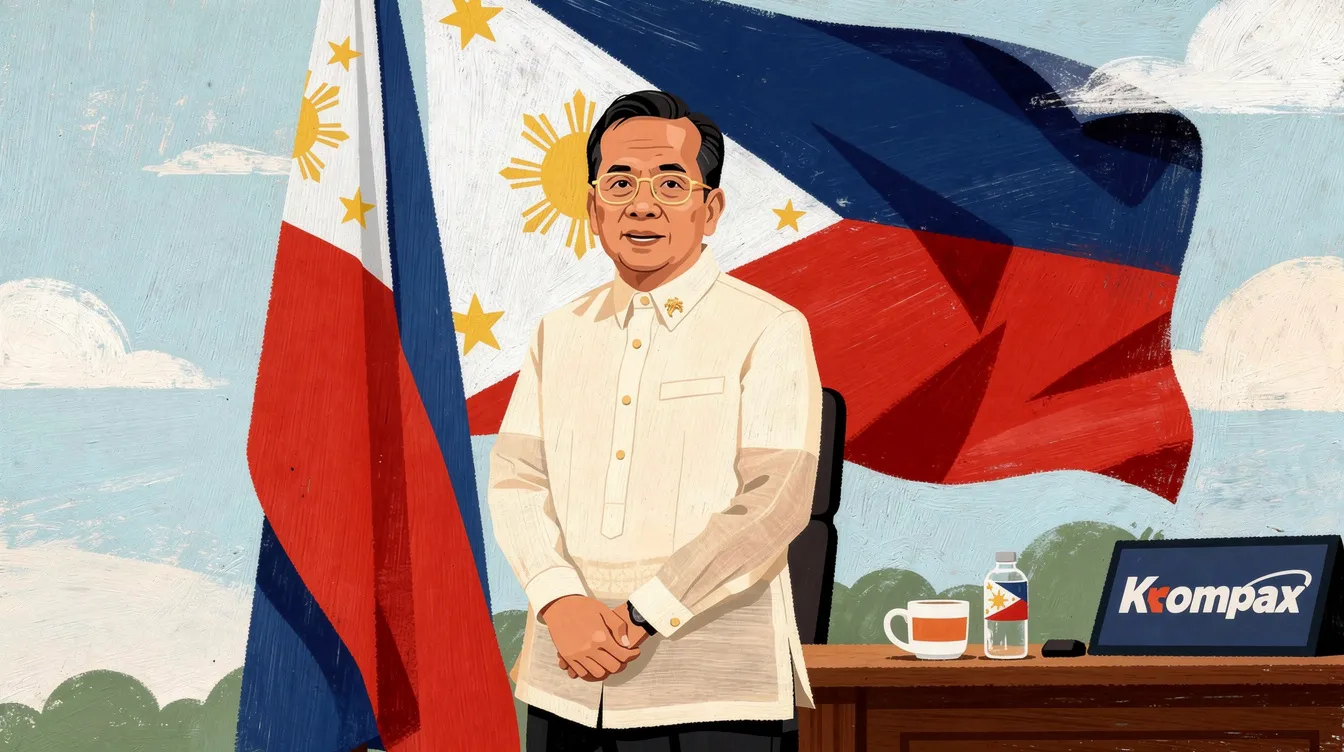
The Philippines is poised to maintain its newly acquired upper-middle-income status, with government officials asserting that the likelihood of reverting to lower-middle-income classification is minimal. Socioeconomic Planning Secretary Arsenio Balisacan emphasized that a severe decline in the political economy would be necessary for such a reversal, which he does not foresee.
According to the World Bank, the Philippines achieved upper-middle-income status after its gross national income (GNI) reached $4,850 in 2025, surpassing the threshold of $4,636. Balisacan attributed this progress to structural reforms implemented across multiple administrations, which have fostered a more open and investment-friendly economy.
“If there is one thing that we have learned over the last three decades or so, it is that regardless of the political noises, we haven’t really reversed good economic reforms.”Arsenio Balisacan, Socioeconomic Planning Secretary
“If there is one thing that we have learned over the last three decades or so, it is that regardless of the political noises, we haven’t really reversed good economic reforms,” Balisacan stated. He noted that the government aims to expand the middle-income population by 2040, aspiring for a society where a larger segment of the population enjoys a stable and comfortable life.
Despite the optimism surrounding the country’s economic status, Balisacan acknowledged that the benefits of this classification are not yet universally felt among Filipinos. He stressed the need for a nuanced understanding of the current economic landscape, particularly as the nation navigates immediate challenges.
“Our task now is to restore a higher and more sustainable growth path.”Arsenio Balisacan, Socioeconomic Planning Secretary
Looking ahead, the government’s priorities for the latter half of 2026 include restoring public confidence and bolstering economic growth through accelerated infrastructure projects and enhanced private sector involvement. Balisacan highlighted that faster project implementation is crucial for stimulating economic activity, improving connectivity, and creating quality jobs.
“Our task now is to restore a higher and more sustainable growth path,” he remarked, emphasizing the importance of productivity, innovation, and resilience in expanding opportunities for all Filipinos.