Philippines
Philippines Achieves Historic Low Poverty Rate of 9.7% in 2025
The Philippine Statistics Authority reports a significant decline in poverty, but challenges remain for millions at risk of sliding back.
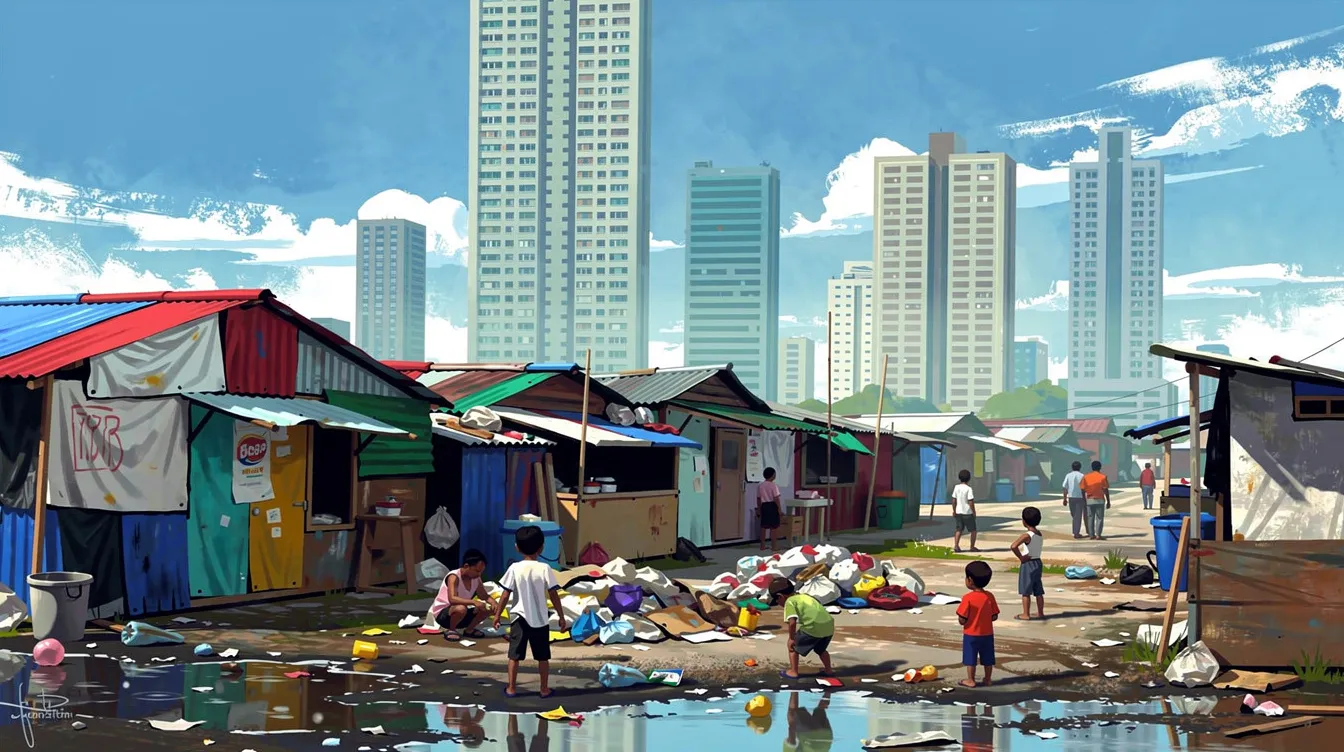
In a significant development for the Philippine economy, the poverty rate has fallen to a record low of 9.7% in 2025, according to data released by the Philippine Statistics Authority (PSA). This translates to approximately 11 million Filipinos living below the poverty line, a substantial decrease from 17.5 million in 2023. Officials noted the impact of expanding economic opportunities and effective social protection programs.
Arsenio Balisacan, Secretary of the Department of Economy, Planning, and Development (DEPDev), emphasized the importance of this achievement, stating that for the first time, fewer than one in ten Filipinos is living below the poverty line. He added that reaching this milestone ahead of schedule demonstrates that expanding economic opportunities, complemented by effective social protection, can make a meaningful difference in people’s lives.
“For the first time, fewer than one in ten Filipinos is living below the poverty line.”Arsenio Balisacan, Secretary of DEPDev
The PSA attributes the decline in poverty incidence to a notable increase in household incomes, which grew at a rate significantly faster than the cost of meeting basic needs. Mean annual per capita income rose to P104,072 in 2025, while the annual per capita poverty threshold was P35,121. This disparity indicates that income growth has been broadly inclusive, benefiting households across various income levels.
Despite this progress, analysts caution that many Filipinos remain precariously close to the poverty line, with around 28% living just above it. Balisacan warned that external shocks, such as natural disasters or economic downturns, could easily push these vulnerable households back into poverty. Jaffar Al-Rikabi, a senior country economist at the World Bank, mentioned that without government interventions, nearly 2 million people could have fallen into poverty due to recent economic pressures.
The Philippine economy is currently facing challenges, including rising inflation and slower GDP growth, which were particularly pronounced in the second quarter of 2026. Inflation has surged due to increased costs of food, fuel, and electricity, prompting economic managers to revise their growth targets downward. The government is now aiming for a growth rate of only 3.5% to 4.5% for 2026, a significant reduction from previous forecasts.
“Our overall assessment is that this has been a sound response helping to shield millions from poverty.”Jaffar Al-Rikabi, Senior Country Economist, World Bank
In light of these challenges, Balisacan highlighted the need for sustained efforts to ensure that families who have recently moved out of poverty do not regress. He stated that sustaining these gains will require a recovery in economic growth, increased investment, higher productivity, and job creation. The government has implemented various programs aimed at narrowing income gaps, including the Pantawid Pamilyang Pilipino Program and the Tulong Panghanapbuhay sa Ating Disadvantaged/Displaced Workers (TUPAD) initiative.
As the Philippines celebrates this historic achievement, the focus now shifts to ensuring that the gains made in poverty reduction are resilient and sustainable in the face of ongoing economic challenges.
In contrast, Indonesian media coverage of poverty reduction highlights the broader regional implications of the Philippines' achievement. Outlets such as ANTARA and CNBC Indonesia stress the significance of this milestone not just for the Philippines but for Southeast Asia as a whole, framing it as a potential model for Indonesia, which continues to grapple with its own poverty challenges. Indonesian Foreign Minister Sugiono noted that the Philippines’ progress could inspire collaborative efforts in poverty alleviation across ASEAN nations.
While the Philippines emphasizes the importance of domestic economic policies in achieving this milestone, Indonesian coverage highlights the need for regional cooperation and shared strategies to combat poverty. Sugiono remarked that Indonesia is keen to learn from the Philippines' experience, particularly in implementing effective social protection programs and boosting household incomes.
Furthermore, Indonesian outlets have pointed out that despite the Philippines' advancements, the region still faces significant challenges, including climate change and economic vulnerabilities that could threaten poverty reduction efforts. This perspective underscores a collective regional concern that resonates with many Indonesians who fear that similar setbacks could occur in their country if proactive measures are not taken.
As both nations navigate their respective economic landscapes, the contrasting narratives reveal a shared commitment to addressing poverty, while also highlighting the unique challenges each country faces in this ongoing struggle.