Philippines
Bridging Generations: The Impact of Agricultural Scholarships in the Philippines
The Scholarship Program for the Dependents of Agrarian Reform Beneficiaries (SP-DARB) is reshaping the future of agriculture by empowering youth like Art Anthony Lumogdang.
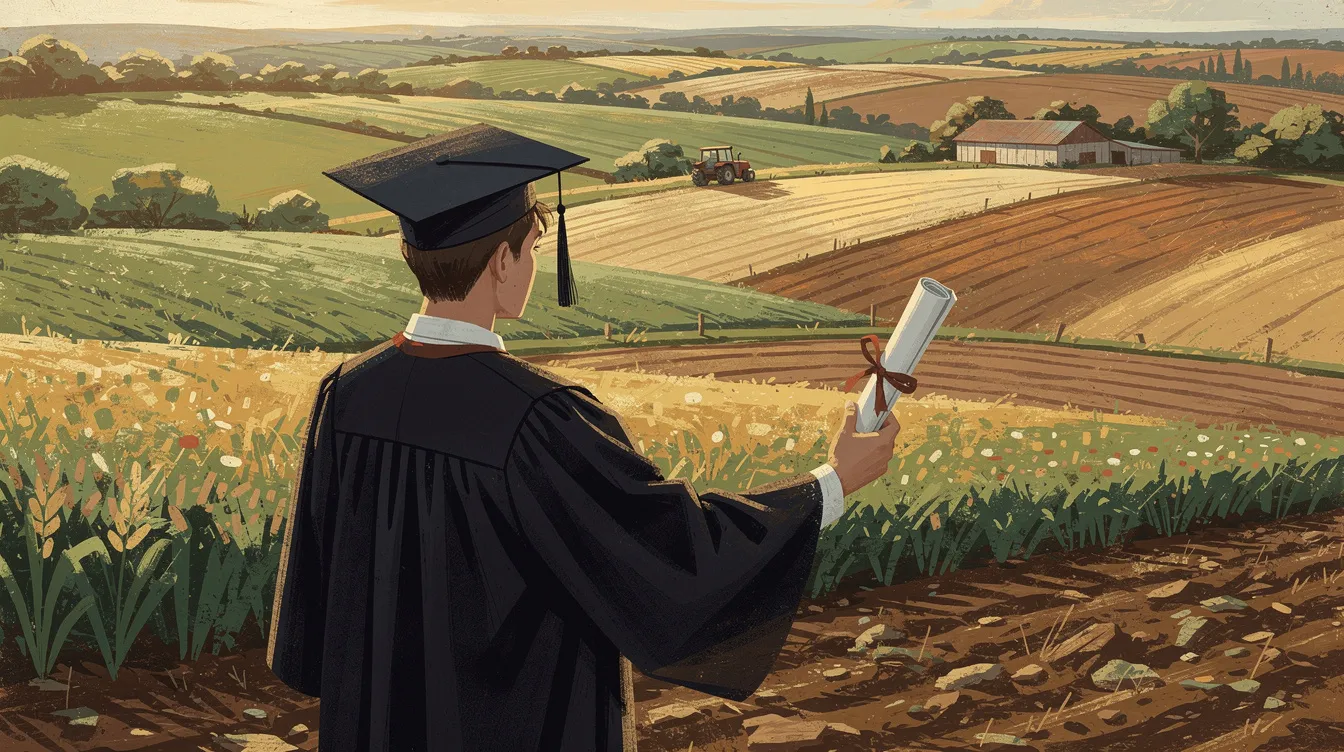
Every morning at 5 a.m., the aroma of caramelized sugar and fried bananas permeates the air in Barangay Ranzo, Carmen, Cotabato. For Art Anthony Lumogdang, this scent is a reminder of his parents' sacrifices as they worked tirelessly to support his education. His father, Jun Art, carried heavy loads of bananas from their farm, while his mother, Annabelle, prepared snacks to sell at a nearby school. These efforts funded Lumogdang's daily expenses at the University of Southern Mindanao (USM), where he pursued a degree in agriculture.
Despite the financial struggles that plagued his family, Lumogdang graduated from the USM College of Agriculture in 2025. He credits the Scholarship Program for the Dependents of Agrarian Reform Beneficiaries (SP-DARB) for his academic success, which provided essential financial support and allowed him to focus on his studies rather than worry about tuition fees. Lumogdang mentioned that the scholarship was the bridge that prevented his education from being weathered by financial storms.
The SP-DARB initiative, administered by the DAR, aims to support the children of agrarian reform beneficiaries by offering semestral stipends and allowances for thesis projects. This program is critical as the Philippines faces an aging farmer demographic, with the average age of farmers between 55 and 59 years old. Without interventions like SP-DARB, the future of the agricultural sector could be jeopardized, as rural youth increasingly migrate to urban areas in search of better opportunities.
“Lumogdang mentioned that the scholarship was the bridge that prevented his education from being weathered by financial storms.”Art Anthony Lumogdang, licensed agriculturist
According to the DAR, initiatives such as SP-DARB are not merely educational programs; they are essential for national survival in a country where food security is at stake. By investing in the education of young farmers, the government is fostering a new generation of agricultural leaders equipped with modern techniques and business acumen. These scholars are trained in areas such as climate-resilient farming and digital soil mapping, which are vital for transforming traditional farming into a viable career path.
In addition to SP-DARB, other programs like the Educational Assistance for the Youth (EAsY Agri) and various scholarships offered by the Technical Education and Skills Development Authority (TESDA) further support the engagement of youth in agriculture. TESDA has introduced training courses aimed at modern rice farming and agro-entrepreneurship, encouraging young Filipinos to pursue careers in agriculture.
“He noted that before enrolling in agriculture, his only goal was to finish school, but he realized he shouldn’t just graduate; he should give back. His work now is a way to help farmers and planters.”Art Anthony Lumogdang, licensed agriculturist
As Lumogdang reflects on his journey, he emphasizes the importance of giving back to the community. He noted that before enrolling in agriculture, his only goal was to finish school, but he realized he shouldn’t just graduate; he should give back. His work now is a way to help farmers and planters. This sentiment encapsulates the ethos of bayanihan, a Filipino concept of communal unity and support.
Today, as a licensed agriculturist and researcher specializing in horticulture, Lumogdang embodies the potential of agricultural education to break the cycle of poverty in rural communities. His story serves as a testament to the impact that targeted academic support can have on the agricultural sector, ultimately contributing to the Philippines' food security.
As the government continues to sow the seeds of education, the hope is that more young Filipinos will return to their ancestral lands, not out of obligation, but with the knowledge and skills to innovate and thrive in the agricultural landscape.