Philippines
Philippine Space Mango Program: Dried Mango for Future Astronauts
The DOST explores the Carabao mango as a food source for Filipino astronauts, aiming to blend nutrition with cultural identity.
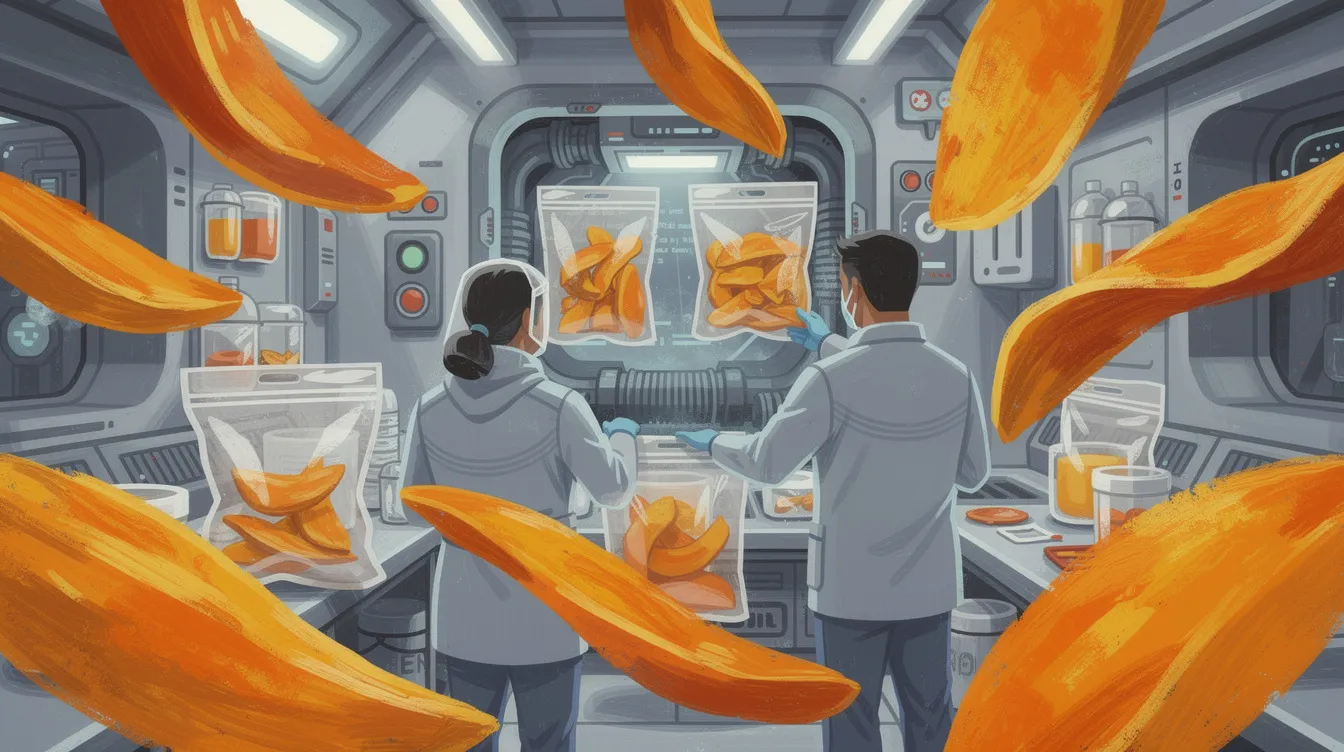
The Department of Science and Technology-Philippine Nuclear Research Institute (DOST-PNRI) is investigating the potential of the Carabao mango, the Philippines' national fruit, as a food source for future Filipino astronauts. This initiative, part of the Philippine Space Mango Program, aims to create a dried mango product suitable for long-duration space missions and other challenging environments.
Project leader Gina Abrera emphasized the importance of cultural representation, stating, "We want a product that can travel far, represent our identity, and remind future astronauts of home." The initiative not only focuses on nutritional value but also seeks to provide comfort and a sense of belonging for astronauts who may be away from home for extended periods.
“We want a product that can travel far, represent our identity, and remind future astronauts of home.”Gina Abrera, project leader, DOST-PNRI
This collaborative effort involves several key partners: the University of the Philippines Diliman, which provides food science expertise; the Philippine Space Agency, ensuring alignment with the national space roadmap; and the Batangas Mango High Value Growers Agriculture Cooperative (Bamahgaco), which represents local mango farmers. Together, these organizations aim to explore the feasibility of developing the Carabao mango into a space-friendly food product.
The Philippine Space Mango Program will be highlighted during the upcoming National Science, Technology, and Innovation Week (NSTW) scheduled for November 25–29, 2026, in General Santos City. This annual event showcases the country’s scientific and technological advancements and promotes collaboration among various stakeholders in the field of science and technology.
“That person will need food that reminds them of home.”Gina Abrera, project leader, DOST-PNRI
As part of its broader objectives, the program is also expected to support the Philippine dried mango industry, enhancing its competitiveness in international markets. Additionally, it aims to develop food solutions for emergency and disaster-response situations, showcasing the versatility and resilience of local agricultural products.
By 2035, the Philippines aims to send its first astronaut into space, making the development of culturally significant and nutritious food products a priority. Abrera noted, "That person will need food that reminds them of home," highlighting the emotional connection that food can foster even in the most distant environments.