Philippines
From Insurgency to Agriculture: A Higaonon Leader's Transformation
Datu Lino Namatidong's shift from armed struggle to sustainable farming highlights the Philippine government's peace initiatives and broader economic goals.
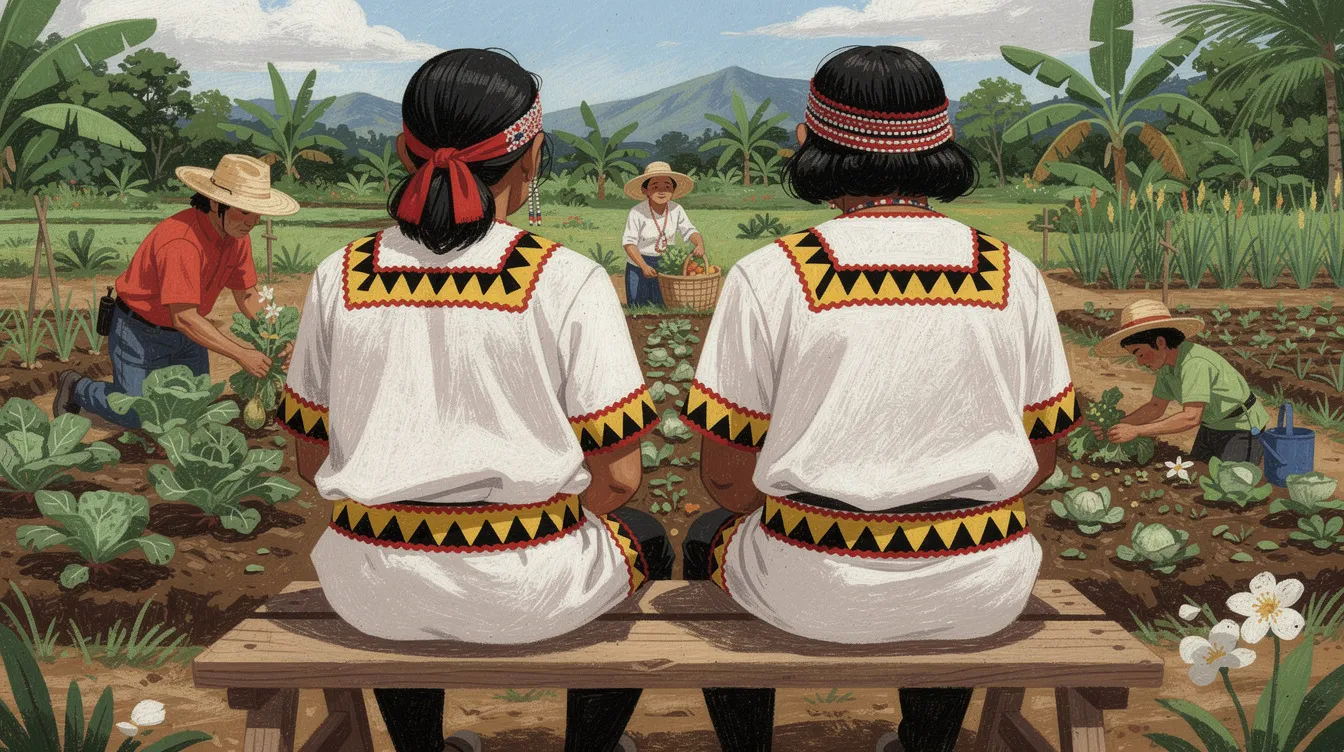
In a remarkable transformation, Datu Lino Namatidong, formerly known as "Kumander Dahon" within the communist insurgency, has shifted his focus from armed struggle to sustainable agriculture. This change has positively impacted over 100 families of the Higaonon tribe in Sitio Ilaw-ilaw, Barangay Lawan-lawan, Las Nieves, Agusan del Norte. Namatidong's journey reflects the broader implications of the Philippine government's Enhanced Comprehensive Local Integration Program (Eclip), which aims to reintegrate former rebels into society.
Namatidong's involvement with the New People’s Army (NPA) began in 1979, and after a brief period of surrender in 1994, he returned to the mountains due to lack of support and ongoing threats. His return to armed conflict was marked by personal tragedy, including the loss of a son in combat. However, in 2023, after witnessing the benefits experienced by other former rebels, he decided to formally surrender once more, stating that he felt it was time to settle down and live peacefully, as his family was tired, and so were the communities in their ancestral domain, weary from these conflicts.
Under Eclip, Namatidong and his group received substantial support, including P50,000 for squash production and P65,000 for individual banana projects, as well as a three-wheeled vehicle for transport. They have since cleared 30 hectares for farming, focusing on squash due to its quick harvest cycle. By late 2025, their efforts yielded significant income from their first squash harvest, with plans to expand their operations further.
The Eclip initiative has been pivotal in addressing the underlying causes of insurgency, such as poverty and social exclusion. According to the National Task Force to End Local Communist Armed Conflict, the program is designed to provide comprehensive assistance, including financial aid, livelihood grants, and housing support, to facilitate the reintegration of former rebels. The collaborative efforts of various government agencies have ensured that the benefits of this program are felt immediately within communities.
“I told myself it was time to settle down and live peacefully. My family was tired, and so were the communities in our ancestral domain, weary from these conflicts.”Datu Lino Namatidong, Higaonon tribe leader
As part of their reintegration, Namatidong's group has also received training from the Department of Agriculture and the Technical Education and Skills Development Authority (TESDA) on agricultural production and value-adding techniques. They are now preparing to venture into producing squash noodles and banana chips, diversifying their income sources.
Alias Ronie, a former platoon leader under Namatidong, has also benefited from this program, expanding his banana plantation and earning between P2,000 to P2,500 per harvest. Namatidong himself earned from his banana farm last year, which he used to build a home for his family. This shift from conflict to agriculture is a significant step towards stability and peace in the region.
Namatidong's story is emblematic of a larger trend in the Caraga Region, where the Eclip program has transformed former conflict zones into areas of agricultural productivity and community development. The success of this initiative has led to a marked decrease in armed encounters, allowing for increased infrastructure projects and tourism investments in Northern Mindanao. He urged remaining NPA rebels to accept the government’s peace offer, underscoring the potential for reconciliation and development within the region.
In contrast, coverage from Philippine media outlets has emphasized the broader economic implications of such transformations. Reports from the Manila Times highlighted the government's strategic investment plans, which align with sustainable development goals, showcasing the Philippines' commitment to attracting green investments. The Board of Investments (BOI) is actively promoting regions like the Visayas for sustainable projects, indicating a national interest in fostering economic resilience and creating jobs through environmentally friendly initiatives.
This dual focus on peace-building through reintegration and economic development illustrates a comprehensive approach to addressing the root causes of conflict, as noted by various analysts. While Indonesian coverage of similar initiatives tends to stress the immediate local impacts of peace programs, Philippine outlets frame these efforts within a larger narrative of national economic strategy and sustainability, reflecting differing national priorities in addressing insurgency and development.