Philippines
Changing Landscapes of Employment in the Philippines
As traditional job paths evolve, Filipinos navigate a complex employment landscape marked by hustle and opportunity.
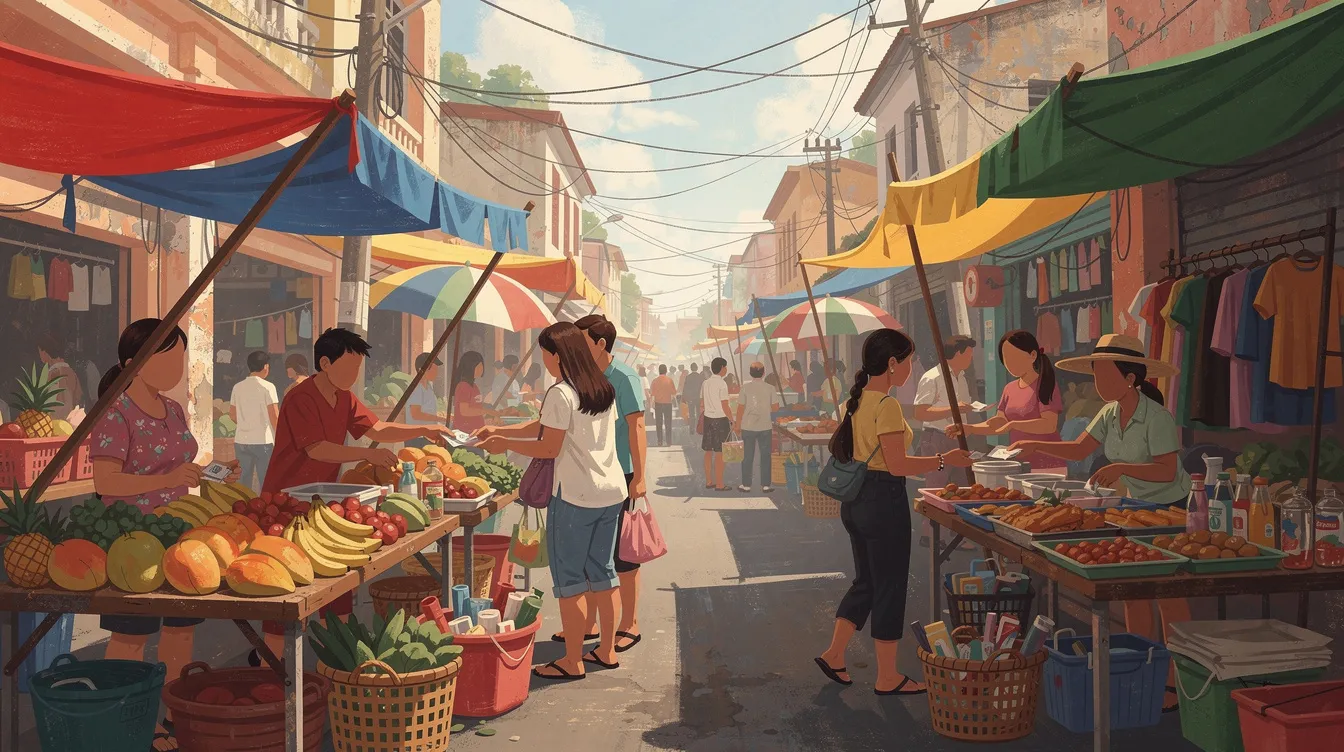
In the Philippines, the traditional trajectory of securing a stable job and building a career is undergoing significant transformation. As reported by Channel News Asia, many young Filipinos are grappling with a mismatch between their qualifications and available job opportunities, prompting them to explore alternative paths to financial security. This phenomenon is part of what is being termed the 'Filipino hustle', where individuals engage in multiple jobs or side gigs to supplement their income and achieve personal aspirations.
The concept of job mismatch has long been understood as a disconnect between the skills of workers and the positions available. However, a new layer of complexity is emerging, termed 'opportunity mismatch'. This occurs when jobseekers possess the requisite skills for a position, yet find the offered opportunities unattractive due to various factors including salary, benefits, and work-life balance. According to insights from the Manila Times, the modern worker evaluates potential employment not just on financial terms but also considers factors such as commuting time, childcare responsibilities, and the potential for personal growth.
Digital platforms have significantly altered the employment landscape, providing access to freelance opportunities that were previously unavailable. Workers can now utilize resources from organizations like the Technical Education and Skills Development Authority (TESDA) and the Department of Information and Communications Technology (DICT) to enhance their skills and connect with potential clients. These platforms foster an environment where independent work can flourish, allowing individuals to pursue their passions while diversifying their income streams.
However, the rise of gig work presents both opportunities and challenges. While some individuals thrive in flexible work arrangements, others find themselves juggling multiple low-paying jobs without the safety net of traditional employment. This duality reflects the broader economic landscape in which many Filipinos operate, where the hustle for financial stability can lead to both empowerment and exhaustion.
Experts emphasize that the future of work in the Philippines should not be framed solely as a choice between traditional employment and gig work. Instead, it should focus on creating an ecosystem that enables individuals to make meaningful choices regarding their careers. The Manila Times highlights the challenge of ensuring that available opportunities align with the skills and aspirations of the workforce. This includes not only creating jobs but also fostering environments where individuals can transition between employment, independent work, and entrepreneurship without losing access to essential protections.
Ultimately, the evolving landscape of employment in the Philippines calls for a reevaluation of what constitutes economic security. For many, this may still mean a stable job with a reputable employer, while for others, it could involve cultivating a diverse skill set and multiple income sources. As Filipinos navigate this complex terrain, the emphasis should be on providing the tools and opportunities necessary to pursue rewarding and sustainable work.