Philippines
Philippine SMEs Earn High Marks in Asia's Workplace Rankings
Local small and medium enterprises (SMEs) are recognized for their workplace culture, reflecting resilience amidst economic challenges.
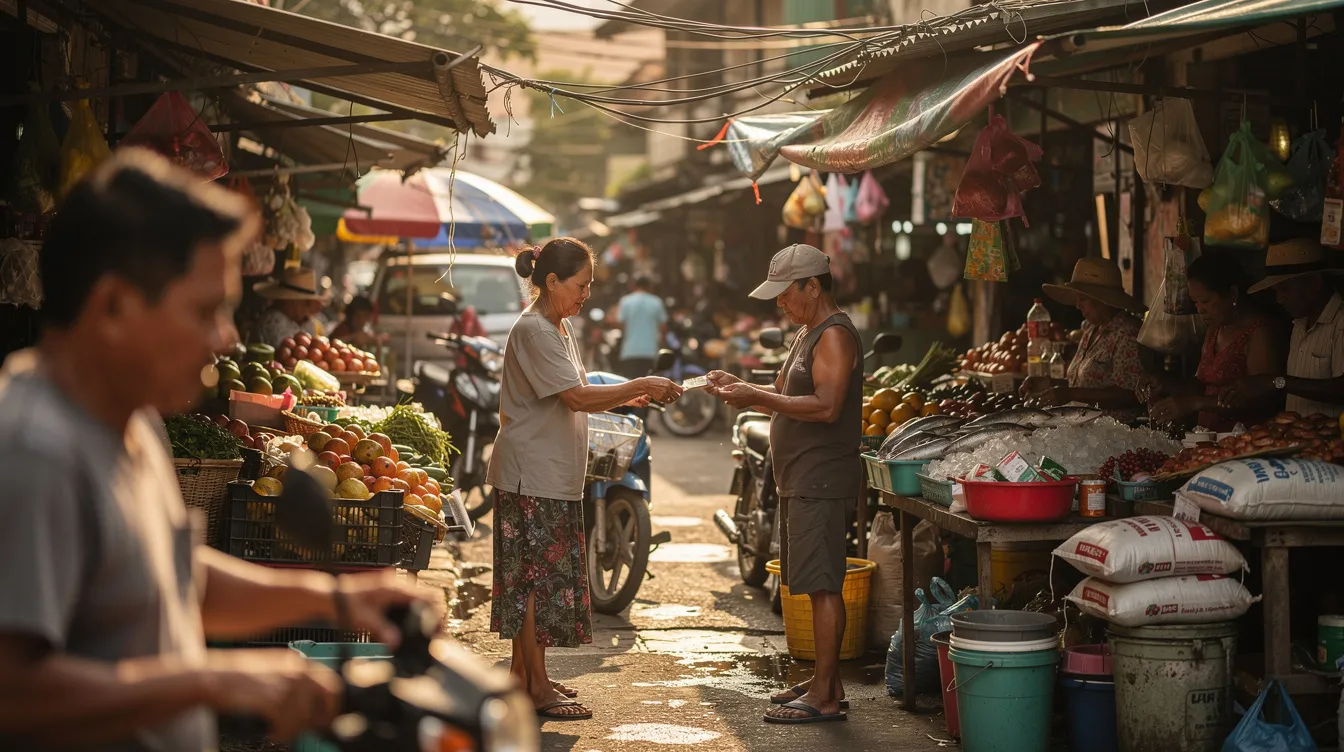
In a notable recognition of workplace culture, Philippine small and medium enterprises (SMEs) have ranked among the top in Asia, according to a recent survey conducted by Great Place to Work. This achievement highlights the commitment of local businesses to fostering positive work environments, which is increasingly vital in a competitive economic landscape.
The survey, which evaluated various companies across the region, found that Philippine SMEs excelled in employee satisfaction and organizational culture. This development comes at a time when the country is navigating economic pressures, including inflation and global market fluctuations. As reported by The Manila Times, the recognition serves as a testament to the resilience and adaptability of these companies.
“The recognition serves as a testament to the resilience and adaptability of these companies.”The Manila Times
According to analysts, the strong performance of Philippine SMEs in workplace rankings is indicative of a broader trend towards prioritizing employee well-being and engagement. This focus not only enhances productivity but also contributes to lower turnover rates, which is crucial for sustaining growth in a challenging economic environment. In a recent report, the Bank of the Philippine Islands (BPI) noted that companies with robust workplace cultures tend to outperform their peers in terms of financial stability and employee retention.
“Companies with robust workplace cultures tend to outperform their peers in terms of financial stability and employee retention.”Bank of the Philippine Islands
Furthermore, this recognition aligns with previous accolades received by Philippine firms in other categories, such as technology and innovation. For instance, seven Philippine companies were highlighted in the inaugural Southeast Asia's Best Workplaces in Technology, showcasing a strong commitment to cultivating a positive workplace culture across various sectors. InsideASEAN has reported on these developments, emphasizing the importance of a supportive work environment in driving business success.
In contrast, Indonesian coverage of the same event has focused on the competitive landscape of SMEs in the region, emphasizing the need for continuous improvement and adaptation to maintain their standing. Indonesian outlets highlighted that while Philippine SMEs have made significant strides, the overall economic environment remains challenging, and businesses must innovate to keep pace with regional competitors.
As the Philippines continues to develop its economic landscape, the emphasis on creating great workplaces will likely play a pivotal role in attracting talent and fostering innovation. The recognition of SMEs in Asia's workplace rankings reflects a growing awareness of the importance of employee satisfaction in achieving long-term business objectives. Meanwhile, the Indonesian perspective underscores a broader narrative of resilience but also warns of the potential pitfalls of complacency in a rapidly evolving market.
Moreover, the Philippine context is shaped by demographic trends, as noted by Metrobank, which pointed out that the country's demographic dividend is narrowing due to declining fertility rates. This demographic shift necessitates a focus on productivity and human capital investment to ensure that the growing workforce can contribute effectively to the economy. The emphasis on workplace culture thus becomes even more critical as the nation seeks to harness the potential of its young population.
Ultimately, while both countries recognize the importance of workplace culture in driving economic success, the Philippines frames this achievement as a beacon of resilience amidst challenges, whereas Indonesia views it through a lens of competitive necessity and the need for ongoing innovation.