Philippines
ADB Adjusts Growth Forecast for Philippines Amid Energy Market Disruptions
The Asian Development Bank lowers its growth projection for the Philippines as ongoing conflicts in the Middle East affect energy supply chains.
In a recent report, the Asian Development Bank (ADB) has revised its growth forecast for developing Asia and the Pacific, projecting a slowdown to 4.9% in 2026, down from a previous estimate of 5.1% made in April. This adjustment is attributed to ongoing disruptions in energy markets stemming from conflicts in the Middle East, which are impacting supply chains across developing Asia.
The ADB's forecast reflects broader economic challenges faced by the region, as it also lowered its growth outlook for developing Asia and the Pacific. The bank maintained its 2027 forecast at 5.1%, indicating a cautious optimism for recovery in the following year, contingent on the stabilization of energy markets.
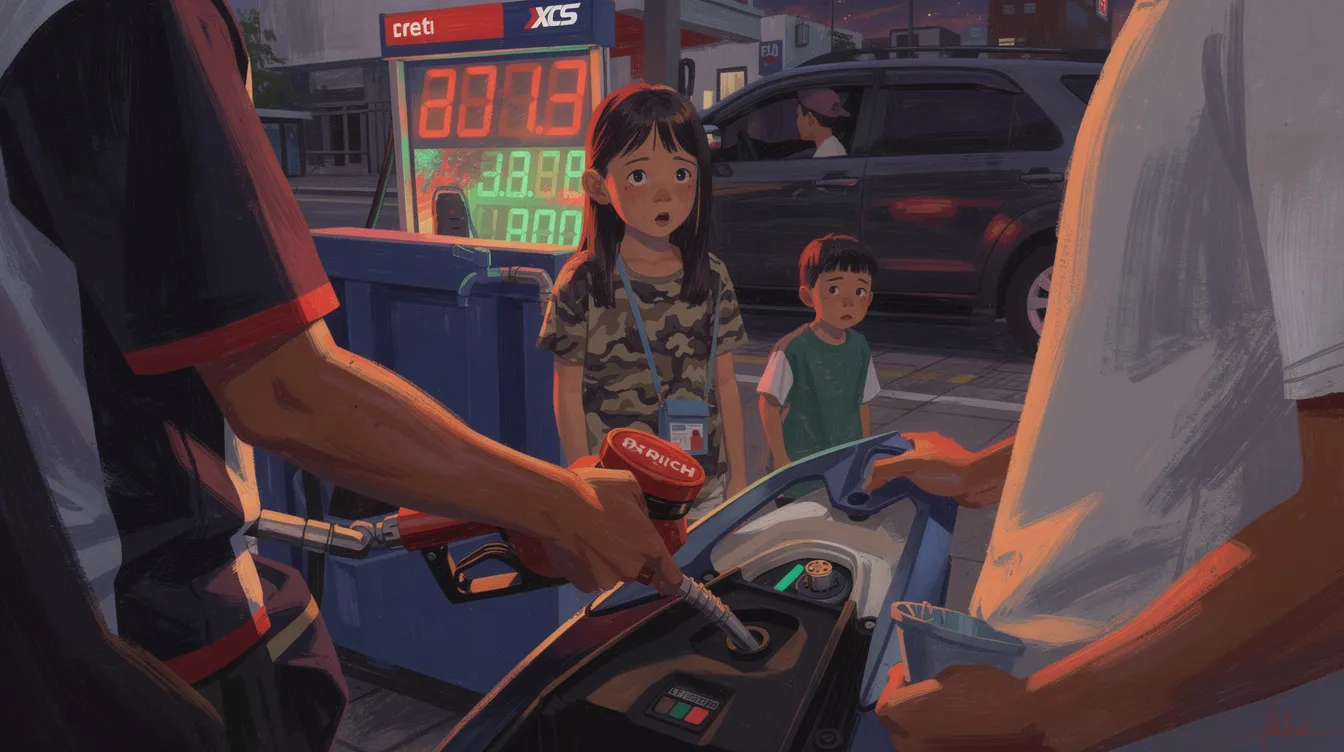
Officials from the ADB noted that the prolonged fallout from geopolitical tensions has created volatility in energy prices. This situation is particularly consequential for the Philippines, a country that relies heavily on imported energy. The rising costs of fuel have already begun to manifest in various sectors, contributing to inflationary pressures that have been felt by consumers.
As reported by InsideASEAN, the Bangko Sentral ng Pilipinas (BSP) has been monitoring these economic conditions closely, indicating that the economy remains resilient despite these challenges. BSP Governor Eli Remolona Jr. highlighted the potential for rate hikes as a response to inflationary trends, which could further influence economic growth.
In a related development, the Philippines recently ranked first among 57 emerging markets and developing economies in investor relations, according to the Department of Finance (DOF). This recognition, based on a report from the Institute of International Finance, underscores the Philippines' strong performance in investor relations and debt transparency, which could play a crucial role in attracting investment during these turbulent times.
Finance Secretary Frederick Go emphasized that this ranking reflects growing confidence in the Philippine economy and the reforms being pursued, stating that “strong investor confidence helps the government access financing on better terms.” This sentiment contrasts with Indonesian coverage, which has focused more on the immediate impacts of energy price volatility and inflation, rather than broader investor relations metrics.
Furthermore, the Philippines' recent upgrade to upper-middle-income status has prompted the government to seek more favorable financing options, aiming to secure development loans before potentially losing access to concessional loans. This strategic move is seen as crucial for sustaining growth amid rising economic pressures.
The interplay of these factors underscores the complexities of the Philippine economy, which, despite its recent growth achievements, continues to navigate significant external challenges. Analysts suggest that the government's response to these energy market disruptions will be critical in shaping the economic landscape in the coming years. In contrast, Indonesian outlets have highlighted the potential for increased domestic energy production as a buffer against international price shocks, framing it as a national priority.