Myanmar
Chinese Automakers Gain Ground in Myanmar's Electric Vehicle Market
As Chinese companies ramp up EV production, Japanese rivals face challenges in Myanmar's evolving automotive landscape.
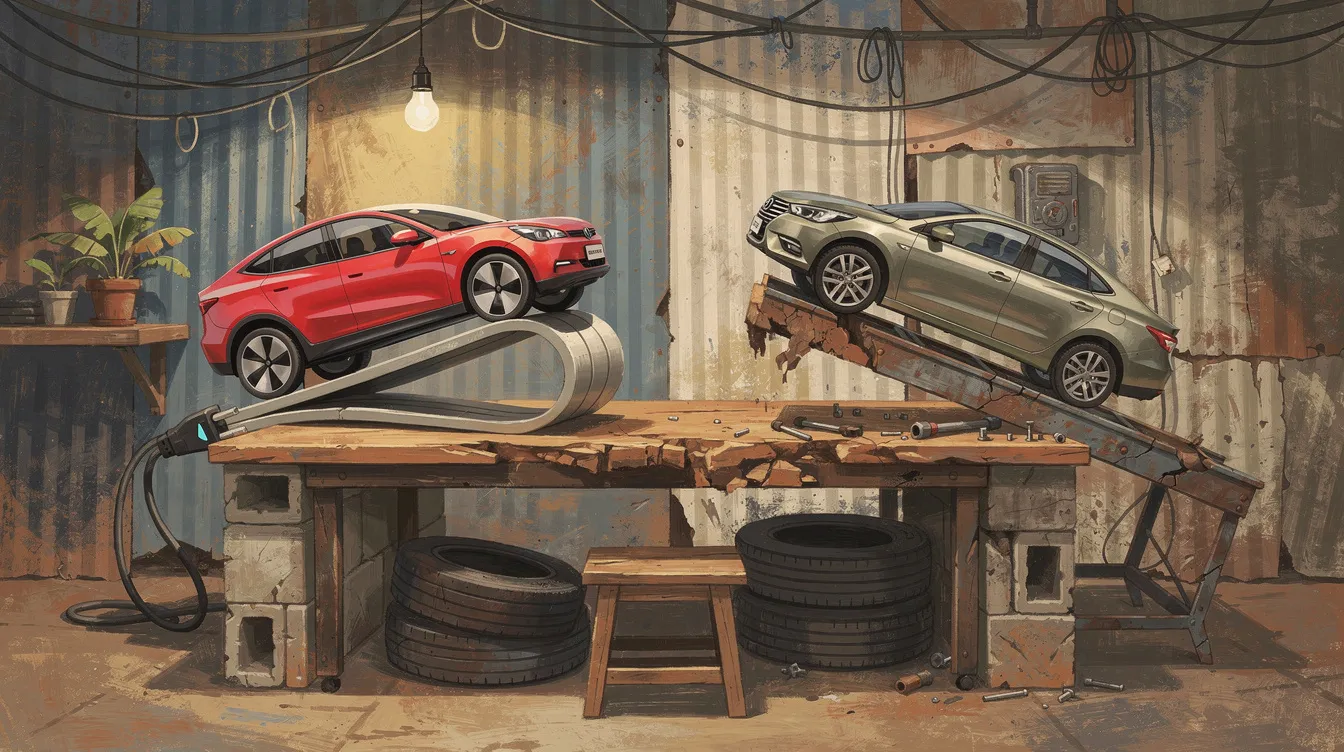
YANGON — Chinese automakers are making significant strides in Myanmar's electric vehicle (EV) market, with companies like BYD and others leveraging government incentives to establish local production. This development creates obstacles for Japanese rivals, particularly Toyota and Suzuki, which have historically dominated the market.
According to a report by Nikkei Asia, Chinese firms have begun producing EVs in collaboration with local companies, capitalizing on Myanmar's push towards electrification. The Myanmar government has introduced various incentives, including zero import taxes and exemptions from road and bridge tolls, to stimulate the adoption of electric vehicles. This policy shift has been in place since 2023, as noted by local EV dealers and users.
“China is leading the auto sector. The quality of Chinese brands is now accepted by the whole world.”U Zar Ni Tin Myint, Managing Director, Silver Sea International Co., Ltd
At the recently concluded Myanmar Auto and Parts Expo 2025, all 35 brands showcased were Chinese, with approximately 30 of them being EV brands. U Zar Ni Tin Myint, managing director of Silver Sea International Co., Ltd, which co-hosted the expo, remarked, "China is leading the auto sector. The quality of Chinese brands is now accepted by the whole world," highlighting the growing acceptance of Chinese vehicles in Myanmar.
In a further boost to the EV sector, the Ministry of Commerce announced the 2025 Pilot Project Notification, which outlines regulations for the importation and distribution of EVs from January 2025 to March 2026. This notification aims to support the development of EVs and related businesses in Myanmar, requiring importers to secure approvals from the National Level Leading Committee on Development of Electric Vehicles and Related Businesses.
Despite these advancements, challenges remain for the traditional automotive players in Myanmar. A local automotive business owner noted that while there is a desire for more EVs, the high costs associated with importing electric vehicles without the necessary foreign currency present a barrier. "The cost of importing a single EV can exceed 300,000 kyats (approximately $150), which complicates the process for many potential buyers," he stated.
“Since 2023, we have been working with EVs. We started with about 10-15 EVs in April 2023, and are now distributing around 300.”Ko Sitt Paing, Chief Business Officer, Swann Thu Aung Co., Ltd
As the market evolves, the competition is expected to intensify. Ko Sitt Paing, chief business officer at Swann Thu Aung Co., Ltd, an EV distributor, reported that their distribution has grown from about 10-15 EVs in April 2023 to around 300 currently, indicating a rising trend in EV adoption. He emphasized that the convenience and cost-effectiveness of EVs are contributing to their growing popularity.
With the Myanmar government aiming to transition to semi-knocked down units for local assembly by 2026-27, the landscape for EVs in Myanmar is set for further transformation. The increasing presence of Chinese automakers, coupled with supportive government policies, positions them favorably against established Japanese brands.