Malaysia
Mapping Malaysia's Semiconductor Dependencies: A Strategic Imperative
As Malaysia aims to strengthen its semiconductor sector, experts highlight the need to address supply chain vulnerabilities and enhance local capabilities.
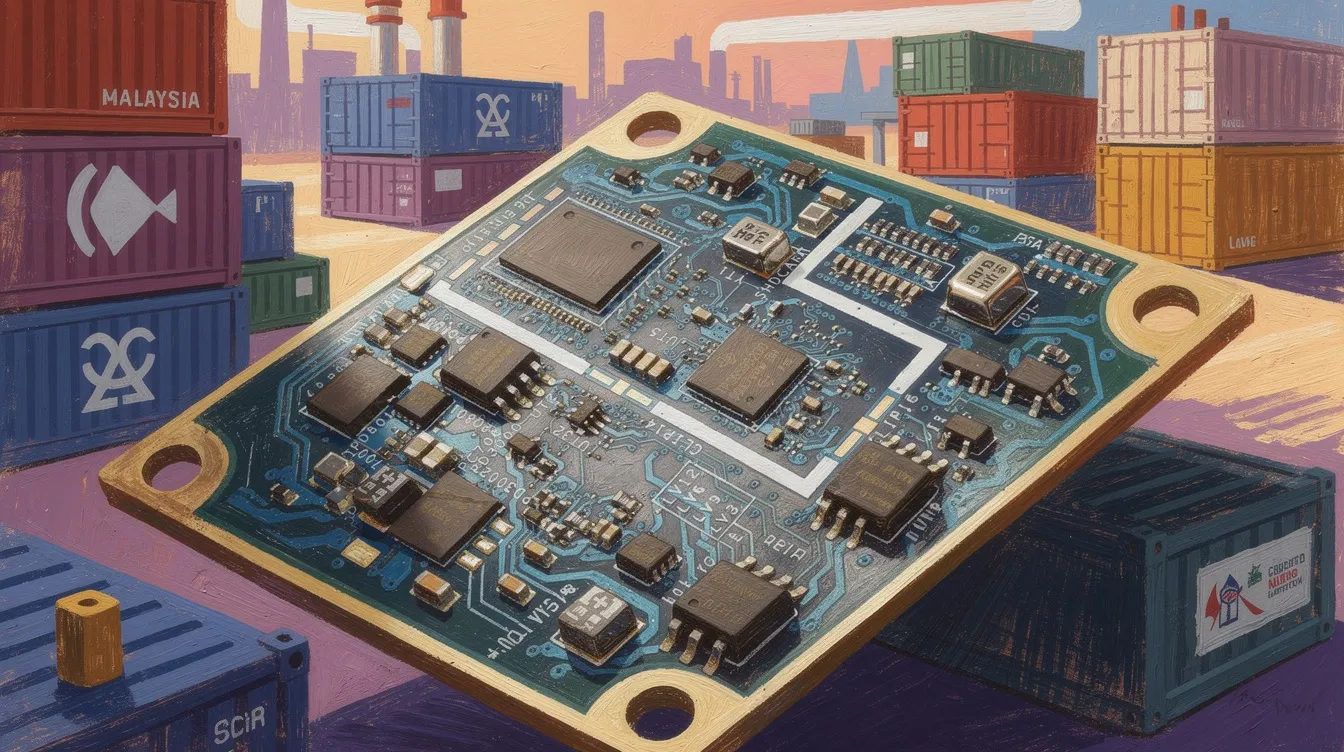
Malaysia's semiconductor industry, a vital component of its economy, is currently navigating a complex landscape of global supply chain challenges. As the sixth largest semiconductor exporter globally, Malaysia holds a significant 13% share of the global assembly, testing, and packaging (ATP) market, contributing significantly to the country's GDP and exports as of 2021, according to the Institute of Strategic & International Studies (ISIS) Malaysia.
Despite its strong manufacturing base, Malaysia's dependency on foreign chip designs poses a strategic risk. Experts, including Datuk Seri Wong Siew Hai, President of the Malaysian Semiconductor Industry Association (MSIA), emphasize the necessity for the country to diversify its supply chains and enhance local design capabilities. Wong noted that geopolitical tensions and global market fluctuations necessitate a thorough examination of supply chain dynamics to ensure operational continuity.
Wong said that addressing every challenge makes the supply chain a primary issue, and factors such as the Iran conflict and geopolitical tensions must be clearly identified so companies can prepare. He highlighted that many companies are now adopting a more balanced approach by diversifying their supply sources rather than relying on a single market, which could bolster the industry's resilience against external disruptions.
In line with its ambitions, Malaysia aims to increase production capacity and foster local talent and innovation in chip design. The New Industrial Master Plan (NIMP) 2030 is expected to guide these efforts, focusing on sustainable and inclusive growth in the digital technology sector.
“Wong said that addressing every challenge makes the supply chain a primary issue, and factors such as the Iran conflict and geopolitical tensions must be clearly identified so companies can prepare.”Datuk Seri Wong Siew Hai, President of MSIA
Historically, Malaysia has been recognized as a key player in the global semiconductor supply chain, particularly in assembly and testing. However, the country faces the challenge of transitioning from a manufacturing hub to a leader in high-value chip design. This shift aligns with the growing demand for specialized chips driven by emerging technologies such as artificial intelligence (AI) and the Internet of Things (IoT), which require robust local capabilities.
Analysts indicate that the ability to master chip design will be a determining factor for Malaysia's future in the semiconductor industry. Countries like Taiwan, South Korea, and the United States have demonstrated that strength in chip design and fabrication yields significantly higher economic returns. Therefore, enhancing the semiconductor ecosystem through research, talent development, and investment is essential for Malaysia's industrial transformation.
As the semiconductor sector continues to evolve, Malaysia's strategic positioning will depend on its ability to navigate these dependencies and foster a resilient and innovative industry. The ongoing efforts to map out these dependencies and address vulnerabilities will be critical in ensuring the nation's competitiveness in the global market.