Vietnam
Vietnam's Semiconductor Ambitions: Building a Domestic Chip Industry
Vietnam aims to establish a self-sufficient semiconductor industry as global leaders invest in local capabilities.
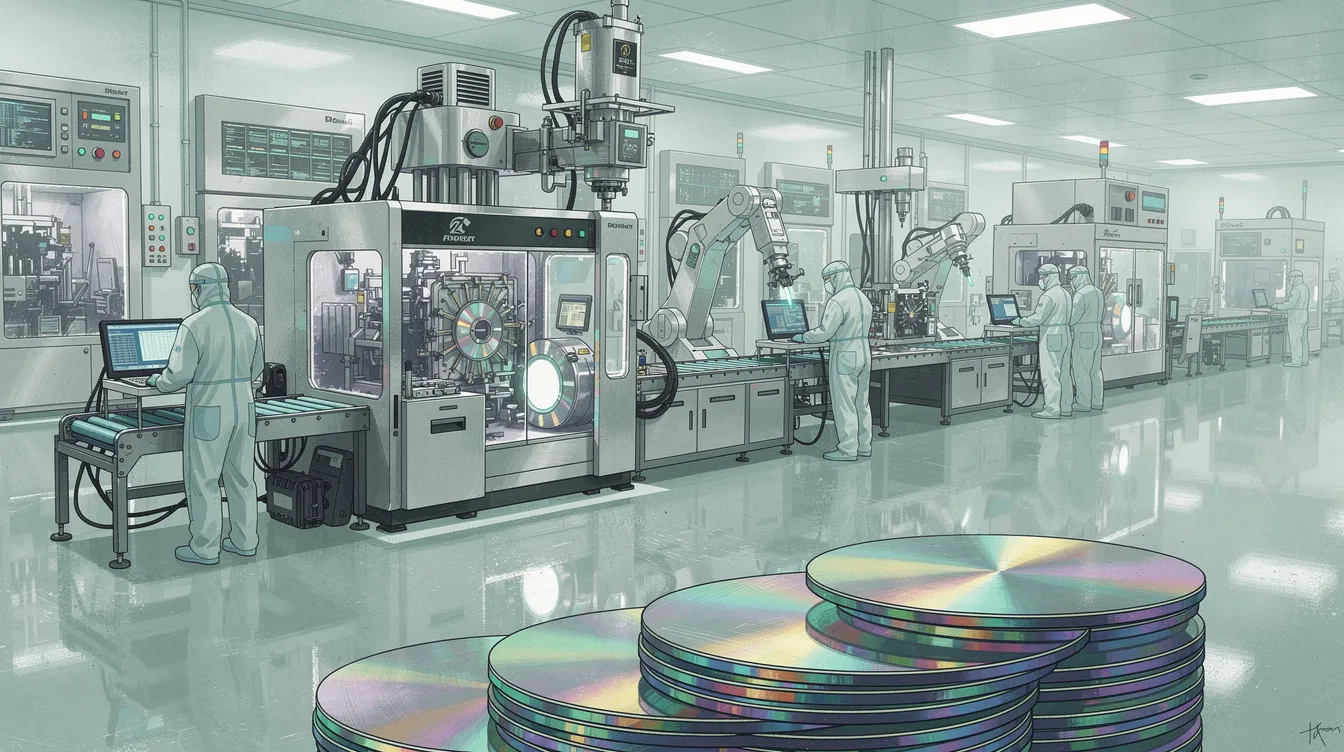
Vietnam is intensifying efforts to develop its semiconductor industry, aiming for self-sufficiency in chip production. Recent developments include the groundbreaking of the country's first semiconductor manufacturing plant by Viettel, a military-owned telecommunications and industrial group, which took place on January 16, 2023. This initiative is part of a broader government strategy to enhance local capabilities in semiconductor technology, as outlined by officials from the Ministry of Industry and Trade.
According to Prime Minister Phạm Minh Chính, the establishment of this plant is a significant milestone for Vietnam, which has historically relied on foreign semiconductor supplies. The facility, located in the Hòa Lạc High-Tech Park in Hanoi, is expected to support various national industries, including aerospace, telecommunications, and medical equipment. Viettel has indicated that the plant will enable Vietnam to complete the entire semiconductor production process domestically over the project timeline from 2026 to 2030, which includes six key stages from product definition to testing and integration, with production trials expected to start after 2027.
“The establishment of this plant is a significant milestone for Vietnam.”Phạm Minh Chính, Prime Minister
In a recent meeting in Tokyo, Vietnamese President and Communist Party General Secretary Tô Lâm and Japanese Prime Minister Sanae Takaichi discussed cooperation in semiconductors and artificial intelligence, further highlighting Vietnam's commitment to building a robust domestic supply chain. This aligns with the government's vision to transform Vietnam into a modern industrialized nation by 2030, with a focus on sustainable and innovative economic growth.
Vietnam's semiconductor sector has been gaining traction, with several global tech giants like Samsung and LG significantly increasing their investments. InsideASEAN has reported that these investments are aimed at enhancing Vietnam's role in the global semiconductor supply chain. The country is seen as an attractive market for chip suppliers, given its population of approximately 100 million and a youthful demographic.
“To realize the vision of a 'Make in Vietnam' semiconductor industry, there must be a concerted effort to train a skilled workforce.”Experts in semiconductor industry
Despite these advancements, challenges remain. Currently, 100% of electronic devices in Vietnam utilize foreign-made chips, indicating a long road ahead for the domestic industry. Experts suggest that to realize the vision of a 'Make in Vietnam' semiconductor industry, there must be a concerted effort to train a skilled workforce, foster a startup ecosystem in semiconductor design, and implement favorable policies to encourage local production.
As Vietnam embarks on this ambitious journey, the successful establishment of a domestic semiconductor industry could fulfill local demand.