Malaysia
Malaysia Eyes $120 Billion Semiconductor Investment by 2030
Prime Minister Anwar Ibrahim outlines ambitious plans for the semiconductor sector, emphasizing the need for skilled technicians and vocational training.
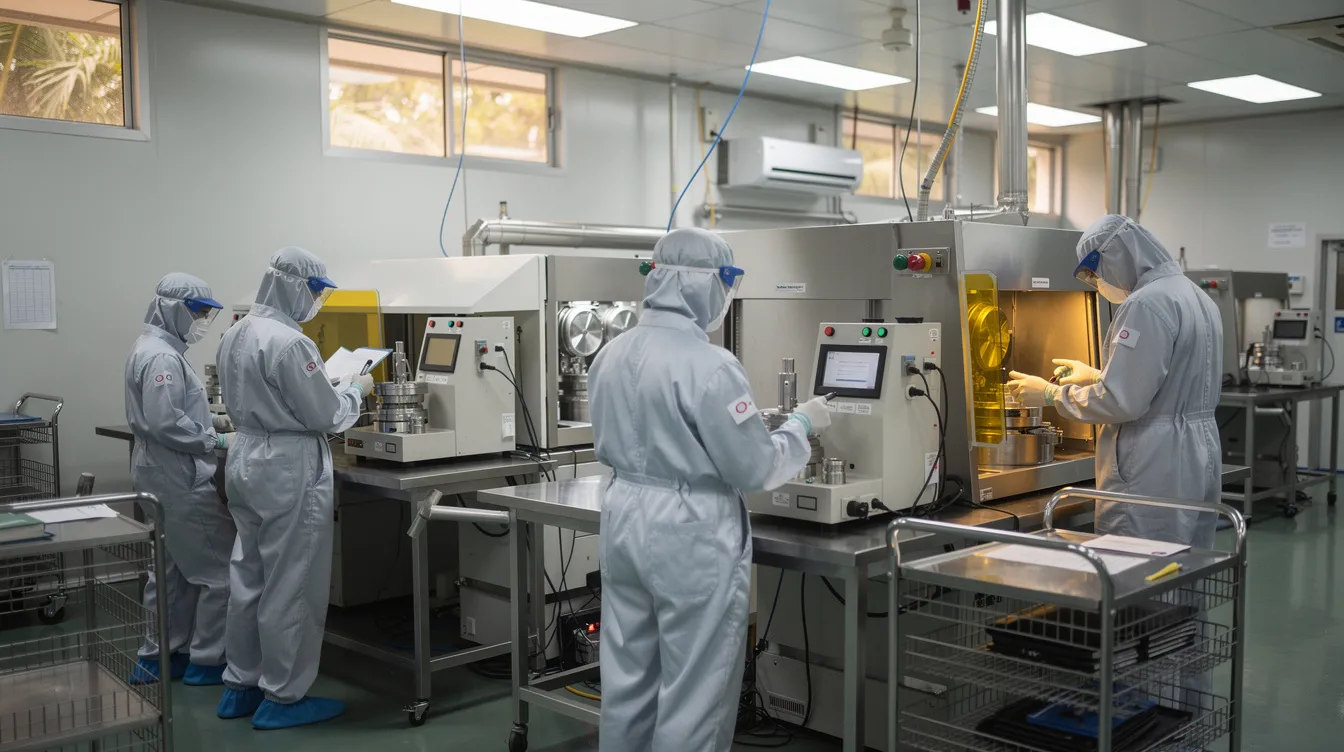
Malaysia is setting its sights on attracting 500 billion ringgit in semiconductor investments by 2030, as part of a broader strategy to solidify its position in advanced manufacturing. Prime Minister Anwar Ibrahim announced these plans during a speech at the WorldSkills event in Shanghai, highlighting the importance of skilled technicians in driving the semiconductor and electric vehicle industries.
Anwar emphasized that a modern economy relies on trained personnel, stating that a modern economy cannot function without the technicians who keep a semiconductor line running or an electric vehicle plant on schedule. He also pointed out that Malaysia's technical and vocational education and training (TVET) reform, termed TVET 2.0, aims to bridge the gap between industry and educational institutions, facilitating a shift towards emerging technologies such as artificial intelligence and renewable energy.
The Prime Minister noted that Malaysia's strategic partnership with China has created new opportunities for vocational training, further aligning with the country’s green jobs agenda aimed at preparing the workforce for sustainable economic practices. This initiative includes the ASEAN Digital Skills Passport, which seeks to promote cross-border recognition of technical qualifications across Southeast Asia.
“A modern economy cannot function without the technicians who keep a semiconductor line running or an electric vehicle plant on schedule.”Anwar Ibrahim, Prime Minister of Malaysia
In parallel to these developments, the Malaysian Federal Court recently reserved judgment on a significant case involving the retrenchment of workers from Hub Shipping Sdn Bhd and its subsidiaries. The case, which has been ongoing since 2015, raises questions about the legal responsibilities of corporate entities in employment disputes.
Lawyer Muhendaran Suppiah, representing the retrenched workers, argued that the Court of Appeal had applied the wrong test regarding the inclusion of Hubline in the proceedings. He stated that the Industrial Relations Act requires only a prima facie reasonable factual or legal nexus between a proposed party and the dispute. This perspective underscores the complexities of corporate relations and employee rights in Malaysia's evolving economic landscape.
On the other hand, representatives for Hubline and Highline Shipping maintained that the workers must demonstrate a legal and factual nexus to the dispute, asserting that mere corporate links do not suffice to establish liability. This legal debate reflects broader issues within Malaysia's industrial relations framework, particularly as the country seeks to modernize its workforce in line with ambitious economic goals.