Singapore
Singapore's Strategic Role in the AI Supply Chain: Expanding Chip Manufacturing
As demand for artificial intelligence surges, Singapore emerges as a critical hub for semiconductor manufacturing, attracting major investments from global chipmakers.
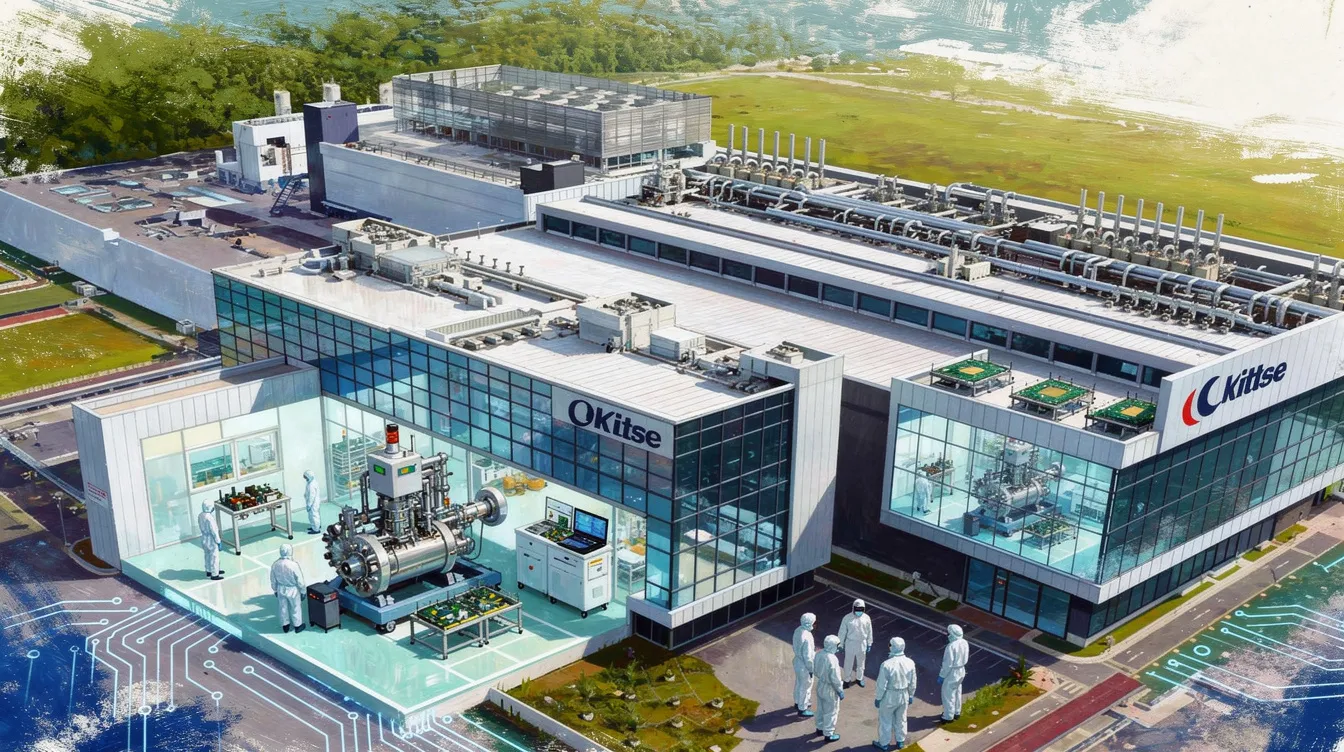
Singapore's position in the global semiconductor landscape is strengthening as major chipmakers expand their operations in response to surging demand for artificial intelligence (AI) technologies. The city-state is witnessing a rapid increase in investments from companies such as TSMC and Broadcom, which are establishing advanced manufacturing facilities to meet the needs of the AI sector.
According to a recent podcast by Nikkei Asia, TSMC, a leading semiconductor manufacturer, is planning to expand its operations in Singapore, where its first plant has reportedly sold out. This expansion is part of a broader trend among chipmakers looking to ramp up production to address the ongoing shortages of essential components needed for AI applications. The podcast highlighted that the demand for AI is straining existing manufacturing capacities, leading to concerns about potential future supply gluts as production ramps up.
“Singapore's semiconductor ecosystem benefits from a robust network of collaborations, advanced infrastructure, and a skilled workforce.”Chee Hong Tat, Minister of State for Trade and Industry
Furthermore, Broadcom and Toppan have recently launched an advanced chip substrate facility in Singapore, which is expected to enhance the local semiconductor ecosystem. This facility is crucial as it supports the production of substrates that are essential for advanced semiconductor packaging, a key component in the AI supply chain.
Officials from Singapore's Ministry of Trade and Industry have emphasized the importance of the semiconductor sector as a driver of innovation within the manufacturing industry. During the Semiconductor Business Connect event, Minister of State for Trade and Industry Chee Hong Tat stated that Singapore's semiconductor ecosystem benefits from a robust network of collaborations, advanced infrastructure, and a skilled workforce. The government is also investing in initiatives aimed at fostering innovation in semiconductor technology, including the establishment of centers focused on Gallium Nitride (GaN) technology and AI excellence.
“The demand for AI is straining existing manufacturing capacities, leading to concerns about potential future supply gluts.”Nikkei Asia Podcast
As AI spending accelerates globally, Singapore's semiconductor industry is poised to play a pivotal role in the supply chain. The country is strategically positioned to support multinational corporations and small-to-medium enterprises, creating a reliable network of local suppliers. This approach aligns with the government's vision of enhancing resilience in the supply chain amidst global trade uncertainties.
In contrast, Indonesian media has raised alarms about the broader implications of AI investments on the global economy and job market. Reports from Katadata highlight a warning from the International Monetary Fund (IMF) regarding the potential for a significant downturn in the global economy if AI investments do not yield the expected productivity gains. The IMF cautioned that a sharp correction in U.S. stock prices could occur, with global economic growth potentially falling by 1.1 percentage points by 2028, particularly impacting Asia where growth could drop by 1.7 percentage points from initial projections.
Furthermore, IMF Managing Director Kristalina Georgieva emphasized that young people entering the job market are particularly vulnerable to job displacement due to AI. She likened the impact to a “slow-moving tsunami,” warning that many entry-level positions could be automated, making it harder for new graduates to find their first jobs. This sentiment echoes concerns expressed by Singapore's President Tharman Shanmugaratnam, who has called for structural policies to support youth employment in light of these challenges.
While Singapore's government focuses on enhancing its semiconductor capabilities as a strategic economic driver, Indonesian outlets frame the issue as a dual-edged sword; the potential for economic growth through AI must be balanced with the risks of job losses and economic instability. This divergence highlights the differing national interests at play: Singapore aims to solidify its position as a tech manufacturing hub, while Indonesia emphasizes the need for caution and proactive measures to safeguard employment opportunities amidst rapid technological advancements.
Additionally, the Singapore government is taking proactive steps to regulate the data centre sector, which is integral to AI operations. Proposed legislation, known as the Digital Infrastructure Act, aims to impose standards on energy use, cybersecurity, and reporting for new data centres, while existing facilities will need to comply during upgrades. This regulatory framework is expected to ensure that Singapore remains a competitive and secure location for data-intensive AI operations.