Laos
Laos and Singapore Forge Carbon Credit Agreement to Boost Climate Finance
The new partnership aims to leverage Laos' forest resources for carbon credits, enhancing climate adaptation efforts and attracting foreign investment.
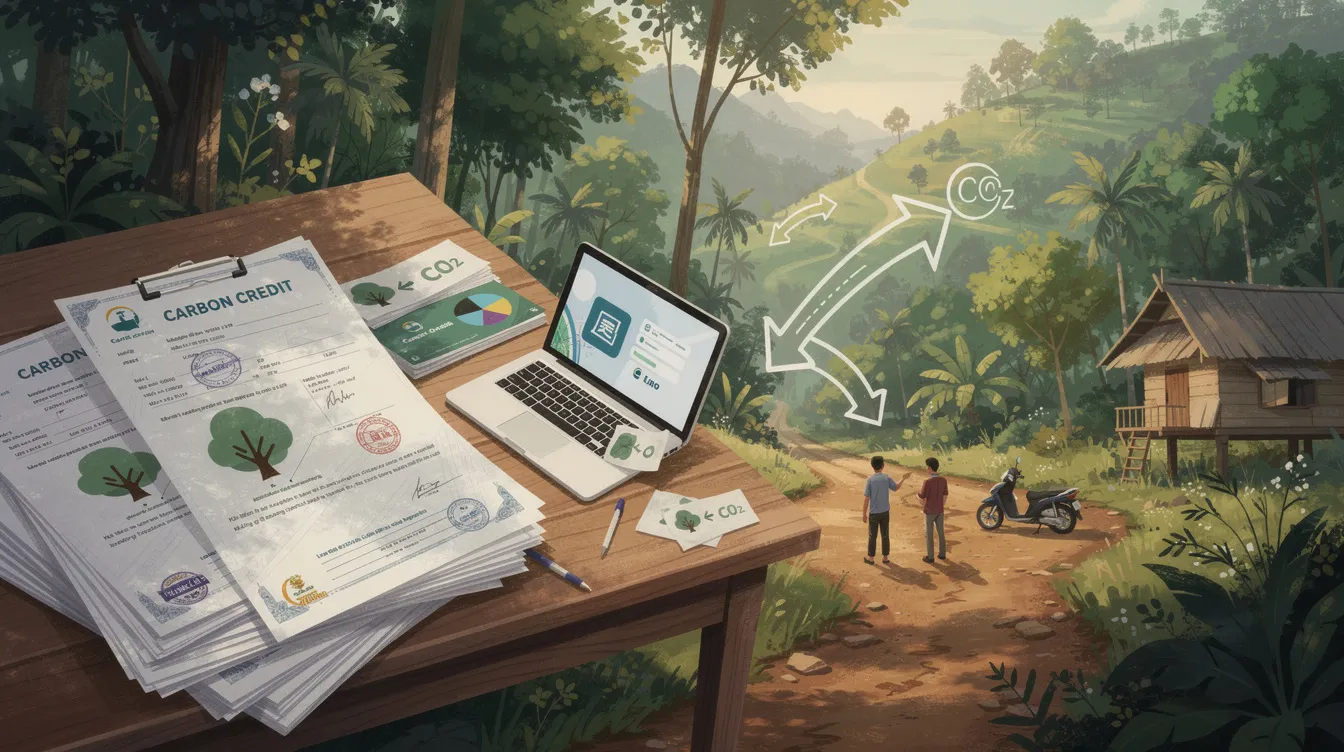
Laos is taking significant steps to transform its forests and agricultural sectors into a source of foreign investment and climate funding through a new carbon-credit agreement with Singapore. Signed on September 4, the agreement establishes a legally binding framework that allows Laos to generate and transfer carbon credits to Singapore under the Paris Agreement.
With one of the highest forest cover rates in Southeast Asia, Laos aims to increase this to 70 percent by 2035 as part of its national forestry strategy. The agreement includes mechanisms to prevent double counting of emissions reductions, ensuring that each tonne of emissions reduction is accounted for only once. Additionally, Singapore will allocate 5 percent of the proceeds from carbon credit transactions to climate adaptation efforts in Laos and will cancel 2 percent of authorized credits at issuance, meaning these credits cannot be traded or counted toward emissions targets.
Laos is facing significant challenges from climate change, with monsoon floods and landslides causing damages exceeding USD 279 million in 2024. The country anticipates that increasing extreme weather events will further strain its economy, which is already grappling with high debt levels and slow growth. As Laos prepares to graduate from least-developed-country status, it will gradually lose access to some forms of concessional aid, making carbon markets a viable option for attracting investment while supporting rural communities.
The government has been proactive in establishing regulations and institutions to support carbon credit generation, targeting a 60 percent reduction in emissions by 2030 and achieving net-zero emissions by 2050. Under the new carbon-credit rules set to be implemented by 2025, a minimum of 10 percent of credits generated through international cooperation must remain in Laos. This ensures that the benefits of carbon credit transactions contribute to local development.
Singapore's role as a regional hub for carbon trading is evident, as it has entered into similar agreements with other Southeast Asian nations, including Thailand, Vietnam, and the Philippines. For Laos, the partnership with Singapore is a crucial step toward integrating into the international carbon market, particularly for projects centered on forest conservation and sustainable agriculture.
In contrast, Cambodian media coverage highlights the broader implications of Laos' energy exports and environmental concerns. According to the Cambodia Investment Review, Laos has long produced surplus electricity, primarily from hydropower, which generates approximately USD 2.6 billion annually. However, this reliance on hydropower faces increasing competition from non-hydro renewable energy sources, as regional countries, including Cambodia, seek to diversify their energy portfolios.
While Cambodia imports around 200 MW of hydropower from Laos, concerns persist regarding the environmental impact of such projects, particularly on local fisheries and biodiversity. Cambodian civil society organizations have voiced apprehensions about the sustainability of hydropower developments in the region, advocating for a diversified energy approach. In 2020, Cambodia implemented a 10-year ban on new hydropower projects on its section of the Mekong River, emphasizing the need for alternative energy sources.
Despite these concerns, Cambodia's 2022 Power Development Plan indicates a desire to continue importing electricity from Laos, with projections to increase imports to around 3 GW by 2030. This aligns with the ASEAN Power Grid initiative, which aims to enhance regional energy interconnectivity. In May 2026, Laos and Cambodia took significant steps towards this goal by signing a joint study framework to advance cross-border power connections, indicating a commitment to collaborative energy solutions.
As Laos continues to develop its carbon market, the collaboration with Singapore may serve as a model for other countries looking to leverage their natural resources for climate finance, ultimately contributing to global efforts to mitigate climate change. However, the contrasting narratives from Laos and Cambodia underscore the complexities of regional energy dynamics and environmental sustainability in the face of climate challenges.