Indonesia
Indonesia's Masela Gas Project Officially Launches After 28-Year Wait
The groundbreaking of the Masela gas project represents a milestone for Indonesia's energy sector, promising economic boosts and increased gas supply.
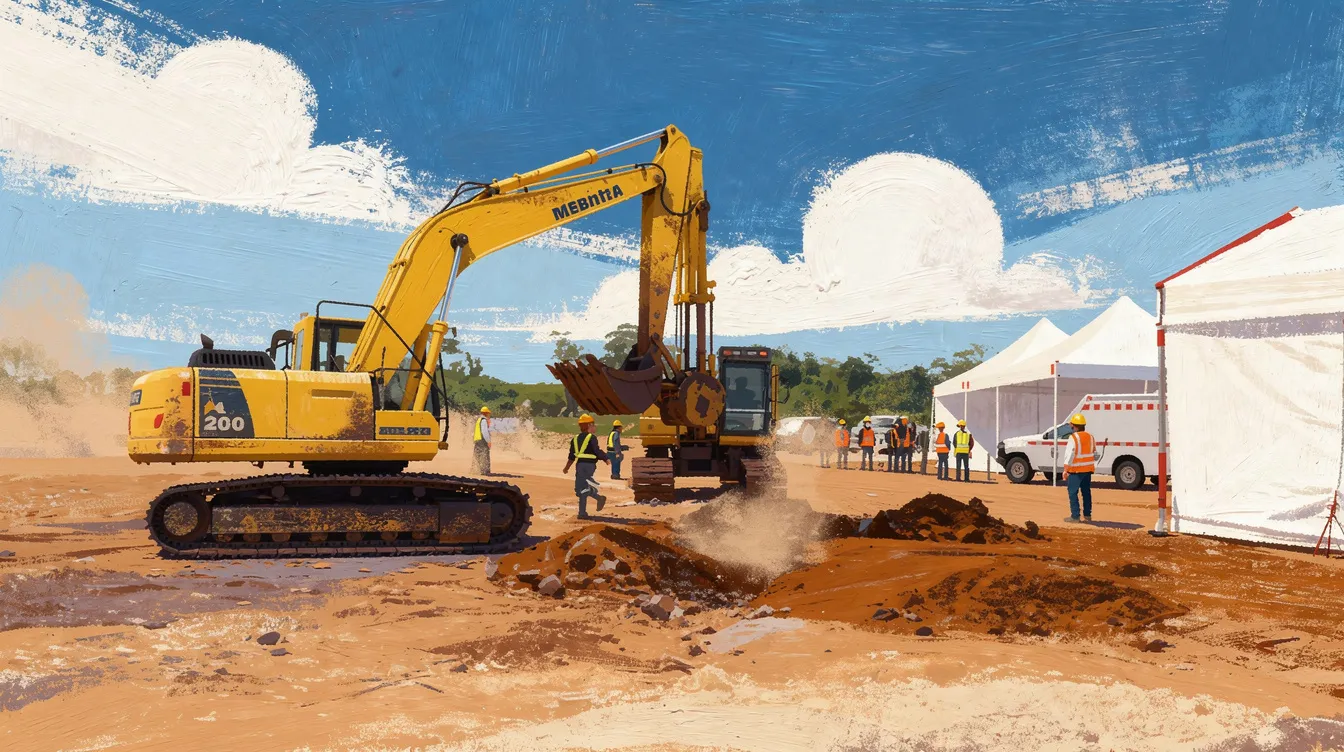
The Indonesian government has officially launched the construction of the massive Masela gas field in the Tanimbar Islands of Maluku, representing a milestone after nearly 28 years of planning and delays. The groundbreaking ceremony took place on July 16, 2026, and was attended virtually by President Prabowo Subianto. The project, valued at approximately $20.9 billion (Rp 300-355 trillion), is expected to produce 10.5 million tons of liquefied natural gas (LNG) annually, which could account for more than 10% of Japan's annual LNG imports.
Located about 150 kilometers south of Yamdena Island, the Masela gas field has an estimated reserve of 3.06 trillion cubic feet (TCF) of gas and 119 million barrels of condensate. It is projected to deliver around 1.5 billion cubic feet of gas per day (BCFD) for both domestic use and export by the end of the decade. The project aims to address Indonesia's growing energy demands as existing gas fields face a natural decline in production.
According to Bahlil Lahadalia, Indonesia's Minister of Energy and Mineral Resources, the project has undergone numerous changes over the years, including debates over whether to develop it offshore or onshore. He noted that the project could finally be executed thanks to the guidance of President Prabowo, after being stalled for decades. He emphasized the importance of the project for enhancing Indonesia's energy security and economic growth.
“He noted that the project could finally be executed thanks to the guidance of President Prabowo, after being stalled for decades.”Bahlil Lahadalia, Minister of Energy and Mineral Resources
The Masela project is being developed by INPEX Masela Ltd., which holds a 65% stake, along with PT Pertamina Hulu Energi (20%) and Petronas Masela Sdn. Bhd. (15%). The project's development strategy has shifted from an initial plan for a floating LNG facility to a land-based LNG plant, a decision made to maximize economic benefits for the Maluku region. This change required a complete redesign of the project's engineering plans, which contributed to the lengthy delays.
As the project progresses, it is expected to stimulate economic activity in the eastern region of Indonesia, particularly in the Tanimbar Islands. The construction phase will likely increase demand for local services, including construction, logistics, transportation, and accommodation. However, the successful execution of this large-scale project will require careful management of costs, timelines, and inter-agency coordination to meet production targets by 2029-2030.
Despite the optimism surrounding the project, challenges remain. The construction of such a significant gas facility necessitates rigorous oversight to ensure that it meets Indonesia's energy needs while also addressing environmental and community concerns.