Indonesia
Indonesia's Coal Supply: Government Seeks Control Amid Global Price Pressures
Supplying 43% of the world's traded coal, Indonesia aims to reclaim pricing power through stricter production regulations.
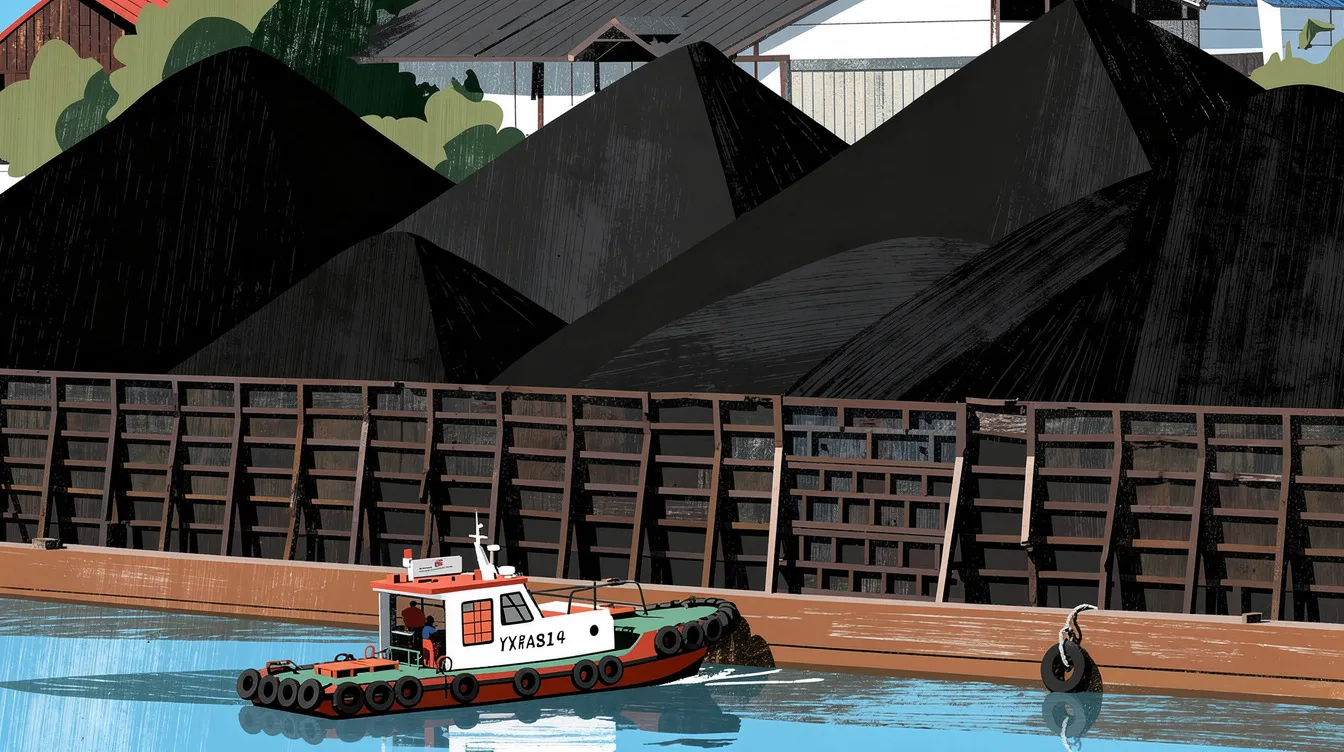
Indonesia is a significant player in the global coal market, supplying 43% of the world's traded coal, yet the pricing of this vital commodity remains largely influenced by foreign entities. Bahlil Lahadalia, the Minister of Energy and Mineral Resources, expressed concerns over this imbalance during a recent event in Jakarta, saying that Indonesia has the resources but the prices are controlled by others, highlighting the frustration felt by local stakeholders.
To address this issue, the Indonesian government is implementing stricter regulations through the Rencana Kerja dan Anggaran Biaya (RKAB), or Work Plan and Budget, which aims to manage coal production and exports more effectively. Bahlil noted that while Indonesia exported over 500 million tons of coal, the pricing mechanisms are dictated by foreign markets, leaving local producers at a disadvantage.
The government plans to reduce coal production from 817.48 million tons in 2025, according to government figures cited by Bahlil, to around 600 million tons in 2026. This reduction is intended to prevent oversupply, which has historically led to declining prices. Bahlil indicated that production will be decreased to ensure better prices and emphasized the need to manage resources sustainably for future generations.
In a strategic move to support local businesses, the government is prioritizing production quotas for small and medium enterprises (UMKM) over larger corporations. Bahlil emphasized the importance of supporting local entrepreneurs, stating that for larger companies, the quotas will be cut back, but for those with smaller licenses, the government will ensure they receive their fair share.
Despite the planned reductions, there remains a possibility for adjustments in production targets, especially with increasing domestic demand for coal, particularly from PLN (Persero), Indonesia's state electricity company. The government is prepared to revise the RKAB as necessary to balance both domestic needs and international market conditions.