Indonesia
Indonesia's Energy Subsidies Reach Rp 415.8 Trillion Amid Global Oil Price Volatility
The Indonesian government has allocated Rp 415.8 trillion for energy subsidies and compensation as global oil prices fluctuate due to geopolitical tensions.
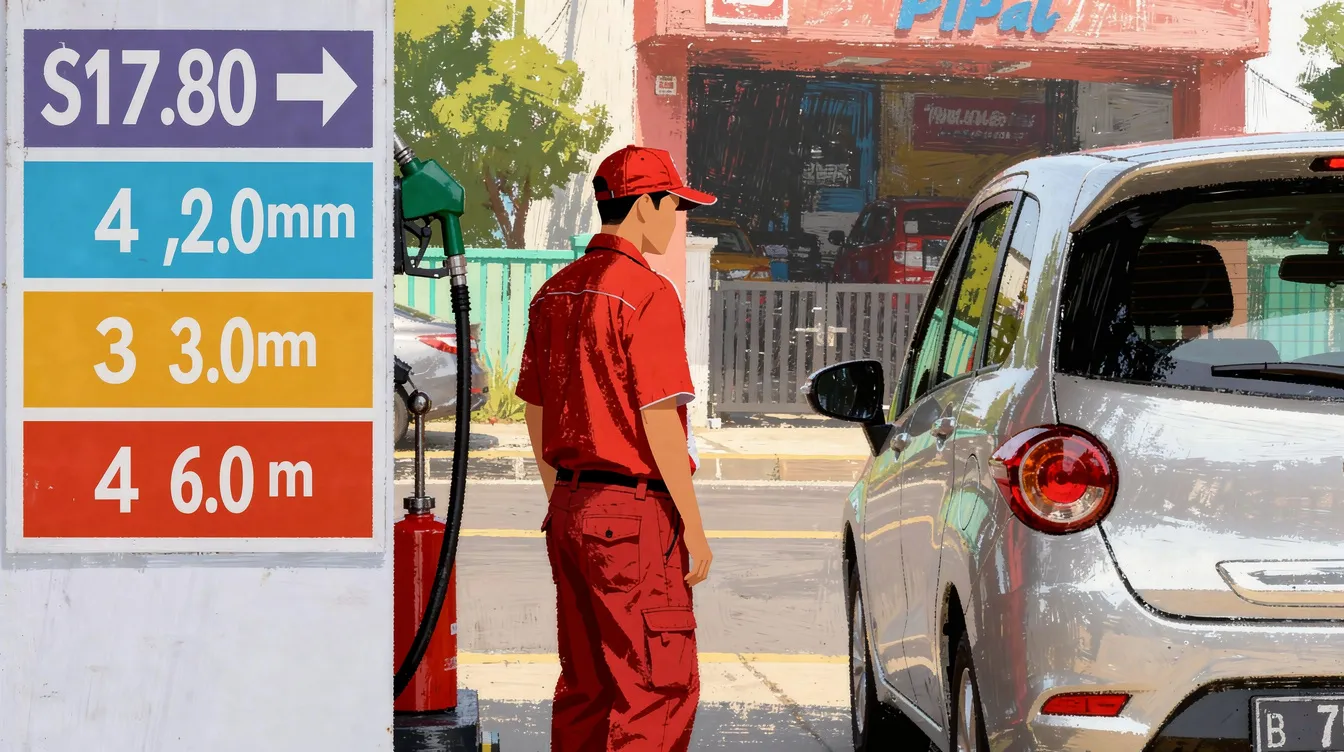
The Indonesian Ministry of Finance has reported that energy subsidies and compensation have reached Rp 415.8 trillion as of October 31, 2026. This amount represents 93% of the target set in the 2026 State Budget (APBN).
Finance Minister Suahasil Nazara explained that the increase in global oil prices has created a significant gap between the economic price and the government-set selling price of fuels. For instance, the price of Pertalite, a subsidized fuel, remains at Rp 10,000 per liter, despite rising costs since April 2026. Similarly, the price of diesel is maintained at Rp 6,800 per liter. Suahasil said that the difference in prices for Pertalite and diesel is borne by the state budget, funded by taxpayers.
“Suahasil said that the difference in prices for Pertalite and diesel is borne by the state budget, funded by taxpayers.”Suahasil Nazara, Finance Minister
As of November 10, 2026, the price of Brent crude oil was recorded at $92.06 per barrel, while the average price of Indonesian crude oil (ICP) throughout the year was $94.4 per barrel. Suahasil indicated that while oil prices have started to decline, the government remains cautious about their impact on the state budget, as the annual budget burden is influenced by the average oil price over the year, not just current prices.
“Suahasil indicated that the government remains cautious about the impact of oil prices on the state budget, as the annual budget burden is influenced by the average oil price over the year.”Suahasil Nazara, Finance Minister
The allocation of Rp 415.8 trillion encompasses various commodities and programs, including subsidies for 3-kilogram LPG cylinders, electricity, fertilizers, and microcredit programs (KUR). The volume of subsidized fuel distributed reached 15 million kiloliters, a 9.5% increase compared to the previous year. The distribution of 3-kilogram LPG cylinders reached approximately 6.5 million tons, also up by 2.3% year-on-year. Furthermore, electricity subsidies benefited 43.5 million customers, marking a 2.3% increase, while subsidized fertilizer distribution rose by 9.7% to 7.1 million tons, and KUR reached 4.2 million debtors, growing by 7.7%.
Suahasil emphasized the need for vigilance regarding potential increases in global oil prices, which would further strain the budget for energy subsidies and compensation.