Cambodia
Cambodia to Accept Afghan Refugees from Qatar Amid Uncertainties
The Cambodian government is set to receive Afghan refugees from Qatar, but concerns about their protection and future remain.
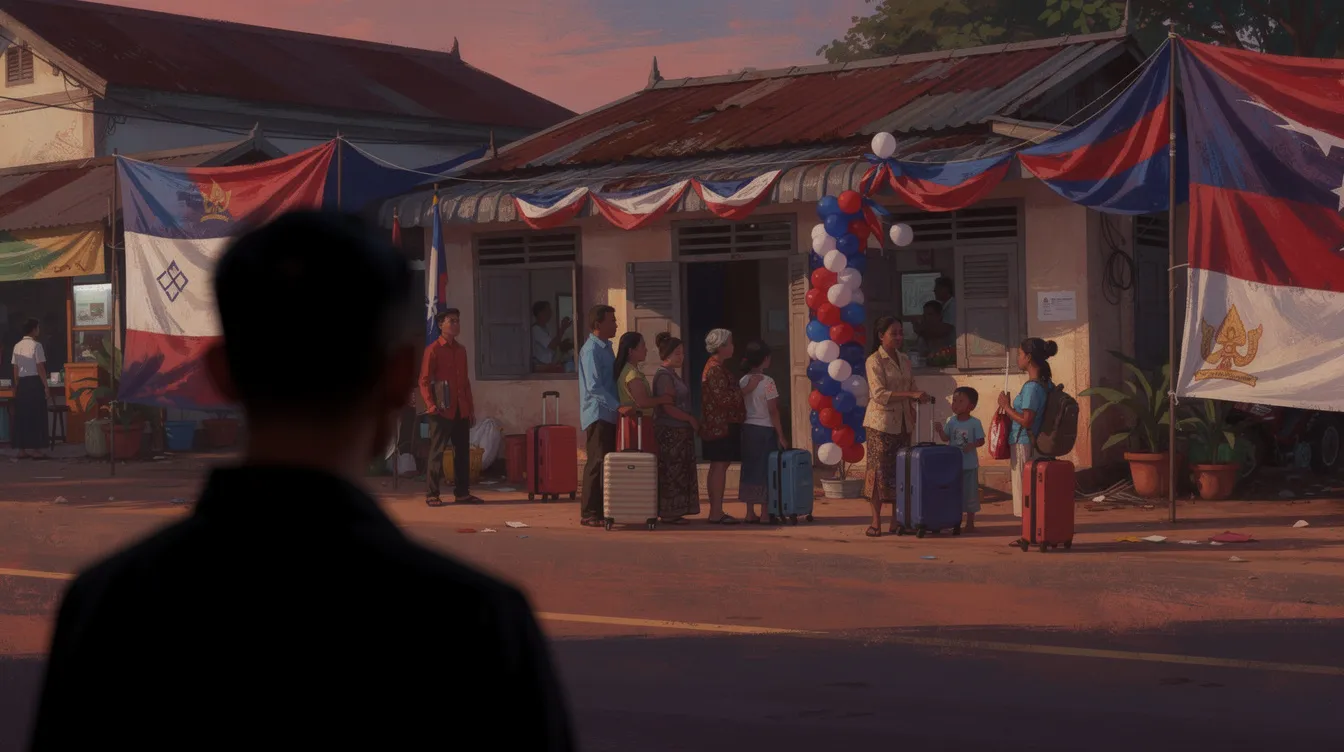
PHNOM PENH — Cambodia is preparing to accept Afghan refugees from Qatar at the request of the United States, but significant uncertainties remain regarding their protection and future resettlement options.
Prime Minister Hun Manet has formed a 16-member working group, chaired by Ministry of Interior Secretary of State Keat Chantharith, to manage the temporary reception of these refugees. According to a decision signed on July 6 and made public in a Royal Gazette on September 23, the group will coordinate with the U.S. Embassy in Phnom Penh to facilitate the arrival of the refugees, as well as oversee their accommodation, security, safety, health, and general well-being during their stay.
Ear Sophal, an associate professor at the Thunderbird School of Global Management at Arizona State University, said Cambodia’s decision was another sign that Phnom Penh and Washington were finding areas where they could work together as their bilateral relationship improves.
According to Cambodianess, more than 1,100 Afghan refugees currently remain at the As Sayliyah camp in Qatar. Qatar has asked the United States to relocate them by September. However, it remains unclear how many will ultimately be sent to Cambodia. The working group will also assist any refugees seeking resettlement in third countries by coordinating with foreign diplomatic missions in Cambodia.
While Cambodian media outlets have emphasized the humanitarian aspect of this decision, they also highlight the potential for strengthening diplomatic ties with the U.S. Ear Sophal noted that this decision reflects a strengthening relationship between Phnom Penh and Washington, suggesting that it serves as a platform for further cooperation.
LICADHO operations director Am Sam Ath described the move as a positive step in humanitarian assistance. He said Cambodia would have a responsibility to provide the refugees with accommodation and security and to ensure they were treated fairly and with dignity.
In contrast, some Cambodian outlets have raised concerns about the adequacy of resources and infrastructure to support these refugees. They argue that while the government is eager to showcase its commitment to humanitarian efforts, it must also address the practical challenges of integration and support for the incoming population.
Despite the potential benefits of this arrangement, Sophal cautioned against viewing it merely as an act of humanitarian cooperation. He expressed concern about whether relocating the Afghans from Qatar to Cambodia would genuinely enhance their protection and improve their chances of finding permanent homes. He highlighted that these people have already experienced displacement and uncertainty, noting the need for careful consideration of their interests.
As Cambodia prepares to welcome these refugees, the government faces the challenge of balancing its international commitments with the immediate needs of the Afghan individuals and families seeking safety and stability. The differing tones in the coverage reflect a broader tension between the desire to present a positive image internationally and the realities faced by the refugees upon arrival. Indonesian coverage stressed the humanitarian aspects and diplomatic benefits, while Cambodian outlets framed it as a potential strain on resources amid economic challenges.