Cambodia
Cambodia's Foreign Exchange Reserves Decline but Remain Robust
Despite a decline in foreign exchange reserves in the first half of 2026, Cambodia's financial position remains strong, covering eight months of imports.
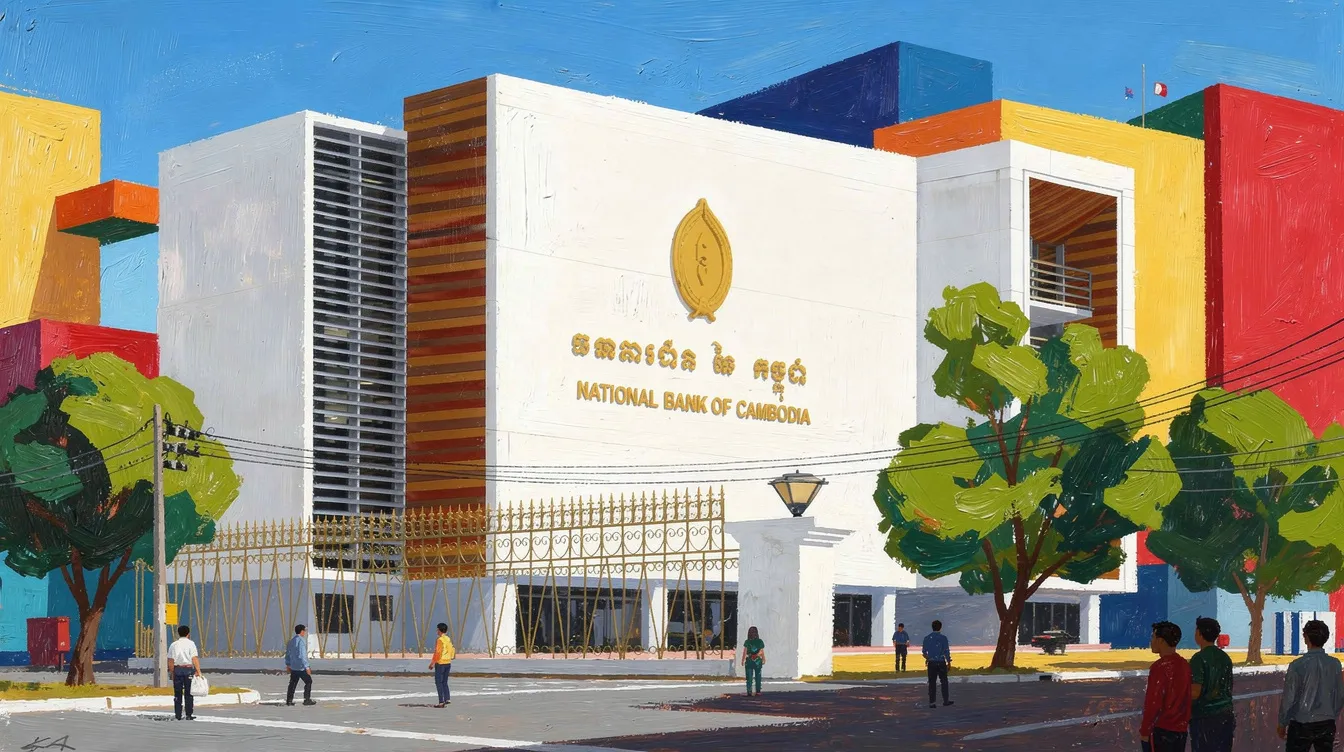
Cambodia's foreign exchange reserves have decreased in the first half of 2026, according to the latest report from the National Bank of Cambodia (NBC). The reserves now stand at $25.3 billion, down from $27.5 billion at the end of 2025. This decline is attributed to lower deposits and changes in reserve holdings within the banking sector, as well as fluctuations in gold prices.
Despite this reduction, the NBC emphasized that the current level of reserves is sufficient to cover eight months of imports, significantly exceeding the international benchmark of three months for developing economies. This strong reserve position is crucial for Cambodia, where the economy is heavily reliant on global trade and the U.S. dollar plays a dominant role in the financial system.
Officials from the NBC stated that the decrease in reserves does not indicate any pressure on Cambodia's external accounts or balance of payments. Instead, they highlighted that the reserves continue to provide a substantial buffer against potential external economic shocks, thereby supporting confidence in the country’s dollarized economy. The NBC noted that the current reserve level remains comfortably above international benchmarks, reinforcing Cambodia’s ability to withstand potential external shocks.
“The current reserve level remains comfortably above international benchmarks, reinforcing Cambodia’s ability to withstand potential external shocks.”National Bank of Cambodia, official statement
Historically, Cambodia has seen significant reserve accumulation, reaching a peak of $27.5 billion in late 2025. Maintaining large foreign exchange reserves is vital for financing imports, stabilizing the exchange rate, and enhancing investor confidence, especially during periods of global financial volatility.
In a progressive move, the NBC has also started investing a portion of the reserves in sustainable assets. As of mid-2026, 6.3% of the reserves were allocated to green bonds and other environmental, social, and governance (ESG)-related investments. This shift reflects the central bank's commitment to aligning its reserve management with global investment trends while ensuring capital preservation.
As Cambodia navigates global economic uncertainties, the robust status of its foreign exchange reserves provides policymakers with the necessary flexibility to respond to potential challenges, including those arising from regional tensions or market fluctuations.