ASEAN
Pacific Tuna Transshipment: New Study Challenges the Case for High-Seas Transfers
A six-year analysis found that a suitable Pacific Island port was at least as close as the cargo vessel in 41% of transfers examined, ahead of a regional fisheries commission meeting in Vanuatu.
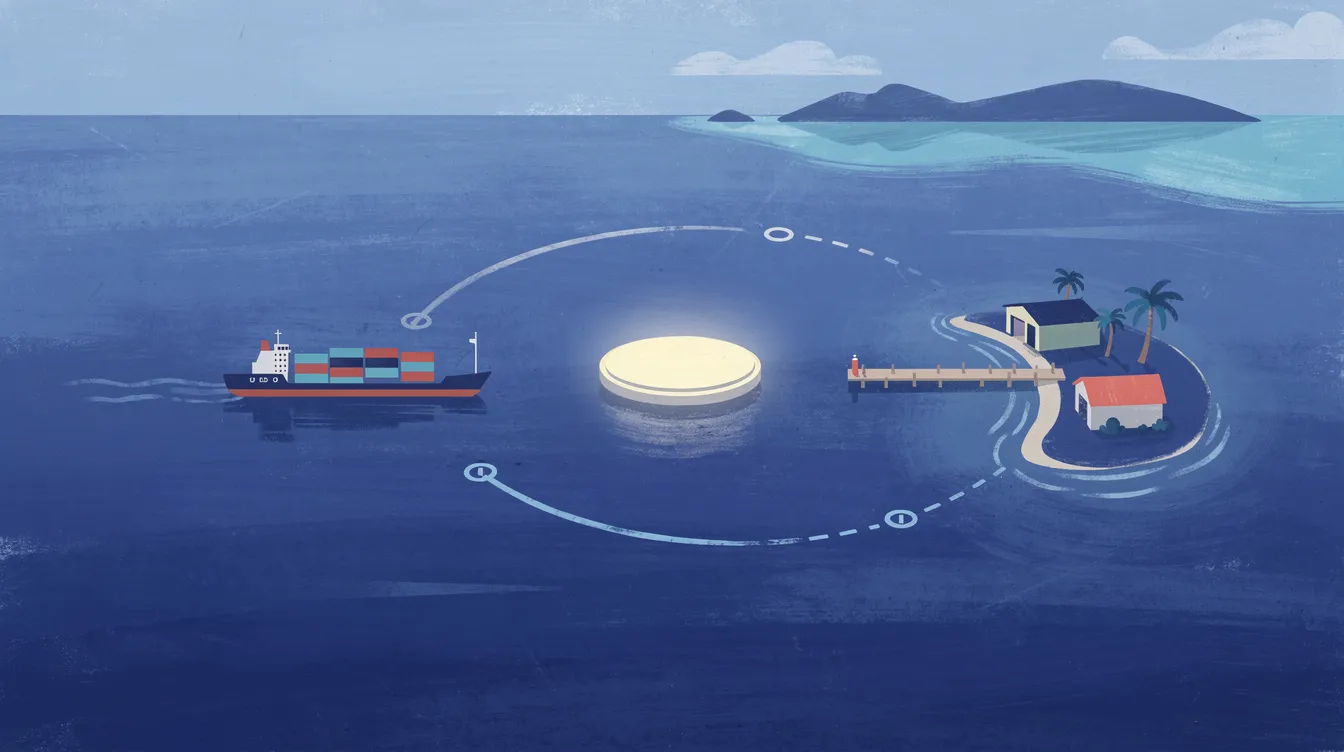
As the Western and Central Pacific Fisheries Commission prepares to meet in Port Vila, Vanuatu, a new study is challenging a longstanding industry argument for transferring tuna catches between vessels on the open ocean: that returning to port is impracticable. The analysis, by the Marshall Islands Marine Resources Authority (MIMRA) and Starboard Maritime Intelligence, found that a suitable port was at least as close as the cargo vessel in 41% of the transfers where the researchers could compare distances.
The study examined 1,644 transfers involving six cargo vessels and 486 fishing vessels from May 2020 to March 2026. In about one case in five, a fishing vessel travelled more than three times as far to meet a cargo vessel as it would have to reach a suitable port, according to the analysis. Five of the eight areas where transfers were concentrated were within 550 nautical miles of ports in Pacific Island countries.
Transshipment is the transfer of fish from a fishing vessel to a refrigerated carrier. At sea, it can allow fishing vessels to continue operating without returning to port. The Commission manages tuna and other highly migratory fish stocks across the Western and Central Pacific, a fishery that the source report says supplies more than half of the tuna consumed globally. Its members are due to meet in Port Vila from 30 November to 5 December.
Rules leave room for national decisions
Under the Commission’s rules, high-seas transshipment by longline vessels is prohibited unless a member determines that unloading in port is impracticable. Guidelines for making that determination were due in 2012 but have not been adopted, the study says. In their absence, members make the assessment for their own fleets without a shared evidentiary standard or independent verification.
The Commission adopted its core transshipment rules in 2009. According to the Commission’s website, a working group formed in 2019 was tasked with reviewing and strengthening the region’s controls. The MIMRA-Starboard analysis says efforts to reform the measure have not reached consensus in 17 years.
The study also examined fuel costs, another argument used to support at-sea transfers. It found no measurable relationship between fuel prices and transfer locations during the six-year period, and no shift towards greater use of ports. Instead, the authors said, transfer patterns followed commercial links involving vessel flags and ownership.
“The Western and Central Pacific fishery depends on Pacific waters. Every transfer that takes place on the high seas is a port call that does not happen, and an opportunity for oversight that is lost.”Glen Joseph, director, Marshall Islands Marine Resources Authority
Dr Moritz Lehmann, a senior oceanographer at Starboard and a lead author, said fishing vessels routinely cover long distances: fishing grounds can be more than 8,000 nautical miles from home ports, while vessels travel about 4,500 nautical miles during active fishing. He argued that these distances weaken the claim that a port call is necessarily an impracticable detour.
Oversight and crew welfare
When vessels do not call at port, authorities have fewer opportunities to inspect working conditions and crew members have fewer chances to seek help, the report says. It cites an International Labour Organization estimate that at least 128,000 fishers worldwide were in forced labour aboard fishing vessels in 2021. That global estimate does not establish conditions on any particular vessel in the study.
Carriers can also deliver fuel, provisions and replacement crew at sea, allowing fishing vessels to remain away from port for extended periods. The report describes one voyage covering 22,155 nautical miles over 148 days without a port call. It also warns that combining catches from multiple vessels in one cargo hold can make it harder for authorities and buyers to verify where and how fish was caught, creating opportunities for illegal catch to be laundered.
Glen Joseph, MIMRA’s director, said Pacific Island countries were not seeking to end transshipment, but wanted transfers brought into ports or national waters, where they could be monitored. Sharks Pacific, an advocacy organisation, has called on Commission members to end high-seas transfers by longline vessels. Its recommendations include requiring evidence for exemptions, creating an independent observer programme for high-seas transfers and requiring vessels to return to port at regular intervals.
The United States, the European Union and France have expressed support for ending high-seas transshipment, according to the study’s accompanying release. The Commission’s members will consider the issue at the Port Vila meeting; the available material does not establish what decision they will reach.