ASEAN
Cambodia's Sihanoukville Port Sees Surge in Cargo Amid Thai Border Closure
The closure of the Thai-Cambodian border has redirected trade flows to Cambodia's Sihanoukville Port, but rising shipping costs are raising concerns among businesses.
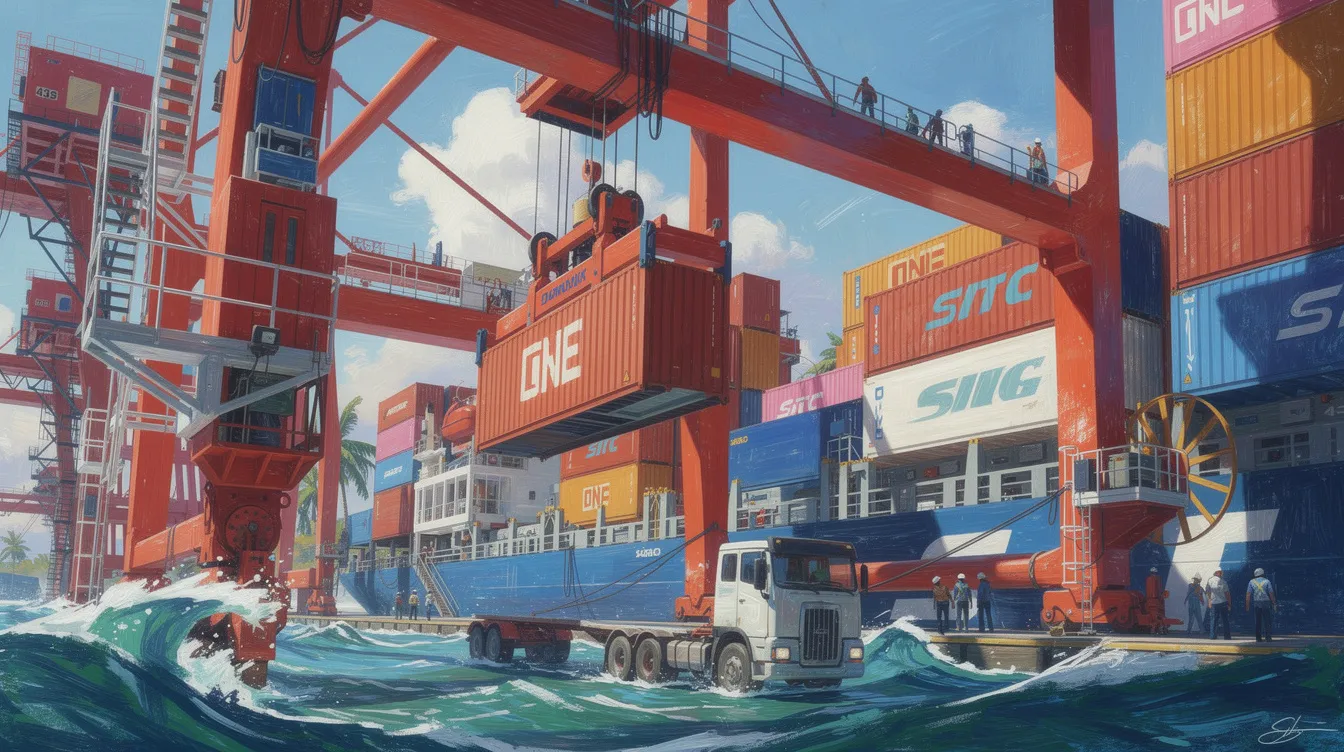
PHNOM PENH -- Following the closure of the Thai-Cambodian border due to escalating political tensions, Cambodia's Sihanoukville Port has emerged as a vital maritime hub for trade, especially for Japanese multinationals previously reliant on overland routes. The port has reported a significant increase in cargo volume, as companies seek alternative means to transport goods into Thailand.
According to reports, the Thai government closed 18 border crossings, including key points like Aranyaprathet, which accounted for a substantial portion of trade valued at approximately 174.53 billion baht (around $5 billion) in 2024. This closure has severely impacted the flow of goods, particularly agricultural products and raw materials essential for industries on both sides of the border, as noted by Thai officials.
“The closure of the border has forced us to rethink our logistics strategies, but the rising costs of maritime transport are a significant concern.”Japanese business representative
With land routes effectively blocked, businesses have turned to maritime transport, leading to a surge in activity at Sihanoukville Port. However, the increased reliance on shipping has also resulted in higher logistics costs, prompting some companies to call for a reduction in port fees. Japanese firms, in particular, have expressed concerns over the rising costs associated with maritime shipping, which they argue could affect their competitiveness in the region.
Local reports indicate that the port is experiencing delays, with trucks waiting up to three days to load containers onto ships bound for Thailand. This has raised operational challenges for businesses, as longer transit times can disrupt supply chains. One logistics operator noted that the time taken for shipments has increased from one to two days via land to two to three days via sea, which significantly impacts profitability.
In response to the border closure, the Cambodian government has been exploring ways to enhance the operational capacity of Sihanoukville Port to accommodate the increased demand. However, businesses are still grappling with the implications of the higher shipping costs, which could lead to increased prices for consumers.
“The delays at the port are impacting our supply chain, and we hope to see some relief on shipping fees soon.”Logistics operator
As the situation evolves, analysts have indicated that the long-term effects of the border closure may alter trade dynamics in the region. The Thai government has indicated it may reconsider its border policies, but any changes will depend on the political climate and ongoing negotiations between the two nations.
In the meantime, the Cambodian economy, which has been heavily reliant on trade with Thailand, faces uncertainty as it adapts to these new challenges. The Ministry of Commerce has stated that it is working to mitigate the impacts on small and medium-sized enterprises (SMEs) affected by the border disruptions.