Vietnam
Vietnam's Parliament Approves First Nuclear Power Project
The Ninh Thuan 1 project, to be built by Rosatom, aims to enhance Vietnam's energy security amid rising electricity demand.
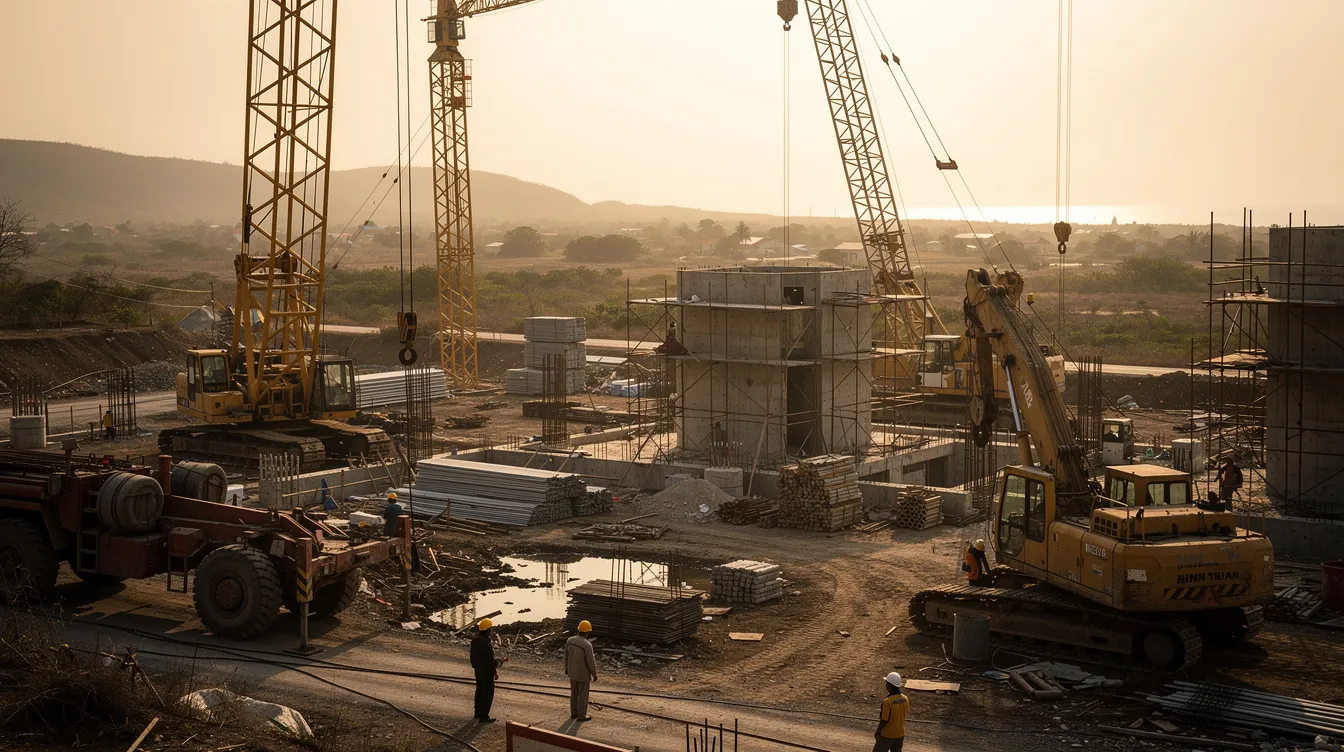
HANOI — Vietnam's National Assembly has taken a significant step towards enhancing the country's energy security by approving an agreement for its first nuclear power project, Ninh Thuan 1. Lawmakers recognized the urgent need to address the surging electricity demand in one of Asia's fastest-growing economies.
The Ninh Thuan 1 project, which will be developed by Russia's state nuclear energy corporation Rosatom, is designed to generate 2.4 gigawatts (GW) of electricity. This development aligns with Vietnam's broader strategy to diversify its energy sources and reduce dependency on fossil fuels, which have been the mainstay of its energy supply.
Vietnam has been exploring nuclear energy since 2009, but plans were put on hold in 2016 due to safety concerns and financial constraints. However, with electricity consumption projected to increase significantly in the coming years, the government has revived its nuclear ambitions. According to the Ministry of Industry and Trade, electricity demand is expected to grow by 10% annually, necessitating the development of new energy sources.
Analysts have noted that the Ninh Thuan project could play a crucial role in stabilizing the national grid and ensuring a reliable energy supply. Nguyen Hoang, an energy analyst at the Vietnam Institute of Energy, remarked that the approval of this nuclear project represents a pivotal moment for Vietnam's energy landscape as it seeks to balance growth with sustainability.
The government has emphasized the need for immediate action to address the energy shortfall, with officials stating that the Ninh Thuan 1 project is expected to come online by 2030. This timeline reflects the urgency to enhance energy infrastructure to support the country's economic growth.
As Vietnam continues to develop its energy sector, the Ninh Thuan 1 project is seen as a critical component of a larger strategy that includes investments in renewable energy and infrastructure. The government is also actively seeking international partnerships to bolster its energy capabilities, as highlighted in previous reports by InsideASEAN.